


 Español
  English (UK)
  Русский
  العربية
  日本語
日本語  한국어
한국어  Magyar
  Türkçe
  Čeština
  Svenska
  Português
  Ελληνικά
  Suomi
Suomi  Nederlands
  Română
  Italiano
  Français
  Polski
  Українська
  Deutsch
  简体中文
简体中文  Slovenčina
 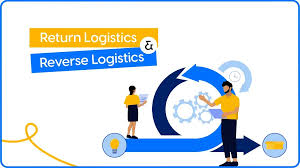 Mastering Reverse Logistics: The Journey of Returns and Waste in Worldwide Shipping">

Exploring the Hidden Journey of Reverse Logistics
When we think about global shipping, the spotlight usually shines on products moving smoothly from warehouses straight to customers’ doorsteps. But what about the trip products take when they’re sent back, damaged, or ready for recycling? That’s where reverse logistics steps into the picture — a crucial yet often overlooked side of the supply chain! It’s a behind-the-scenes powerhouse managing returns, repairs, and waste, making sure that goods don’t just disappear but find a second life or are responsibly disposed of.
What Exactly Is Reverse Logistics?
While the typical mental image of shipping is goods moving forward from seller to buyer, reverse logistics flips this around. It involves the movement of products from the customer back to the seller or manufacturer. This process kicks in when items are returned because they’re unwanted, defective, or their packaging needs proper disposal or recycling. In the modern e-commerce era, reverse logistics grows hand-in-hand with increasing return rates and mounting product waste. Handling this influx efficiently isn’t just smart — it’s necessary.
Key Components of Reverse Logistics:
- Returns management and processing
- Repair and refurbishment of products
- Recycling and responsible disposal
- Waste reduction through reuse initiatives
Why Are Returns a Growing Challenge?
Online shopping has revolutionized how we buy — one click, and voilà, the desired product is on its way. But that ease also breeds easy returns. From fashion items to electronics and even furniture, free or simple returns have become the norm, increasing the volume of reverse shipments dramatically.
Companies face a balancing act in reducing needless returns without turning away customers who expect hassle-free exchanges. Below are some smart tactics businesses employ to tackle this challenge head-on:
Effective Strategies to Cut Returns and Improve Reverse Logistics
| Estrategia | How It Helps |
|---|---|
| Strong Packaging | Minimizes damage during transit, reducing the need for returns. |
| Accurate Size Guides & Virtual Try-Ons | Helps customers pick the right product the first time. |
| Tracking Return Reasons | Identifies common issues, enabling targeted improvements. |
| Training Staff for Quick Inspections | Speeds up return processing and improves customer service. |
| Clear Customer Return Instructions | Reduces confusion and delays, smoothing the process. |
| Partnering with Reliable Logistics Providers | Ensures efficient handling and transport of returns. |
| Recycling & Refurbishment Options | Keeps waste out of landfills and adds value through reuse. |
The Environmental and Financial Stakes of Reverse Logistics
Beyond simply processing returns, reverse logistics plays a pivotal role in sustainability efforts. By refurbishing or recycling products and packaging, companies reduce waste, save raw materials, and lower greenhouse gas emissions. This not only helps the planet but also shrinks operational costs by turning “waste” into value. For logistics professionals, understanding and integrating reverse flows means designing transport networks that accommodate backhauls and circular shipments — truly closing the supply chain loop.
Reverse Logistics and Its Role in Green Shipping
- Minimizes landfill waste by recycling materials like cardboard, glass, and plastics.
- Supports refurbishment programs that extend product lifespans.
- Encourages smart packaging innovations to reduce disposal needs.
- Optimizes transport routes to reduce fuel use on return trips.
The Takeaway: Why Every Business Should Embrace Reverse Logistics
Reverse logistics isn’t simply a cost center or headache to be dealt with reluctantly. It’s a strategic opportunity to boost environmental responsibility, enhance customer satisfaction, and improve overall supply chain agility. As the volume of online orders and returns balloons, the need for seamless, efficient, and sustainable reverse logistics solutions will only intensify. For freight and cargo transport, this means adapting to bidirectional flows, managing bulky and delicate returns, and integrating reverse pathways into delivery planning.
In the Spotlight: Personal Experience Beats All Reviews
Reading all the information and reviews about reverse logistics is valuable, but nothing quite compares to experiencing the process firsthand. Whether you’re a small business or a large retailer, having access to reliable, affordable global cargo transportation services makes all the difference in managing your returns and waste shipments. Platforms like GetTransport.com offer a wealth of options for shipping parcels, bulky goods, or even vehicles, with transparent, competitive pricing worldwide. This kind of service gives you the freedom to make smart, cost-effective logistics decisions without the guesswork — it’s truly a game changer when you want to keep your operations flowing smoothly.
Reserve ahora and explore the best offers at GetTransport.com.
How This Shapes the Future of Global Logistics
While reverse logistics may feel like a niche piece in a massive global transport puzzle, its influence is steadily growing. More businesses recognize that efficient management of returns and waste is critical to system-wide sustainability and cost control. However, on a global scale, its impact is more specialized than sweeping. Still, for platforms like GetTransport.com, staying in tune with these evolving shipping trends is key to delivering reliable, flexible solutions that meet modern freight and cargo needs.
Empiece a planificar su próxima entrega y asegure su carga con GetTransport.com.
Wrapping It Up: The Reverse Logistics Revolution
In summary, reverse logistics is the backbone of managing the increasing tide of returns and waste in the global market. It encompasses product returns, recycling, refurbishing, and environmentally conscious disposal — all vital for sustainable commerce and efficient logistics chains. Innovating around reverse flows helps reduce costs, minimize environmental footprints, and meet rising consumer expectations for hassle-free returns. Whether handling parcels, pallets, or bulky shipments, the ability to manage reverse logistics efficiently is a must-have in today’s freight and supply chain operations.
When it comes to finding global transport solutions that can handle everything from office moves and home relocations to delivering large, bulky items, GetTransport.com stands out. Their transparent pricing, wide range of transport options, and dedication to simplifying complex logistics align perfectly with the demands of modern reverse logistics. For anyone navigating the tricky waters of returns and waste shipments, partnering with professionals like GetTransport.com offers a reliable, cost-effective lifeline in a fast-paced global market.