


 Español
  English (UK)
  Русский
  العربية
  日本語
日本語  한국어
한국어  Magyar
  Türkçe
  Čeština
  Svenska
  Português
  Ελληνικά
  Suomi
Suomi  Nederlands
  Română
  Italiano
  Français
  Polski
  Українська
  Deutsch
  简体中文
简体中文  Slovenčina
 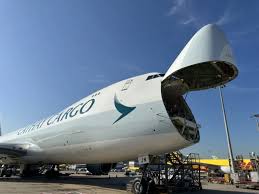 Hong Kong’s Airfreight Sector Faces Shifts Amid E-commerce Changes and Regional Competition">

Hong Kong’s Airfreight Industry: A New Chapter
The bustling airfreight terminals in Hong Kong are undergoing significant transformation as cross-border e-commerce volumes face a slowdown, particularly on transpacific routes. This evolving situation stems from strategic changes by major Chinese online platforms such as Alibaba, Taobao, Temu, and Shein, which have moved toward cutting airfreight costs to stay competitive and adapt to new market realities.
Why Are Volumes Declining?
The main culprit behind the dip in shipments to destinations like the US and Europe is recent policy shifts. The cancellation of the US de minimis rule—previously allowing low-value packages to enter without hefty duties—has turned sending small parcels by air into a costly affair. This regulatory tweak has meant that some cargo, once flowing steadily through Hong Kong’s airfreight hubs, is now subject to increased expenses, dampening the volume of exports.
This policy impact has reconfigured the logistics landscape, creating underutilized cargo terminal capacity and making scheduling somewhat unpredictable. The ripple effect? Hong Kong’s longstanding role as a transshipment hub faces new competition and challenges.
Regional Dynamics: The Rise of Mainland Competition
Airports in neighboring mainland cities—including Guangzhou, Shenzhen, and Macau—are stepping up their game. These facilities are increasingly offering direct freighter flights for cargo, bypassing the traditional need to route shipments through Hong Kong. This changes the dynamics for Hong Kong, which must now fight for its slice of the logistics pie in the Greater Bay Area.
While Hong Kong still maintains a reputation for reliability and quality service, especially for e-commerce freight, the competitive pressure is palpable. Mainland airports often offer more attractive pricing, forcing Hong Kong’s operators to emphasize their strengths in experienced handling and faster turnaround times.
Intra-Asia Trade: A Bright Spot
Despite challenges with transpacific routes, intra-Asia e-commerce shipments remain robust. This region continues to show growth potential, serving as a crucial lifeline for Hong Kong’s airfreight industry. The intra-Asia segment helps to soften the blow from falling volumes toward the West, though it is no silver bullet for the broader issues at hand.
The Role of Digital Tools in Cargo Handling
Efficiency is key when cargo volumes fluctuate, and Hong Kong’s terminals are embracing digital transformation to keep things moving smoothly. Tools like electronic Air Waybills (e-AWB), electronic Cargo Security Declarations (e-CSD), and cargo community systems enhance transparency and speed in the supply chain. These digital processes trim paperwork and improve shipment visibility, critical for managing global logistics where every minute counts.
Yet, the full suite of automation with artificial intelligence or robotics has yet to arrive on the scene. Terminals have adopted computer automation, but more advanced technologies remain on the horizon.
Rising Costs and Tightening Security
Security regulations enforced by Hong Kong’s Civil Aviation Department and collaborative efforts with airlines have tightened in recent times. While these measures are essential for safety, they contribute to higher operational costs and less flexibility in cargo movements. As a result, Hong Kong’s airfreight sector experiences increased pressure to innovate and efficiently differentiate its services.
Challenges and Strategies for Hong Kong’s Airfreight
| Challenge | Impacto | Response Strategies |
|---|---|---|
| Declining volumes on transpacific routes | Underused terminals, revenue loss | Diversify markets; focus on intra-Asia growth |
| Policy changes increasing shipping costs | Reduced export shipments to US/Europe | Optimize cargo mix and pricing strategies |
| Mainland airports offering cheaper, direct freight | Loss of transshipment business | Highlight quality, reliability, and speed |
| Increased security regulations | Higher operational costs & schedule rigidity | Implement efficient digital handling systems |
Perspective on Service Differentiation
Hong Kong’s airfreight competitors may be more cost-effective, but they haven’t yet matched the service and reliability standards that Hong Kong handlers provide. In a tightly contested market, maintaining a competitive edge means blending operational agility with investment in technology and customer-centric service delivery. Simply put, it’s about being the dependable partner in a world full of logistics uncertainties.
Looking Ahead: The Role of Innovation and Adaptation
The evolving airfreight scene in Hong Kong demands a continuous blend of innovation and strategic adaptation. While digital tools have helped tighten cargo handling processes, the sector is just at the brink of integrating AI or robotic assistance, which could dramatically boost efficiency and reduce errors in future.
Meanwhile, policy evolution, competitive pricing pressures, and security mandates keep the stakes high. Hong Kong’s airfreight terminals need to leverage their expertise, nurture operational flexibility, and embrace technology to sustain a stronghold in international logistics.
Why Logistics Professionals Should Care
For logistics and freight forwarding companies, these shifts in Hong Kong’s airfreight environment are more than just headlines—they directly influence global shipment routing, transit times, and shipping costs. Understanding the changing dynamics aids in planning shipments strategically, particularly for bulky or high-value parcels where reliability and speed are crucial.
Making Your Logistics Decisions Easier with GetTransport.com
Of course, knowing the facts and forecasts is one thing, but experiencing the service firsthand says it all. While Hong Kong works through its airfreight transitions, shippers can tap into platforms like GetTransport.com, which offers competitive and reliable cargo transportation solutions worldwide. Whether it’s office relocations, home moves, or the shipment of bulky goods, the platform serves as a bridge to convenient, transparent freight services, aligning perfectly with the evolving needs of global logistics.
GetTransport.com helps connect users with affordable freight options across a spectrum of logistics requirements — from parcel dispatch to large container haulage — empowering customers to navigate the complex freight landscape without breaking the bank. Thanks to its user-friendly system and transparent pricing, it’s a solid ally in an era where thoughtful logistics strategy is vital.
Key Highlights and Final Thoughts
El sector de transporte aéreo de Hong Kong se encuentra en una encrucijada, moldeado por cambios de política, intensa competencia regional y un impulso hacia la transformación digital. La disminución de los envíos de comercio electrónico transpacífico subraya cómo los factores externos repercuten a través de las cadenas logísticas. Sin embargo, la solidez perdurable del comercio intraasia y la adopción de herramientas que aumentan la eficiencia ofrecen un rayo de esperanza.
Incluso las reseñas de mercado más perspicaces y los análisis francos no pueden reemplazar el valor de la experiencia personal. Plataformas como GetTransport.com permiten a empresas e individuos explorar las mejores opciones de envío de carga a tarifas transparentes y competitivas, asegurando decisiones más inteligentes sin costos inesperados ni decepciones. Esta conveniencia y amplia elección facilitan la adaptación al cambiante panorama logístico discutido aquí.
Empiece a planificar su próxima entrega y asegure su carga con GetTransport.com.
Resumen
El panorama del transporte aéreo de Hong Kong está navegando a través de una compleja combinación de volúmenes decrecientes de comercio electrónico transfronterizo, nuevos desafíos regulatorios y una intensa competencia de los aeropuertos de China continental. A pesar de los contratiempos en las rutas transpacíficas debido al aumento de los costos de envío y los cambios en las políticas, el comercio intraasia continúa manteniéndose firme. Las herramientas digitales están mejorando la eficiencia en el manejo de carga, aunque la automatización impulsada por la IA sigue siendo una frontera inexplorada. El aumento de los costos de seguridad y la competencia subrayan la necesidad de que Hong Kong enfatice la calidad del servicio y la agilidad operativa. Comprender estas dinámicas es esencial para las empresas involucradas en el transporte, el envío y la distribución global. Mientras tanto, plataformas como GetTransport.com simplifican la logística al ofrecer soluciones de carga y envío confiables, asequibles y flexibles adaptadas a todo, desde carga voluminosa hasta reubicación internacional, convirtiéndolas en un socio indispensable para navegar por el mundo en evolución del transporte y el transitismo.