


 Español
  English (UK)
  Русский
  العربية
  日本語
日本語  한국어
한국어  Magyar
  Türkçe
  Čeština
  Svenska
  Português
  Ελληνικά
  Suomi
Suomi  Nederlands
  Română
  Italiano
  Français
  Polski
  Українська
  Deutsch
  简体中文
简体中文  Slovenčina
 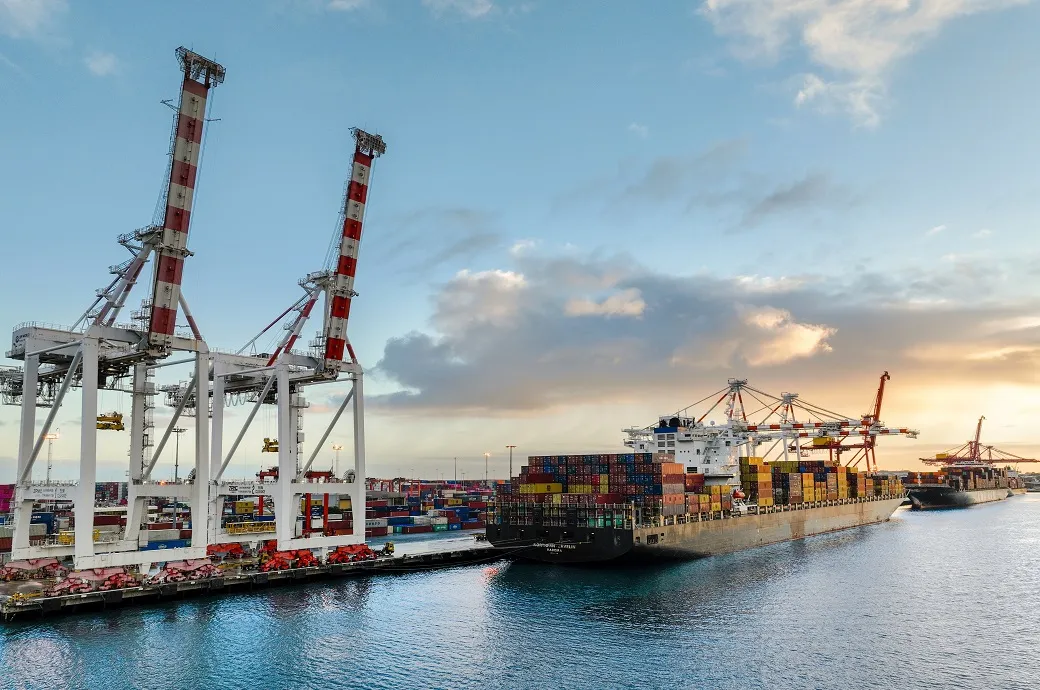 Fuerte crecimiento esperado para el volumen de carga de contenedores en India en FY26 a pesar de los desafíos del mercado">

Forecasting an 8% Surge in Indian Container Cargo by FY26
Indian container cargo is expected to rebound with an 8% growth rate in fiscal year 2025-26 (FY26), reaching around 380 million metric tonnes. This optimistic outlook is largely due to ongoing capacity expansions, a boost in transshipment activities, and the anticipated completion of the Western Dedicated Freight Corridor. These factors collectively create a promising environment for container movement across India’s ports and rail networks.
Drivers Behind the Robust Growth
- Capacity Expansion: India’s ports and freight infrastructure continue to develop, accommodating larger volumes and enhancing throughput capabilities.
- Western Dedicated Freight Corridor Completion: This critical rail freight corridor will streamline cargo transport efficiency, reducing transit times and boosting inland connectivity.
- Rising Transshipment Activity: India’s strategic position is encouraging increased handling of transit cargo, supporting port volume growth.
Despite these positives, growth momentum is slightly tempered by some external and internal challenges. For instance, the container volume growth is predicted to moderate by 100 to 150 basis points, influenced partly by trade dynamics such as US tariffs on certain Indian export sectors.
Challenges Tempering Container Sector Expansion
Several factors are putting the brakes on India’s container cargo growth trajectory:
- Volatility in Shipping Costs: The Shanghai Containerised Freight Index (SCFI) fluctuations have led to unpredictable shipping rates, making cost planning difficult for logistics operators.
- Rising Insurance Expenses: With more stringent risk assessments and increased incidents, insurance premiums for cargo shipments have surged, adding to operational costs.
- Increased Transit Times: Supply chain complexities and occasional disruptions cause longer delivery schedules, affecting supply reliability.
On top of this, geopolitical frictions have had direct effects on cargo flows. For instance, cargo volumes along Gujarat’s coast witnessed a 6% decline in May 2025, attributed to regional tensions. These real-world events showcase how sensitive trade lanes and port throughput can be to exogenous shocks.
Impact of US Tariffs on Indian Exports
The United States has implemented a 50% tariff on select Indian imports, impacting key export sectors such as home textiles, specialty chemicals, gems and jewellery, readymade garments, shrimp products, automobile parts, and engineering components. Though the US accounts for about 20% of India’s exports, its share in sea-based trade excluding electronics remains closer to 5%. This suggests the impact on port cargo volumes is somewhat contained but notable within affected sectors.
Table: Export Sector Exposure to US Tariffs
| Sector | Estimated Impact | Notas |
|---|---|---|
| Home Textiles | Alta | Major US market exposure |
| Speciality Chemicals | Moderado-Alto | Competes with other Asian exporters |
| Gems and Jewellery | Moderado | Depends on luxury market demand |
| Readymade Garments | Moderado | Potential for diversion to other markets |
| Shrimp Products | Moderado | Export-dependent sector |
| Automobile & Engineering Components | Moderado | Varies by component types |
Western Dedicated Freight Corridor: A Game Changer for Logistics
One of the most anticipated infrastructure developments is the completion of the Western Dedicated Freight Corridor (WDFC). This high-capacity freight railway line is primed to revolutionize cargo movement by providing a faster, more efficient alternative to existing routes burdened by mixed passenger-freight traffic. When fully operational, it is expected to reduce transit times significantly, lower transportation costs, and improve supply chain reliability.
From a logistics perspective, this corridor will enable smoother freight forwarding, efficient container dispatch, and better integration with sea ports, enabling bulk cargo and container shipments to flow seamlessly across regions.
Transshipment and Capacity: Two Sides of the Same Coin
India’s ports have been nurturing transshipment hubs that cater to cargo in transit between international destinations. This rising transshipment activity complements capacity expansion efforts, as ports are better equipped with state-of-the-art container handling and warehousing facilities.
More cargo passing through these hubs offers ample opportunities for freight forwarders, haulers, and logistics firms to optimize routing and delivery solutions, not least by leveraging services like GetTransport.com. The platform’s ability to connect shippers with affordable, reliable cargo transportation globally means handling office and home moves, vehicle shipments, and bulky freight becomes a walk in the park.
Looking Ahead: Industry Trends and Logistics Implications
While the Indian container cargo sector is on track for solid growth, volatility in shipping markets and ongoing tariff disputes underscore the need for adaptable, cost-effective logistics solutions. Growing infrastructure like the WDFC is a boon, supporting the freight ecosystem by enhancing connectivity and throughput. However, stakeholders in shipping, freight forwarding, and cargo delivery must prepare for fluctuating costs and geopolitical ripples.
Key Highlights to Remember
- 8% projected growth in container volumes by FY26, driven by capacity and infrastructure advances.
- US tariffs hitting specific export sectors, moderately affecting port volumes and export patterns.
- Desafíos regionales transitorios, como las disminuciones del transporte de mercancías costeras vinculadas a las tensiones geopolíticas.
- El Corredor de Transporte de Carga Dedicado Occidental promete ganancias de eficiencia, subrayando el papel de la infraestructura en la transformación de la logística.
- La volatilidad de los costos de envío y las primas de seguros representan factores de advertencia para los planificadores.
Al final del día, ninguna cantidad de análisis expertos o reseñas puede sustituir la experiencia de primera mano al navegar por las opciones de envío o flete. Plataformas como GetTransport.com permiten a los usuarios comparar una amplia gama de servicios de transporte de carga asequibles y transparentes a nivel mundial. Ya sea que se trate de manejo de flete, distribución, reubicación o envíos voluminosos, ofrece una solución optimizada donde la rentabilidad y la fiabilidad van de la mano. Reserve su viaje ahora en GetTransport.com para tomar decisiones logísticas inteligentes y sin estrés.
Previsión de las perspectivas para la logística global
Aunque el crecimiento de contenedores en India tiene una importancia más localizada en el panorama global del flete, todavía forma una parte importante del mosaico internacional de la logística. La expansión de las capacidades y las mejoras de la infraestructura en India contribuyen positivamente a la fluidez del transporte marítimo y a la resiliencia de la cadena de suministro. GetTransport.com se mantiene al tanto de estos cambios para garantizar que los usuarios tengan acceso a las opciones de transporte de carga más actuales y eficientes disponibles. Comience a planificar su próximo envío y asegure su carga con GetTransport.com.
Conclusión
La industria de carga de contenedores de la India está a punto de lograr un progreso sólido, respaldada por proyectos estratégicos de infraestructura y condiciones comerciales en evolución. Si bien desafíos como las presiones arancelarias y los costos de envío variables crean vientos en contra, las perspectivas generales de crecimiento siguen siendo saludables. El Corredor de Carga Dedicado Occidental se erige como un eje transformador para el sector, prometiendo elevar el rendimiento de la carga, la velocidad y la fiabilidad.
Para proveedores de logística, transporte y envíos, este escenario en evolución exige agilidad y una gestión inteligente de la cadena de suministro. Servicios como GetTransport.com simplifican el proceso al reunir una red global de mudanzas, mensajería y transportistas, asegurando un despacho, transporte y entrega eficientes de contenedores, paquetes, vehículos y productos voluminosos. De esta manera, ya sea trasladando mercancías a través de ciudades o continentes, los expedidores pueden confiar en un socio de confianza para navegar por la logística compleja con facilidad y eficiencia de costos.