


 Español
  English (UK)
  Русский
  العربية
  日本語
日本語  한국어
한국어  Magyar
  Türkçe
  Čeština
  Svenska
  Português
  Ελληνικά
  Suomi
Suomi  Nederlands
  Română
  Italiano
  Français
  Polski
  Українська
  Deutsch
  简体中文
简体中文  Slovenčina
  JM Smucker Halts Coffee Price Hikes After U.S. Tariffs on Green Coffee Are Removed">

Why JM Smucker Reversed Its Coffee Price Hikes
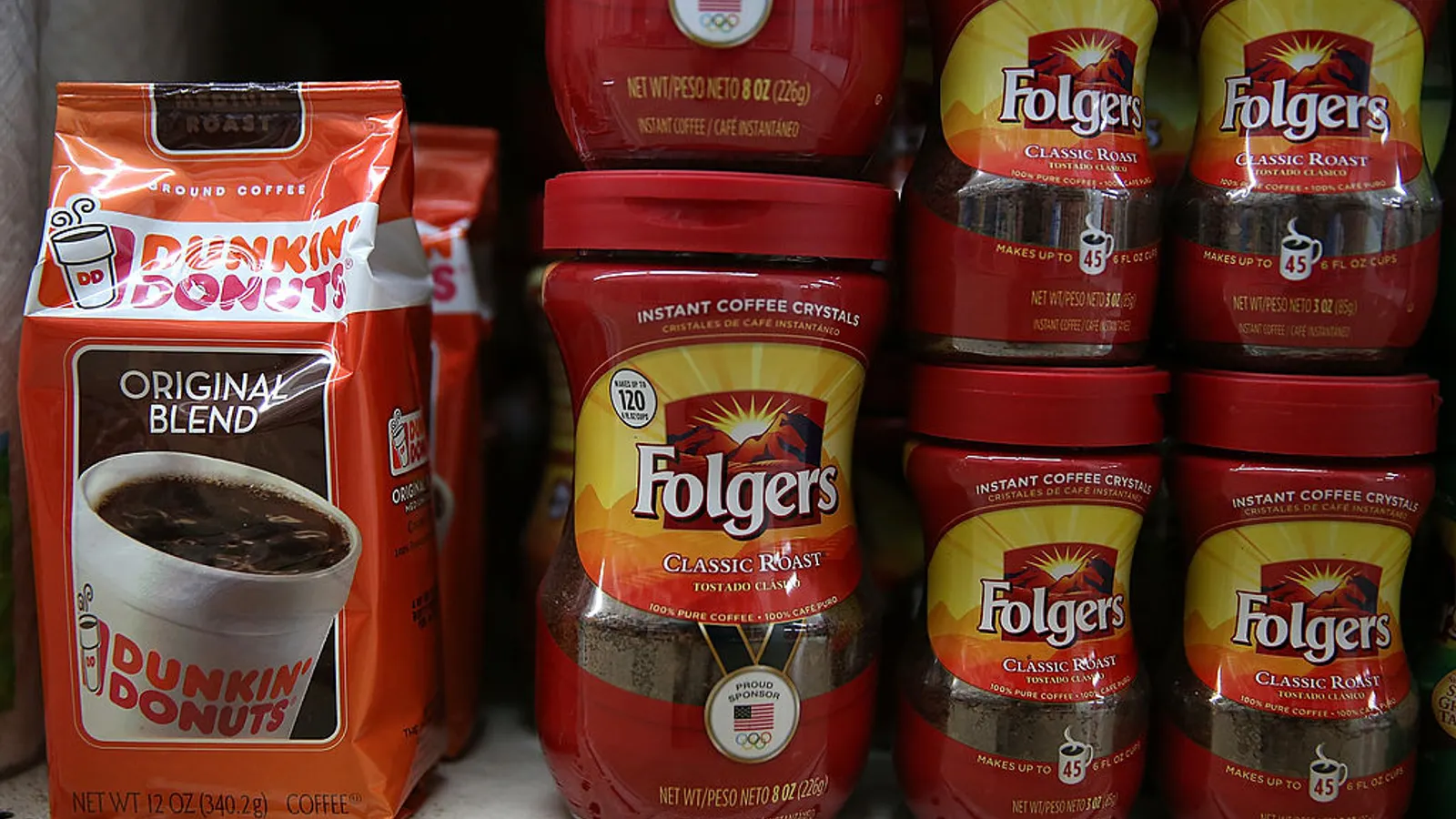
The lifting of tariffs on green coffee beans has led JM Smucker, a major player in the food and beverage sector owning names like Dunkin’ Donuts and Folgers, to scrap plans for further raising coffee prices this fiscal year. Instead of passing added costs onto consumers for a third time, the company will absorb $75 million in previously incurred tariff-related expenses. This strategic move comes amid expectations for a more stable coffee commodity market going forward after recent shifts in U.S. trade policy.
Tariffs and Their Impact on Coffee Pricing
Coffee beans, primarily imported from countries like Brazil and Vietnam, had been subjected to hefty tariffs—50% and 20% respectively. These charges initially forced JM Smucker to increase coffee prices twice to offset soaring costs. However, despite these hikes, consumer demand remained resilient, challenging the usual economic wisdom that price increases dampen demand.
The subsequent exemption of green coffee from tariffs, announced in late November by the U.S. administration, triggered a reassessment of further pricing increases. CEO Mark Smucker pointed out that removing this financial barrier should allow coffee prices and supply chain dynamics to “normalize over time,” returning to the patterns historically seen in this market.
Economic Effects of Tariff Changes on Coffee Supply and Demand
The company anticipates a 16% year-over-year revenue boost from coffee sales for its current fiscal year ending in April, despite a slight dip—6% less— in volume compared to original projections. This revenue rise reflects the strong consumer appetite unaffected by the prior price surges.
On the financial front, absorbing the tariff costs without further price increases will shave earnings per share by about $0.50 for this fiscal year, according to CFO Tucker Marshall. The expectation is that with the tariffs gone, these negative financial impacts will not repeat in the coming year.
Table: Summary of Coffee Tariffs and Pricing Impact
| Aspecto | Detalles |
|---|---|
| Green Coffee Tariffs | 50% for Brazil, 20% for Vietnam (lifted in Nov 2025) |
| Price Increase Attempts | Two hikes earlier this year to offset tariffs |
| Consumer Demand | Remained strong despite prior price hikes |
| Impacto financiero | $75 million tariff cost absorbed; $0.50 EPS reduction expected this year |
| Revenue Forecast | 16% increase expected year over year |
Broader Coffee Market Context and Price Trends
JM Smucker is not alone—other coffee importers have raised prices due to surging sourcing costs. According to recent consumer price data, roasted and instant coffee prices rose 18.9% and 21.7%, respectively, year over year. The lifting of tariffs, therefore, represents a welcome easing that could influence shipping costs and supply chains globally, as agricultural commodities like coffee constitute significant freight volumes.
Implicaciones para la logística y el transporte
For logistics professionals, the tariff removal signals favorable changes along the coffee supply chain. Fewer tariff hurdles mean potentially smoother cross-border freight operations and reduced financial risks relating to import levies. This could translate into better freight rates and more predictable shipment schedules—a welcome development in an industry often juggling tariffs, delays, and fluctuating commodity prices.
Global cargo and freight forwarders may see shifts in demand patterns, impacting the distribution networks for coffee shipments. Particularly for international haulage involving large volumes of green coffee beans, the tariff lift could reduce overall costs and increase shipment frequency.
Resumen de las principales conclusiones
- Tariff removal on green coffee has caused JM Smucker to absorb previous costs instead of hiking prices again.
- Strong consumer demand continues in spite of earlier price increases.
- The company’s financials will take a short-term hit, but future earnings projections look more optimistic.
- Other coffee importers have faced similar cost pressures, reflected in significant coffee price increases overall.
- Transportation and logistics chains connected to coffee might benefit due to reduced trade barriers and more stable commodity flow.
Why Personal Experience Matters and How GetTransport.com Fits In
While market reports and financial forecasts provide valuable insights, there’s no substitute for firsthand experience when navigating cargo transportation decisions. On platforms like GetTransport.com, customers can browse global shipping options with transparent pricing and reliable service records. This empowers shippers to make well-informed choices without stretching their budgets or dealing with unexpected logistics headaches.
Whether relocating an office, moving bulky goods like furniture, or shipping vehicles, GetTransport.com offers flexible and cost-effective solutions worldwide. The ease of finding tailored freight options is a genuine asset when the market shifts unpredictably, as we’ve seen with the coffee trade recently. Get the best offers GetTransport.com.
Mirando hacia el futuro: La perspectiva logística
Though the recent tariff changes on coffee might not cause seismic shifts at the global logistics scale, they do illustrate the nuanced landscape that freight companies and cargo shippers must constantly navigate. At GetTransport.com, staying in tune with these dynamic shifts ensures the platform can offer relevant, timely options for freight forwarding, shipment, and delivery. Start planning your next delivery and secure your cargo with GetTransport.com.
Reflexiones finales
The withdrawal of tariffs on green coffee beans leads JM Smucker to backtrack on additional price hikes, opting to absorb substantial cost burdens instead. Consumer demand defies the typical squeeze from price increases, highlighting the resilient nature of coffee markets. For the broader logistics and freight industry, this trade policy shift portends smoother import processes and opportunities for cost efficiencies in hauling and distribution.
From house moves to container shipments and bulky freight, platforms like GetTransport.com simplify the intricate web of international transport, making global relocation, parcel forwarding, and reliable courier services accessible and affordable. In tapping into these resources, shippers find themselves better equipped to respond to fluctuating market conditions while optimizing their logistics strategy in an ever-changing world. Reliable, global, and convenient—GetTransport.com stands as a partner in successful cargo and freight journeys.