


 Español
  English (UK)
  Русский
  العربية
  日本語
日本語  한국어
한국어  Magyar
  Türkçe
  Čeština
  Svenska
  Português
  Ελληνικά
  Suomi
Suomi  Nederlands
  Română
  Italiano
  Français
  Polski
  Українська
  Deutsch
  简体中文
简体中文  Slovenčina
 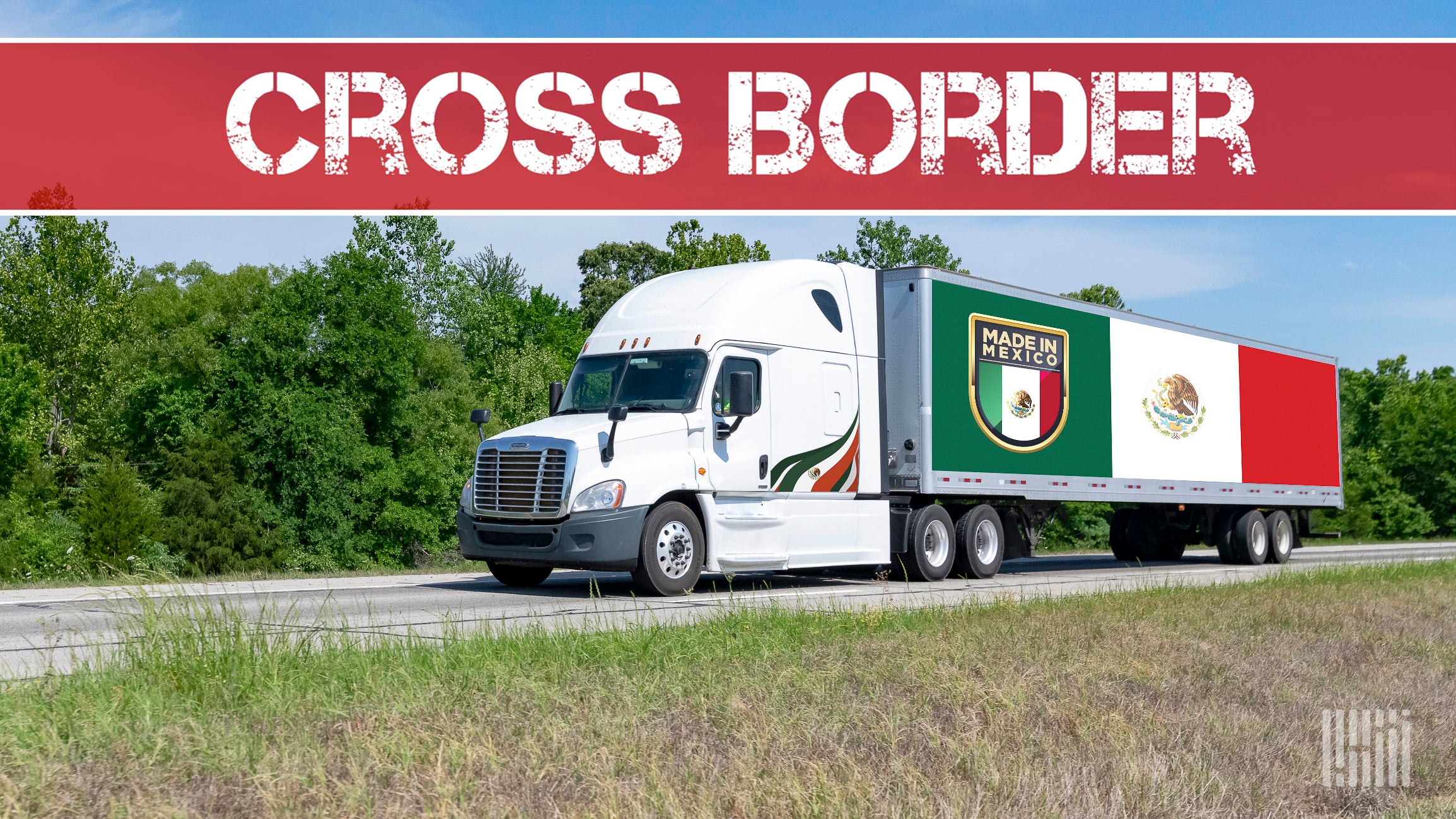 How Mexico’s Upcoming Customs Overhaul Could Change Cross-Border Manufacturing and Freight Dynamics">

Mexico’s Customs Reform: What’s on the Horizon?
The customs landscape in Mexico is about to experience one of its most significant shakeups in years, set to kick off in 2026. This overhaul is designed to tighten enforcement and boost compliance, especially impacting importers, customs brokers, and manufacturers deeply involved in cross-border trade with the United States.
Increased Compliance and Stricter Enforcement
The crux of the reform revolves around cracking down on duty evasion and ensuring that imports—particularly those critical to Mexico’s manufacturing sector—are honestly declared and properly processed. This means a heavier load for agentes de aduanas who are integral to the import process in Mexico. Unlike the United States, where importers can file their own customs entries, commercial imports in Mexico must go through these licensed brokers, who are about to face serious new responsibilities.
With the new rules, brokers will share legal risks alongside importers when it comes to undervaluation, misclassification, or false declarations of goods. Reporting suspicious transactions to authorities becomes mandatory. Notably, penalties could extend to jail time and multimillion-dollar fines, marking a shift that’s bound to tighten the screws on compliance.
Impact on Mexico’s Manufacturing Hub
The reform lands squarely on manufacturers participating in Mexico’s IMMEX program, which facilitates temporary imports used in maquiladora (border manufacturing) operations. Stricter controls will demand closer alignment of temporary imports with actual production and export activities. Should companies lose their IMMEX authorization, they will have a mere 60 days to resolve inventory issues, either by regularizing or exporting goods.
While not every manufacturer will feel the squeeze the same way, this will undoubtedly add to the compliance costs and potentially increase production expenses. However, when it comes to the logistics side—especially trucking and freight movement across the border—the reforms might not cause drastic operational changes but could influence cost dynamics.
Wider Implications for U.S.-Mexico Trade Under the USMCA Framework
Mexico’s customs overhaul also ties into broader regional trade strategies as the United States, Mexico, and Canada gear up for the next USMCA joint review. Key topics on the table include rules of origin, duty-free thresholds, and sector-specific provisions, all focused on strengthening the North American trading bloc.
This enforcement boost aims to level the playing field for producers on both sides of the border, helping to curb illicit imports and creating more predictable trade conditions within the bloc.
Transport Capacity Services Expands in Monterrey to Support Trade Growth
In alignment with the growing U.S.-Mexico freight flow, Transport Capacity Services (TCS) has strategically opened an office in Monterrey, one of Mexico’s largest industrial hubs. This move enhances their ability to manage complex, high-volume cross-border shipments more efficiently.
With approximately 80% of Mexico’s exports destined for the U.S., TCS’s Monterrey presence highlights how logistics providers are adapting to the expanding trade environment despite global tariff uncertainties. Their offerings include cross-border and domestic freight solutions using certified carriers along with advanced technology for shipment visibility, emphasizing reliability and efficiency.
WeShip Express Moves Headquarters to Austin to Boost Logistics Capabilities
Meanwhile, WeShip Express has relocated its headquarters from Florida to Austin, Texas. The decision taps into Austin’s growing status as a tech and logistics hub, enabling the company to scale its compliance automation, temperature-controlled logistics, and e-commerce fulfillment services.
This relocation is part of a broader trend where logistics and compliance providers position themselves closer to robust talent pools and tech ecosystems to better support complex delivery demands, especially in direct-to-consumer markets.
Table: Key Changes Under Mexico’s 2026 Customs Reform
| Aspecto | Previous Situation | Post-Reform Changes |
|---|---|---|
| Customs Brokers’ Responsibility | Limited joint liability with importers | Joint responsibility for undervaluation, misclassification, false declarations |
| Enforcement | Moderate supervision | Stricter, with mandatory reporting of irregular transactions |
| Penalizaciones | Monetary fines typical | Potentially include jail time and multimillion-dollar fines |
| IMMEX Program Compliance | More flexible inventory control | Tighter alignment with production and export; 60-day rectification window if authorization canceled |
Potential Logistics Ripple Effects
- Higher compliance costs could push up manufacturing expenses in Mexico.
- Trucking and freight movement processes across the U.S.-Mexico border expected to remain mostly stable operationally.
- Increased emphasis on accurate documentation may require more coordination among customs brokers, freight forwarders, and manufacturers.
- Logistics providers like TCS and WeShip Express are positioning themselves to better navigate these shifts with local offices and tech-driven solutions.
Making Sense of the Changes for Your Freight and Logistics Planning
The upcoming customs reforms in Mexico signal a clear message: tighter border controls and enhanced compliance are here to stay. For stakeholders in the cross-border supply chain—whether you’re moving raw materials, finished goods, or components through programs like IMMEX—understanding these new rules is critical to avoid costly disruptions.
While the reforms may not shake up border truck operations drastically, the upward pressure on compliance can translate into increased paperwork, scrutiny, and potentially shipping costs. Companies need to align closely with customs brokers who now bear heavier risks and ensure that shipments meet all regulatory standards.
All in all, these moves aim to create a more level competitive landscape and strengthen trade reliability, which ultimately benefits producers and logistics service providers alike. However, as with any regulatory change, the devil is in the details, and how smoothly the transition unfolds will depend on preparation and adaptability.
Why Personal Experience Matters in the Logistics Puzzle
Even the most detailed reviews and expert analyses can only paint part of the picture when it comes to navigating customs reforms and cross-border shipping. Nothing replaces firsthand experience in understanding how these changes affect day-to-day freight operations.
Thanks to platforms like GetTransport.com, shippers can explore a wide range of cargo transportation options across borders, leveraging affordable prices and transparent service. Whether it’s an office relocation, moving bulky goods, or managing international shipments, reliability and cost-effectiveness combine seamlessly.
From furniture to vehicles, GetTransport.com’s global network is geared to handle diverse freight needs with ease, helping businesses adapt to new compliance demands without breaking the bank. Book your ride today and experience the convenience yourself at GetTransport.com.
Forecasting the Logistics Landscape
While the 2026 customs reforms may not spell a seismic shift for global logistics, especially outside the North American trade corridor, they are undeniably significant for the U.S.-Mexico trade nexus. Enhanced compliance protocols will ripple through the supply chain, influencing production costs and operational dynamics.
GetTransport.com stays ahead by monitoring such developments, ensuring its users have access to the most reliable and cost-efficient cargo transportation services tailored to the evolving trade environment. Start planning your next delivery and secure your cargo with GetTransport.com.
En resumen
Mexico’s 2026 customs reform represents a pivotal step toward stricter trade enforcement and compliance within North America. While increasing responsibilities and penalties for customs brokers and manufacturers may heighten production costs, these measures aim to curb duty evasion and level the playing field for all market participants. The logistics side, especially freight and cross-border trucking operations, is expected to maintain stability, albeit with increased scrutiny.
Companies like Transport Capacity Services and WeShip Express are already positioning themselves strategically in key hubs like Monterrey and Austin to support this growing, evolving trade corridor with advanced services and technology-driven solutions. For businesses looking to navigate these changes smoothly, convenient, reliable, and affordable freight transportation platforms like GetTransport.com offer an ideal partner. Whether relocating offices, shipping pallets, or handling bulky international cargo, GetTransport.com provides transparent and flexible logistics options that meet diverse needs efficiently.