


 Español
  English (UK)
  Русский
  العربية
  日本語
日本語  한국어
한국어  Magyar
  Türkçe
  Čeština
  Svenska
  Português
  Ελληνικά
  Suomi
Suomi  Nederlands
  Română
  Italiano
  Français
  Polski
  Українська
  Deutsch
  简体中文
简体中文  Slovenčina
 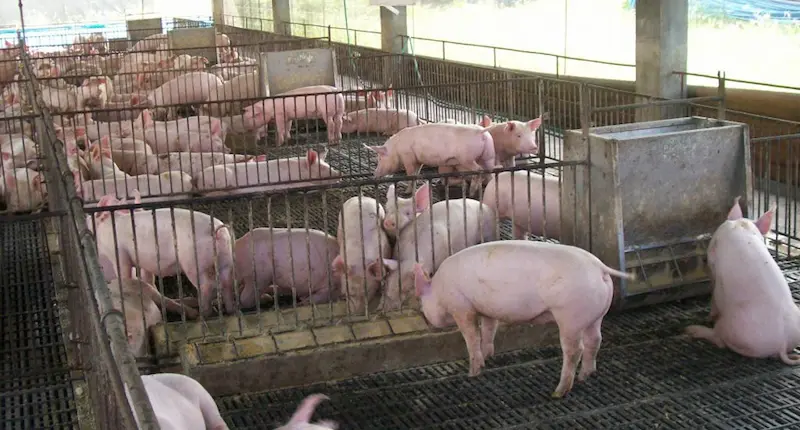 Cómo las normas actualizadas de Filipinas sobre las importaciones de carne de cerdo y porcino ayudan a contener la peste porcina africana">

Protecting Pork Production: The Philippines’ Latest Moves Against ASF
The Philippines has recently tightened controls on swine and pork imports to shield its livestock industry from African swine fever (ASF), a viral disease that poses a major threat to both animal health and the economy. These measures aim to bolster defenses against ASF while still maintaining a steady flow of pork supplies necessary for food security.
What’s New in the Import Regulations?
The Department of Agriculture (DA) has introduced updated policies under Administrative Circular No. 12, which incorporates the concept of ASF regionalization. This approach permits the recognition of specific ASF-free zones within exporting countries, rather than taking a blanket ban approach across whole nations. It aligns Philippine safeguards with the standards set by the World Organisation for Animal Health (WOAH), allowing more nuanced and science-backed trading.
Prior to this, import decisions tended to rely on country-wide assessments, which could be overly restrictive or insufficiently precise, causing challenges for importers and domestic producers alike. The new framework ensures that only pork and live swine originating from verified ASF-free areas can be imported, effectively minimizing risks without unnecessarily shutting off trade.
How Does ASF Regionalization Work?
- Only countries accredited by the DA can apply for ASF regionalization recognition.
- The exporting country’s veterinary authority must submit detailed surveillance reports and descriptions of ASF-free zones.
- The Bureau of Animal Industry (BAI) conducts a thorough six-month evaluation to verify compliance with domestic and international health standards.
- Approved regions are covered by a bilateral agreement, setting animal health and import conditions, along with health certificates for shipments.
- Both countries’ Chief Veterinary Officers must sign off on this agreement, after which the DA formalizes it with a Memorandum Order.
- Regular annual reports must be submitted by exporting countries to maintain accreditation.
Strict Conditions on Imported Swine and Pork Products
Imported live swine must come from ASF-free regions without signs of the disease. Transport routes must avoid restricted zones. For pork products, guidelines include transportation in sealed vehicles directly to approved slaughterhouses and completion of ante- and post-mortem inspections aligned with WOAH protocols.
This level of scrutiny is designed to keep local farms safe from any accidental ASF introduction, which can devastate pig populations and disrupt supply chains.
Balancing Food Security and Trade
According to Agriculture Secretary Francisco Tiu Laurel Jr., the new rules strike a careful balance—on one hand protecting local producers from ASF outbreaks, and on the other, enabling moderated, safe trade to maintain seguridad alimentaria. This dual goal is central to preserving market stability and consumer supply without hampering international commerce.
This is particularly relevant because the Philippines imports pork and live swine to supplement domestic production, so a sound import system is critical.
Review and Adjustment: Keeping Policies Relevant
The circular mandates a comprehensive review of these guidelines after two years, ensuring their effectiveness and relevance as conditions evolve. Any older rules inconsistent with the new circular are either repealed or amended.
Logistical Considerations and The Bigger Picture
These enhancements on import regulations ripple into the logistics and transport sectors as well. Transporters, freight forwarders, and customs agents must adapt to the new requirements, which include handling sealed vehicles, managing health certificates, and obeying strict routing for swine shipments.
Handling bulky and sensitive freight like live animals or perishable pork requires precise coordination, oversight, and compliance with health standards. The need for streamlined customs processing and transparent documentation becomes essential to avoid delays and maintain shipment integrity.
Providers such as GetTransport.com come into play here, offering reliable, global cargo transport solutions tailored for diverse shipping needs. Whether it’s moving live animals, refrigerated pork products, or even bulky freight like furniture during a house move, the platform provides affordable and efficient options that support compliance with evolving regulations.
Table: Summary of Key Points in the Philippines’ ASF Import Policy Update
| Aspecto | Detalles |
|---|---|
| ASF Regionalization | Allows import from accredited ASF-free zones within countries, rather than whole nations |
| Veterinary Oversight | Exporting countries must submit surveillance data; BAI reviews and approves |
| Import Conditions | Live swine must be disease-free; pork transported sealed, inspected at approved facilities |
| Bilateral Agreements | Veterinarians must sign agreements; DA issues formal import orders |
| Review Cycle | Guidelines reassessed every two years to ensure efficacy |
Why This Matters Even Beyond the Philippines
The spread of ASF has been a cautionary tale worldwide, reminding us how animal diseases can threaten not only agriculture but also supply chains and economies. With international dependencies on swine products, countries need smart, flexible policies that protect livestock without creating unnecessary trade barriers.
Taking It to the Next Step with GetTransport.com
While regulations tighten and complexity grows, logistics solutions must keep pace. This is where platforms like GetTransport.com shine, seamlessly connecting shippers with dependable freight services for every cargo type. From the intricate handling of veterinary certificates and sealed transports to the moving of bulky goods, the platform offers a one-stop resource for streamlined dispatch and delivery.
Whether you’re coordinating an office move, transporting large furniture, or shipping palletized cargo internationally, affordable and reliable transportation is just a few clicks away. The platform’s global reach and transparent pricing empower users to make smart logistics choices without the guesswork or high costs.
Personal Experience Beats All Reviews
It’s one thing to read glowing reviews or absorb policy announcements, but nothing quite beats firsthand experience. Through GetTransport.com, you gain access to the broadest selection of shipping options tailored to your needs — all at the best prices worldwide. This transparency and convenience help bypass unnecessary risks or overpayments for your freight needs, making logistics truly effortless. Reserve su viaje ahora en GetTransport.com.
Mirando hacia el futuro: el impacto en la logística global
While these Philippine import updates are highly significant locally, their direct impact on global logistics remains moderate. Still, they serve as a reminder of how evolving health concerns continue to influence international trade and freight movement rules. Staying ahead of such changes is vital for logistics providers and customers alike. As a platform committed to tracking global developments and adapting proactively, GetTransport.com ensures your cargo transportation stays smooth, compliant, and cost-effective. Comience a planificar su próxima entrega y asegure su carga con GetTransport.com.
Conclusión
The updated Philippine rules on swine and pork imports mark a thoughtful evolution in managing the risks of African swine fever. Through ASF regionalization and strict health protocols, local agriculture receives vital protection without unnecessarily curtailing trade. These policies also underscore the intertwined nature of animal health management and logistics coordination, demanding transparent, reliable transport services that comply with new standards.
For businesses and individuals alike, options like GetTransport.com offer hassle-free, global freight solutions that meet these challenges head-on. By combining affordability, extensive network reach, and operational clarity, the platform is perfectly positioned to support your freight, shipment, delivery, and forwarding needs across international boundaries and varied cargo types — from livestock to bulky goods. Efficient logistics, after all, is the bedrock of safe, sustainable commerce.