


 Español
  English (UK)
  Русский
  العربية
  日本語
日本語  한국어
한국어  Magyar
  Türkçe
  Čeština
  Svenska
  Português
  Ελληνικά
  Suomi
Suomi  Nederlands
  Română
  Italiano
  Français
  Polski
  Українська
  Deutsch
  简体中文
简体中文  Slovenčina
 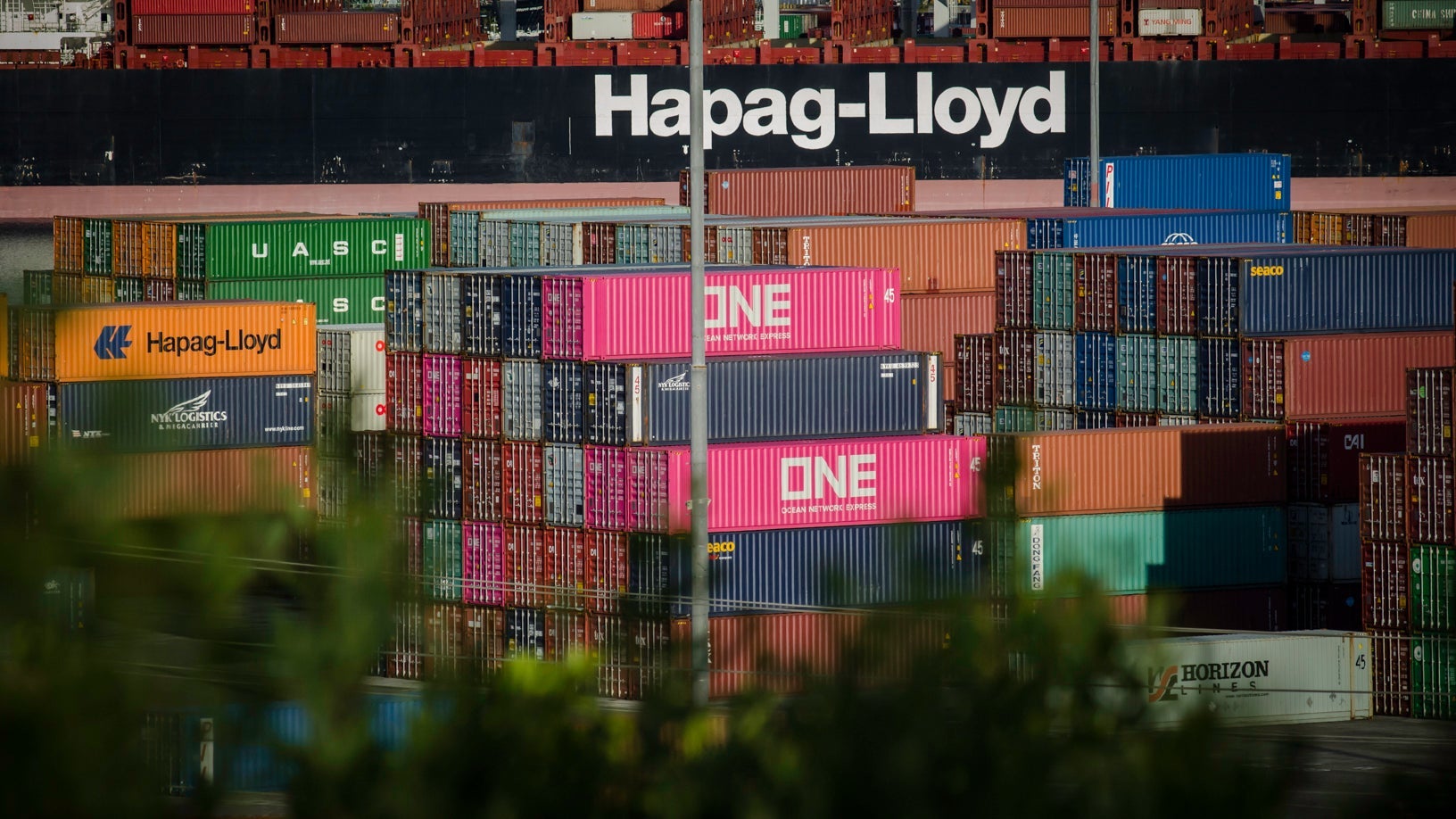 Navigating Recent Trends in Asia-US Container Rates and Their Logistics Impact">

Recent Glimmers in Asia-US Container Shipping Rates
After months of steady decline, container shipping rates from Asia to the United States have witnessed a modest rebound. While this uptick is a breath of fresh air for shippers, it barely chips away at the deeper downturn seen over recent months. The current scenario paints a picture of a market struggling to shake off an oversupply of shipping capacity that continues to outstrip demand along crucial trans-Pacific routes.
Understanding the Bumpy Ride of Container Rates
In the most recent reports, spot container rates on the eastbound trans-Pacific corridor saw a short-term increase of about 7-8%, translating roughly to an additional $140 per forty-foot equivalent unit (FEU). However, this gain contrasts sharply with rates that remain 20-32% below what they were just a month ago, marking a significant correction since November. Essentially, despite these short-lived spikes, overall prices are still navigating choppy waters.
The primary driver behind this persistent softness is a shipping market characterized by a surplus of available capacity. Shipping companies have loaded up on tonnage, but demand for cargo space isn’t keeping pace, resulting in downward pressure on rates. As one analyst put it, carriers’ requests for general rate increases might be walking on thin ice given this mismatch between supply and demand.
West Coast vs. East Coast: Different Stories on the Same Trade Route
Looking closer, nuances emerge between the two key U.S. coastal gateways. On the West Coast, available capacity is holding steady, showing almost no expansion week over week, but cumulatively up about 7% since November. This supply bump, alongside softer demand, weighs heavily on rates despite recent tentative rate increases of about 8%, or $220 per FEU. The East Coast, meanwhile, shows a similar trend with capacity trimmed slightly in the past week, which helped firm up rates somewhat, but overall remains 12% above November levels, keeping prices down.
Global Shipping Lanes Tell Different Tales
While the trans-Pacific rates head south, other trade lanes are cooking up a different story. Routes from the Far East to North Europe and the Mediterranean have seen rates inching upward, driven by stronger demand dynamics and carrier decisions to pull back on capacity. For instance, Far East to Mediterranean trade lanes have enjoyed sustained double-digit rate growth over the past month, reflecting a tighter market.
Potential Impacts from Geopolitical and Regional Developments
The shipping environment is also influenced by broader factors such as developments around strategic maritime chokepoints like the Red Sea and Suez Canal area. Carriers appear to be cautiously ramping back activity in these zones following earlier disruptions, which could be contributing to increasing rates on certain routes. However, widespread large-scale operations have yet to resume fully, indicating a tentative recovery phase.
Table: Asia-US Container Rates in Recent Months
| Periodo de tiempo | Rate Change | Approximate Rate per FEU ($) | Capacity Change |
|---|---|---|---|
| Late November to Early December | Bottoming out | ~ $1,150 | Baseline |
| Last Week (Recent) | +7-8% (~$140-$220 increase) | ~ $1,290 | Flat to slight decrease West Coast; ~-3% East Coast (week over week) |
| One Month Ago | -20% to -32% from recent peak | ~ $2,100 – $1,900 (approx.) | +7% to +12% capacity compared to recent week |
What This Means for Logistics and Freight Forwarding
This nuanced market environment highlights key challenges and opportunities for logistics providers, freight forwarders, and shippers. Oversupply on the Asia-US routes might tempt shippers to negotiate harder on rates or look into alternative shipping options, while rising rates on Europe-related tradelanes call for flexibility and strategic planning.
For companies managing large-scale shipments or bulky items, timing and route selection become critical. Choosing when and how to move cargo, be it through direct container shipments, partial loads, or multimodal transport, can affect costs and delivery times significantly. Providers such as GetTransport.com specialize in facilitating such decisions by offering transparent, competitive pricing and global reach. Whether it’s a house move, vehicle forwarding, or heavy freight shipment, having a solid, cost-effective transportation partner can make all the difference.
Key Points in the Current Container Rate Landscape
- Recent rate rebounds are minor flickers against a backdrop of ongoing rate declines;
- Oversupply of shipping capacity continues to suppress prices on key trans-Pacific routes;
- Europe-bound shipping lanes show strength due to demand and planned capacity adjustments;
- Regional events around critical waterways like the Red Sea influence carrier strategies and rate dynamics.
Personal Experience Beats All Reviews
Insights drawn from data and expert analyses are invaluable, but nothing compares to firsthand experience in managing cargo shipments. Reviews and market updates provide guidance, yet the real test lies in navigating live shipments through fluctuating markets and logistics challenges.
Platforms like GetTransport.com empower shippers to tap into a worldwide network of cargo transportation options affordably and reliably. This democratizes access to international freight services for individuals and businesses alike, enabling informed decisions without overpaying or facing disappointments. With ease of use and transparent pricing, it’s a game-changer for global shipping needs. ¡Reserve hoy mismo su transporte de carga con GetTransport.com!
Logistics Outlook: Staying Ahead of Market Shifts
While the recent uptick in Asia-US container rates is unlikely to dramatically reshape global logistics on its own, it serves as a reminder of the market’s volatility and the importance of adaptability in freight operations. Oversupply remains a dominant theme, keeping rate pressures alive for the foreseeable future on major trans-Pacific routes.
GetTransport.com is committed to staying in sync with these shifts, supporting clients with flexible, cost-effective solutions that address the realities of global transport. For anyone planning their next shipment, whether it involves container freight, parcel delivery, or moving bulky goods like furniture and vehicles, this platform offers a clear advantage.
Conclusión
The recent developments in container shipping rates between Asia and the U.S. reflect a complex interplay of supply, demand, and external factors shaping the global freight market. While minor recent rate increases offer hope, significant overall declines driven by excess capacity persist, especially on key trans-Pacific routes. Meanwhile, other trading corridors, particularly those to Europe and the Mediterranean, experience rising rates buoyed by stronger demand and strategic capacity cuts.
For logistics operations, these trends underline the need for strategic planning and adaptable shipping approaches. Utilizing platforms like GetTransport.com can simplify this complexity, providing reliable, affordable, and transparent options for international cargo transport. Whether undertaking relocation, large freight haulage, or smaller shipments, harnessing such services ensures efficient, hassle-free logistics tailored to today’s dynamic transportation environment.