


 Español
  English (UK)
  Русский
  العربية
  日本語
日本語  한국어
한국어  Magyar
  Türkçe
  Čeština
  Svenska
  Português
  Ελληνικά
  Suomi
Suomi  Nederlands
  Română
  Italiano
  Français
  Polski
  Українська
  Deutsch
  简体中文
简体中文  Slovenčina
 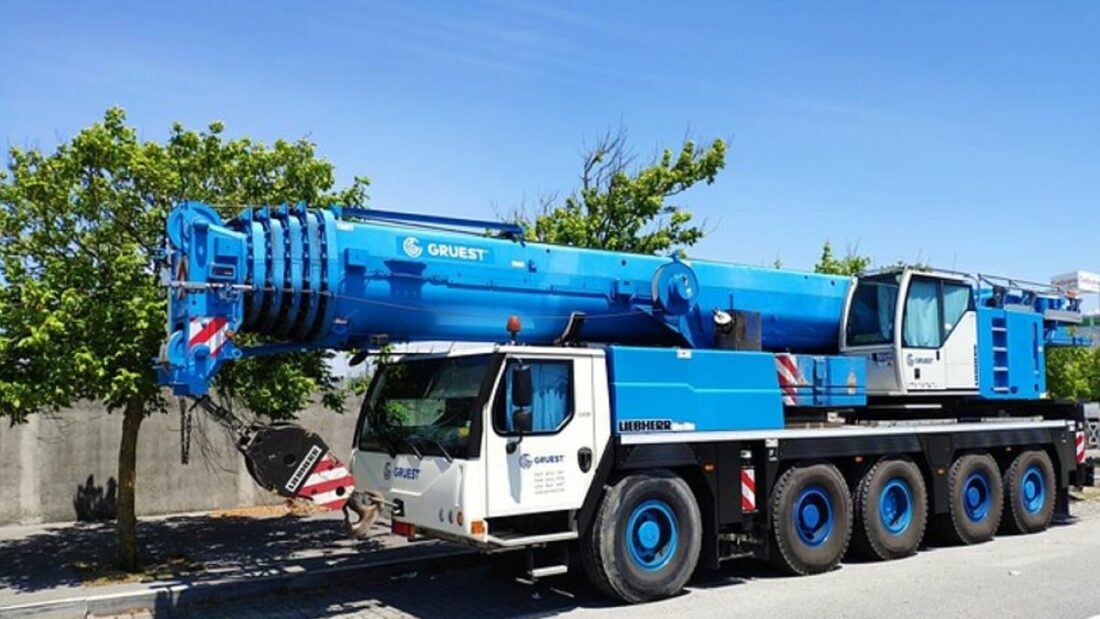 How Unions and Employers Are Advocating for Reduced Retirement Age for Mobile Crane Drivers">

Joint Effort to Reduce Retirement Age for Mobile Crane Drivers
Unions and employer groups have recently come together to formally request a reduction in retirement age coefficients specifically tailored for professional drivers of self-propelled mobile cranes. This collaborative move aims to address health and workforce sustainability concerns within this demanding profession.
The Request and Its Legal Framework
The joint application, submitted to the Directorate General for Social Security Regulation under Article 206 of the General Social Security Law and Royal Decree 402/2025, represents a pivotal step in acknowledging the physical toll associated with crane operation. This initiative is backed by prominent unions as well as the National Association of Public Service Crane Rental Companies (ANAGRUAL).
Understanding the Challenge: A Profession Hard to Fill
The professional drivers of mobile cranes face a unique set of challenges that make recruitment and retention increasingly difficult:
- Growing scarcity of drivers willing to face the demanding work conditions.
- An aging workforce with extensive driving careers and direct health implications.
- Grueling work environment includes extreme fatigue, long hours, night shifts, physical and mental stress, as well as high accident rates — all of which become tougher with age.
That the sector itself openly recognizes these difficulties and supports earlier retirement for existing drivers highlights the seriousness and urgency of the issue.
Health and Safety as a Non-Negotiable Priority
At the heart of this agreement lies the unwavering principle that the health and safety of crane operators must come first. Expecting workers to sustain the demanding duties of mobile crane operation without acknowledging the associated wear-and-tear is not only unrealistic but unfair. This stance insists that the industry must protect the well-being of its workforce rather than pushing drivers beyond safe limits.
Why this Alliance Matters
This collaboration between labor unions and employers serves two critical purposes:
- Strengthening the procedural legitimacy for governmental assessment and potential approval of reduced retirement age.
- Shining a spotlight on the reality that the profession is physically draining and losing appeal among younger generations.
Two Decades of Advocacy
This is not a sudden demand but the culmination of over 20 years of persistence by trade unions to have the difficulty, hazard, and unhealthiness of mobile crane driving officially recognized. The goal is to enact reduced retirement coefficients so drivers can retire earlier without penalties, in line with other demanding occupations.
Beyond Retirement: A Matter of Occupational Health
These coefficient reductions aren’t a handout—they embody occupational health measures and professional justice. Recognizing them means accepting that decades of physical and psychological strain justify an earlier exit from active work:
- Requesting that people with decades of accumulated fatigue, high-risk exposure, and intense physical/mental workloads continue working until the standard retirement age is plainly unreasonable.
- Ensuring the future of the crane driving sector involves improving working conditions and respecting health, rather than squeezing more years out of current workers.
Próximos pasos para la aplicación
The union’s goals include:
- Fast-tracking the assessment and approval process by the Social Security Directorate.
- Official recognition and adoption of reduced retirement age coefficients for crane drivers.
- Guaranteeing the protections apply strictly to those actively engaged in professional crane driving under the appropriate classification codes for road goods transport.
Implicaciones para el sector del transporte y la logística
This development sheds light on a broader challenge in the transport sector: how to care for an aging workforce facing physically and mentally challenging roles. Mobile crane operators play a key role in cargo handling, construction logistics, and heavy-lift transport — all foundational elements of the logistics chain.
By addressing their retirement age and working conditions, the industry ensures continuity and safety in operations critical to efficient freight transportation and large equipment handling. This can indirectly improve reliability, reduce accident rates, and encourage new talent to step into roles essential for transport and logistics.
Resumen de los puntos clave
| Aspecto | Detalles |
|---|---|
| Stakeholders involved | Unions (UGT, CCOO) and ANAGRUAL employers |
| Legal basis | Article 206 General Social Security Law, RD 402/2025 |
| Reasons behind | Work’s physical demands, fatigue, ageing workforce, difficult recruitment |
| Goals | Reduced retirement coefficients for crane drivers, health protection |
| Broader impact | Improves workforce sustainability in critical logistics roles |
Why Real Experience Outweighs Any Review
No matter how thorough or honest reviews may be, the true understanding of how crane operations affect drivers—and how reduced retirement age measures help—comes from direct experience. Yet platforms like GetTransport.com offer transparency and convenience in cargo transportation services worldwide, helping you select reliable and affordable transport options suited to your needs.
With options spanning office relocations, home moves, cargo deliveries, and heavy or bulky item transport (including vehicles and furniture), GetTransport.com provides a global pipeline for efficient, cost-effective freight and haulage solutions. The platform’s transparent pricing, verified service providers, and wide geographic coverage empower users to make informed decisions without overpaying or compromising quality.
Book your next cargo transportation with confidence and convenience at GetTransport.com.
Looking Ahead: Impacts on Global Logistics
While this development might appear specific to a niche within road transport, it underscores a global concern in logistics: managing an experienced but aging workforce in demanding roles. For the global logistics community, recognizing work-related health risks and adjusting retirement standards can improve worker retention and safety. Although not a sweeping change globally, it’s an important signal that aligns with the evolving needs of transport and freight sectors to maintain sustainable operations.
GetTransport.com stays tuned to such industry shifts, ensuring it continues to facilitate freight, shipment, and cargo moving needs with flexible, reliable solutions across 180 countries.
Start planning your next delivery and secure your freight with GetTransport.com.
Conclusión
La iniciativa para reducir los coeficientes de edad de jubilación para los conductores de grúas móviles destaca la intersección entre la salud ocupacional y el ecosistema logístico. Reconocer la naturaleza exigente del trabajo de operación de grúas y su impacto en la salud de los empleados allana el camino para un sistema más justo y seguro que puede atraer nuevos talentos a la vez que respeta el bienestar de los trabajadores experimentados. Esto es crucial para sostener la columna vertebral del transporte de mercancías por carretera, especialmente donde los equipos de elevación pesada juegan un papel fundamental.
Plataformas como GetTransport.com complementan estos esfuerzos sectoriales al ofrecer soluciones logísticas transparentes y asequibles para el transporte de carga, mercancías y paquetes en todo el mundo. Su extensa red y su enfoque en el empoderamiento del usuario las convierten en un excelente socio para empresas e individuos que navegan por el complejo mundo de la logística de envío, transitario y transporte hoy en día.