


 Español
  English (UK)
  Русский
  العربية
  日本語
日本語  한국어
한국어  Magyar
  Türkçe
  Čeština
  Svenska
  Português
  Ελληνικά
  Suomi
Suomi  Nederlands
  Română
  Italiano
  Français
  Polski
  Українська
  Deutsch
  简体中文
简体中文  Slovenčina
 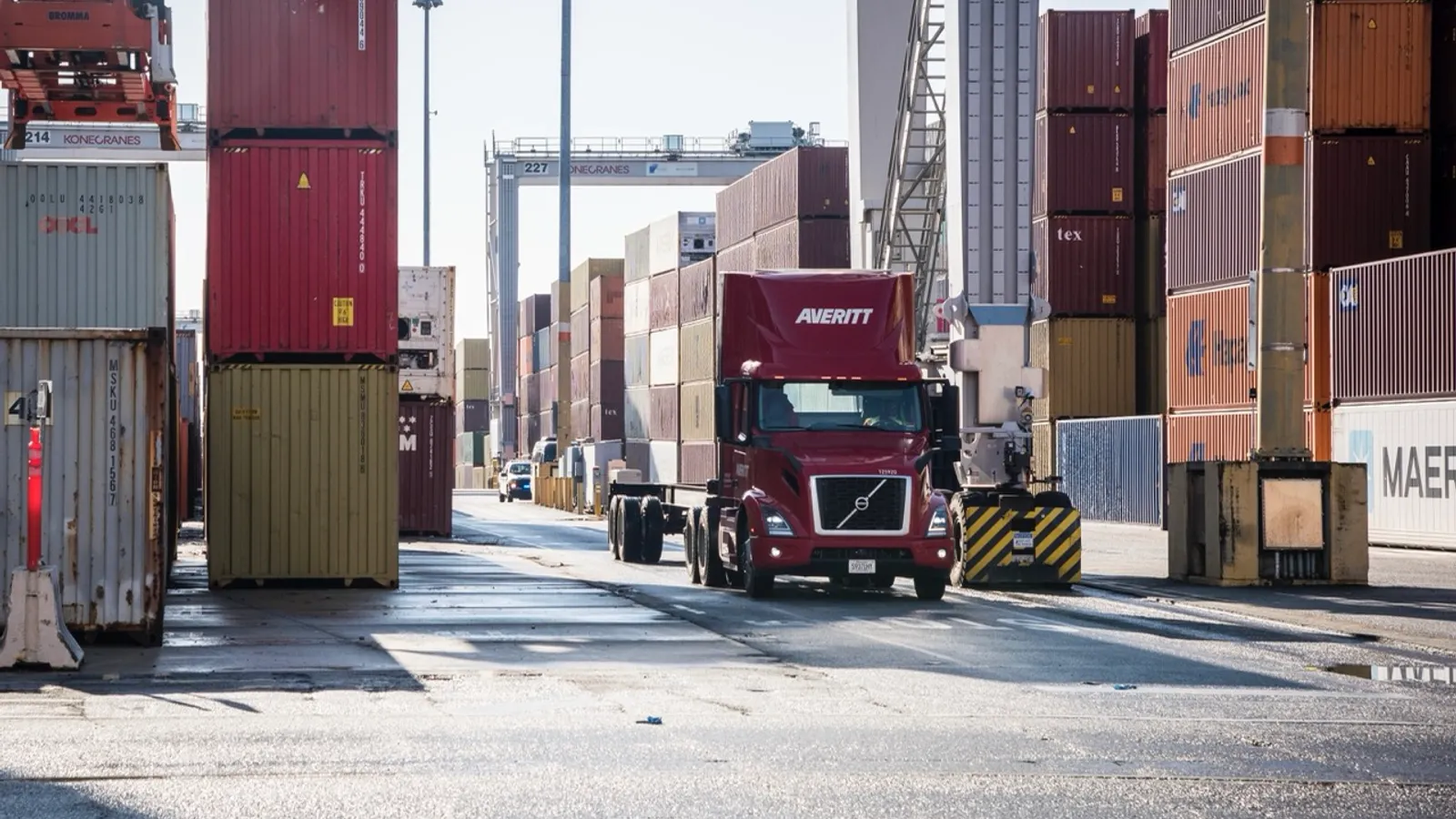 ¿Cómo las cadenas de suministro modernas se adaptan a los aranceles y las políticas comerciales cambiantes mientras mantienen la eficiencia y la resiliencia?">

Rethinking Supply Chains in an Era of Persistent Trade Policy Volatility
In 2025 and beyond, tariffs, sanctions, and an ever-changing landscape of trade regulations have become constant companions in global commerce. This is no fleeting disruption but a steady drumbeat influencing how supply chains must operate. Instead of scrambling to react, the focus has shifted to crafting smarter, more flexible supply networks that can roll with the punches without missing a beat.
From Efficiency to Optionality: The New Supply Chain Strategy
Traditionally, the goal was clear-cut: optimize for maximum efficiency—finding the shortest routes, cutting costs to the bone. However, when policies can flip overnight, that razor-thin efficiency often reveals itself as a knife-edge fragility. The latest tariff surges and sanction cycles have spotlighted just how vulnerable the “perfect” supply route can be.
Enter optionality. This isn’t about pinpoint optimization anymore; it’s about building choices and backups at every step. Producers and shippers are moving away from single reliance on one port, one supplier, or one corridor. Instead, they’re spreading shipments across multiple ports — combining domestic sources with international suppliers — and keeping alternate routes primed to maintain consistent service through uncertainty.
Think of it as not just chasing shorter delivery times, but keeping the ability to move goods briskly no matter what gets thrown in the way. The broader the network, the greater the agility. Supply chains supported by carriers with multimodal options—covering sea, air, and land—can switch gears when the usual lanes hit turbulence.
Integrated Networks and Multimodality: A Game Changer for Logistics
| Capabilities | Beneficios |
|---|---|
| Multiple U.S. gateway ports (Savannah, Charleston, Houston, Mobile, Long Beach/Los Angeles) | Diversified entry points reduce risk and handle surges |
| Integrated forwarding, drayage, warehousing, inland distribution | Streamlined transitions from sea to truck to storage, lowering delays |
| Air cargo and expedited forwarding options | Fast-tracking urgent shipments around international disruptions |
Carriers who bring these assets to the table eliminate the agony of repeatedly piecing together new networks as policies twist. This flexibility isn’t a luxury; it’s the backbone of resilience.
Shifting from Global to ‘Glocal’ Supply Chains: Balancing Reach and Responsiveness
The era of purely global supply chains is evolving. Companies are increasingly embedding production and sourcing near their primary markets to cut response times to disruptions and policy shifts. The regional trade frameworks such as the U.S.–Mexico–Canada Agreement (USMCA) play a crucial role here, enabling smoother cross-border coordination and deeper integration.
The once straightforward “China + 1” sourcing strategy has morphed into a more complex “China + Mexico + U.S.” model, reflecting a hemispheric approach that blends flexibility with continuity. In this setup, cross-border logistics is front and center, shifting from an afterthought to a strategic imperative.
Bilingual customs support and coordinated management ensure shipments flow seamlessly across borders, linking manufacturing sites directly with distribution hubs. This balance keeps the global footprint while enabling nimble regional execution.
Harnessing Visibility: Real-Time Data as a Strategic Asset
Policy environments might be unpredictable, but supply chain visibility doesn’t need to follow suit. Advanced transportation management systems (TMS) are transforming reactive fixes into proactive planning. When tariffs spike or regulations recalibrate, having live insights on shipment locations, capacity constraints, and evolving costs turns uncertainty into an actionable roadmap.
Tools offering instant updates on pricing, lead times, and carrier performance equip logisticians to smartly decide when to pivot routes, modes, or timing. Essentially, visibility is no longer just for tracking; it’s a central component of strategy.
Key Features of Modern TMS Platforms
- Real-time freight location and status monitoring
- Instant freight cost and capacity analysis
- Smart recommendations for routing and mode adjustments
- Integration across multiple transport modes (air, sea, rail, truck)
Actions to Build Agile Supply Chains Amid Ongoing Uncertainty
Looking into 2026 and beyond, it’s clear: trade policies will keep evolving, and fresh challenges will emerge. The supply chains that thrive won’t be the ones that panic but those designed with agility baked in from the ground up.
- Diversify entry points. Avoid putting all eggs in one basket by spreading shipments across various ports and border crossings to dilute risk.
- Utilize port-adjacent warehousing. Efficient container turnaround helps dodge costly fees like per diem and demurrage, keeping freight moving swiftly.
- Partner with integrated carriers. Collaborate with logistics providers offering seamless coordination of forwarding, drayage, and inland transport, avoiding fragmentation and delays.
Services designed for such an environment offer smooth transloading, cross-docking, and inland distribution solutions under a single point of contact, enabling true operational agility without tearing networks apart.
The Competitive Edge of Preparedness
Tariffs and trade policy cycles show no signs of slowing. The difference between supply chain disruption and opportunity hinges on how ready enterprises are to flex and adapt. Rather than seeing volatility as a headache, savvy companies view it as a design challenge — one that fuels resilience and strengthens their logistics framework.
Building robust supply chains doesn’t mean predicting every curveball. It’s about embedding flexibility and contingency into every movement from origin to destination.
Highlighting the Value of Real-World Experience and Smart Choices
All the reviews and feedback can give a great overview, but nothing beats firsthand experience. Nevertheless, platforms like GetTransport.com empower shippers to explore a vast range of cargo transportation options at competitive prices globally — from small parcels to bulky freight, including complex moves like office and home relocations or vehicle transport.
This variety and transparency help logistics professionals and businesses make informed, budget-friendly decisions, avoiding pitfalls and costly surprises. With easy access to reliable, integrated freight forwarding and haulage services, GetTransport.com brings convenience, affordability, and scale to the palm of your hand. Book your Ride with GetTransport.com and gain that peace of mind in every shipment.
Forecasting the Impact on Global Logistics and Embracing Change
While some tariff and policy fluctuations may be regional, their ripple effects are felt in global freight and forwarding alike. Staying informed and adaptable is essential for carriers and shippers worldwide. Platforms facilitating worldwide cargo movement, such as GetTransport.com, represent the kind of innovation that helps maintain smooth distribution even amid evolving trade landscapes.
Empiece a planificar su próxima entrega y asegure su carga con GetTransport.com.
Wrapping It Up: Building Supply Chains That Last
To sum up, the dynamics of trade policies today demand an evolutionary approach to logistics. Rigid, single-path supply chains are relics of the past—forward-thinking operations embrace optionality y regional integration to stay nimble. Leveraging advanced visibility tools turns unpredictability into an advantage, empowering smarter decision-making.
Moreover, partnering with integrated, multimodal carriers ensures supply chains can adapt quickly without costly overhauls. This isn’t just theory: it’s practical readiness in an era where tariffs and regulations toss waves at the shipping industry more often than calm seas.
Deliveries and shipments that delay or falter cause headaches for everyone, from manufacturers to end consumers. By building resilience and operational flexibility, logistics becomes not only reliable but a competitive edge. Platforms like GetTransport.com simplify this complexity by offering accessible, affordable, and global freight solutions — perfect for navigating the evolving currents of international forwarding, haulage, and distribution.