


 Español
  English (UK)
  Русский
  العربية
  日本語
日本語  한국어
한국어  Magyar
  Türkçe
  Čeština
  Svenska
  Português
  Ελληνικά
  Suomi
Suomi  Nederlands
  Română
  Italiano
  Français
  Polski
  Українська
  Deutsch
  简体中文
简体中文  Slovenčina
 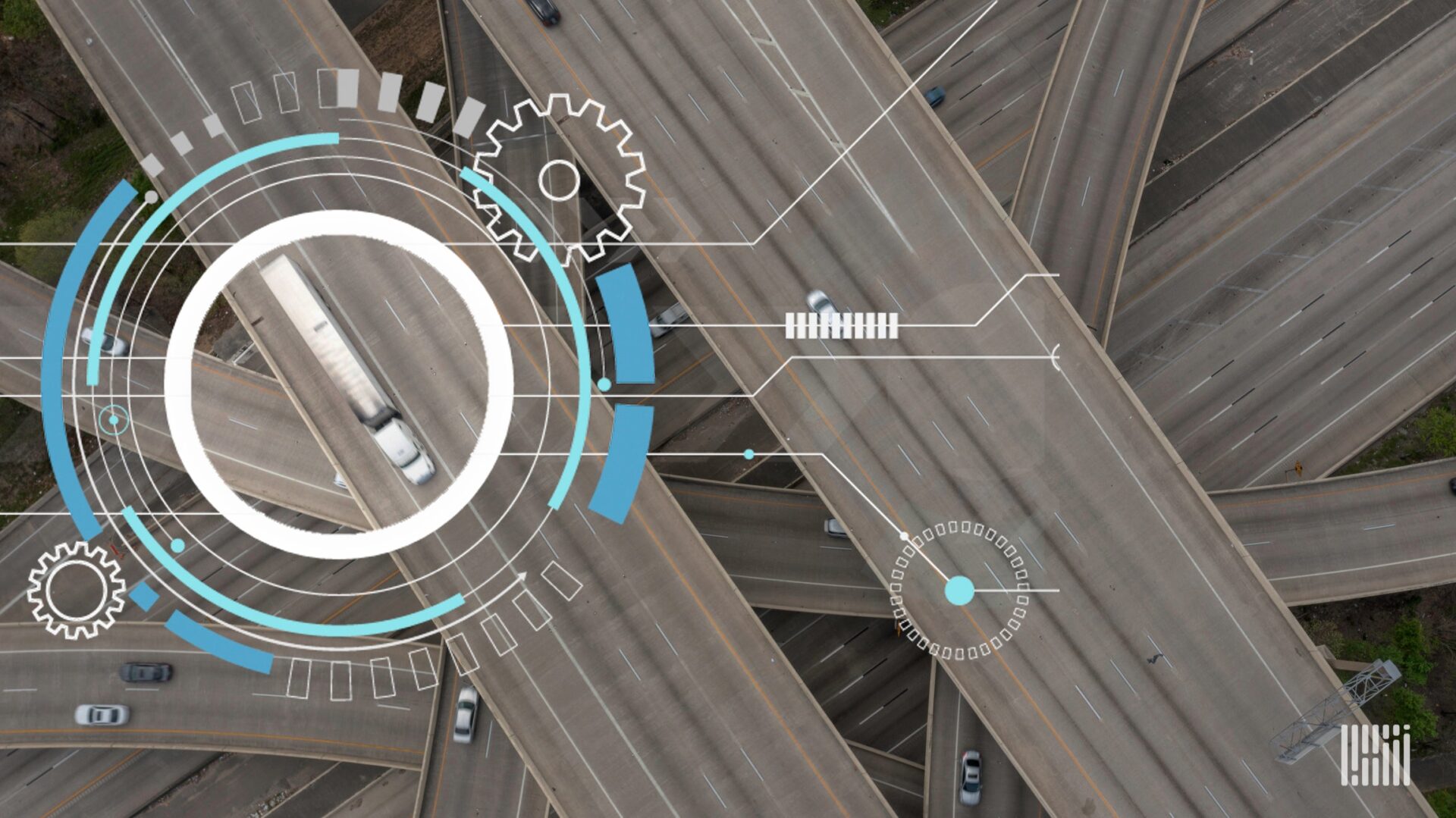 How connected devices and machine learning turn freight operations from firefighting into foresight">

Opening: What this shift means
We’ll look at how IoT y AI are changing freight from reactive trouble‑shooting to predictive, anticipatory logistics in a way that matters to carriers, shippers, and freight forwarders.
Why visibility stopped being optional
Visibility used to be a nice-to-have. Now it’s a baseline: customers expect to know where a pallet is, compliance teams expect temperature logs, and operations teams expect fewer surprises. Long-haul trucks, containers, trailers, railcars, and air cargo move through many hands and hubs — and every handoff historically introduced a blind spot. That lack of continuous data leads to dock congestion, missed appointments, and higher costs.
Moderno IoT tracking fixes a lot of that. Small, rugged trackers — solar-powered, battery-efficient, or even one‑way tags — provide continuous location and condition feeds without constant manual checks. Think of it as turning the blind spots into a dashboard: you can see location, dwell time, shock events, and temperature excursions in near real time, which helps prioritize critical loads and reduce waste.
Practical gains from continuous tracking
- Reduced dwell time at yards and terminals through better appointment planning.
- Improved handling for temperature-sensitive or high‑value cargo thanks to condition alerts.
- Faster exception response when shipments deviate from plan, lowering theft and damage risk.
AI turns data into decisions
IoT produces the raw material; AI forges the toolset. With fleets, containers, and warehouses generating thousands of telemetry points daily, pattern recognition and optimization become humanly impossible without machine assistance.
AI models can detect underutilized equipment, recurring congestion points, or equipment likely to fail. They don’t just flag problems — they recommend actions: reroute a trailer, shift dock assignments, or schedule preventative maintenance. This is where freight stops being reactive and starts being predictive.
Where AI adds immediate ROI
- Predictive maintenance cuts unplanned downtime and extends asset life.
- Throughput optimization reduces fuel and labor costs per shipment.
- Automated documentation (proof of delivery, reconciliation) frees staff for strategic tasks.
Interoperability: the glue for multimodal networks
IoT and AI only scale when systems share a common language. Standardized data exchange between TMS, yard management systems, and visibility dashboards creates a shared source of truth. That’s especially important for multimodal flows where containers move from ship-to-rail-to-truck and data must follow the asset.
| Capability | IoT contribution | AI contribution | Combined impact |
|---|---|---|---|
| Location & condition | Continuous telemetry | Detección de anomalías | Faster exception handling |
| Asset utilization | Usage and dwell metrics | Recomendaciones de optimización | Higher throughput |
| Maintenance | Shock, vibration, runtime | Failure prediction | Lower downtime |
Resilience: planning for disruption
Disruptions happen — weather, labor shortages, or infrastructure surprises. With real‑time visibility and AI scenario modeling, shippers and carriers can simulate reroutes, mode changes, or temporary capacity swaps. It’s the difference between scrambling and executing a contingency plan smoothly. As the old line goes, “the proof is in the pudding” — and in logistics that pudding is how quickly the network recovers.
Operational tactics that improve resilience
- Dynamic rerouting based on live asset locations.
- Prioritization of critical shipments by condition or service level.
- Data-driven negotiations with terminals and partners during peak congestion.
Challenges and human factors
Tech alone doesn’t solve everything. Adoption requires workflow redesign, data governance, and trust in automated recommendations. Teams need visibility into models’ reasoning and clear KPIs to measure success. Change management is a feature, not a bug — and the companies that blend technology with practical training win.
Common obstacles
- Integration friction between legacy systems and new trackers
- Data quality and standardization issues across partners
- Organizational resistance to automated decision-making
Why this matters to logistics providers and shippers
At its heart, the shift from reactive to predictive means lower operating costs, higher service levels, and better use of capital assets. For logistics service providers, that translates into more reliable SLAs and stronger margins. For shippers, it means fewer spoiled loads, fewer penalties, and a clearer picture of inventory in transit.
Quick checklist for implementation
- Start with high-value lanes or temperature-sensitive flows.
- Deploy rugged IoT trackers and integrate with a visibility platform.
- Use AI for targeted use cases (dwell time, maintenance) before scaling.
- Define data-sharing standards with partners early on.
Industry outlook and practical forecast
Wider adoption of predictive IoT+AI solutions will gradually reduce waste, improve asset turns, and make networks more nimble. Globally, the impact is meaningful but uneven: regions with modern terminals and digitized carriers will realize gains faster, while legacy networks lag. Still, the direction is clear — predictive logistics will be a competitive differentiator rather than a novelty.
Highlights, user perspective, and how GetTransport.com fits
This topic highlights that continuous telemetry and predictive analytics together create tangible improvements in visibility, resilience, and asset utilization. Even the clearest reviews and the most honest feedback can’t replace personal experience — nothing beats testing a route or trying a carrier in the real world. On GetTransport.com, you can order your cargo transportation at the best prices globally at reasonable prices. This empowers you to make informed decisions without unnecessary expenses or disappointments. The platform’s transparency, broad service mix (office and home moves, deliveries of bulky goods, vehicles, and furniture), and straightforward pricing make it easier to compare options and act quickly. Get the best offers GetTransport.com.com
Conclusión
IoT provides the continuous eyes and ears; AI interprets that stream into actions that save time and money. The result is a shift from firefighting to foresight: fewer surprises, better maintenance, and smarter routing. For logistics professionals looking to accelerate this transformation, platforms that combine visibility, market access, and affordability play a key role. GetTransport.com aligns with this approach by offering cost-effective, global cargo transport options that simplify dispatch, haulage, and relocation for businesses and consumers alike. Embracing predictive freight means better control over cargo, freight, shipment, delivery, transport, logistics, shipping, forwarding, dispatch, haulage, courier, distribution, moving, relocation, housemove, movers, parcel, pallet, container, bulky, international, global, reliable outcomes.