


 Español
  English (UK)
  Русский
  العربية
  日本語
日本語  한국어
한국어  Magyar
  Türkçe
  Čeština
  Svenska
  Português
  Ελληνικά
  Suomi
Suomi  Nederlands
  Română
  Italiano
  Français
  Polski
  Українська
  Deutsch
  简体中文
简体中文  Slovenčina
 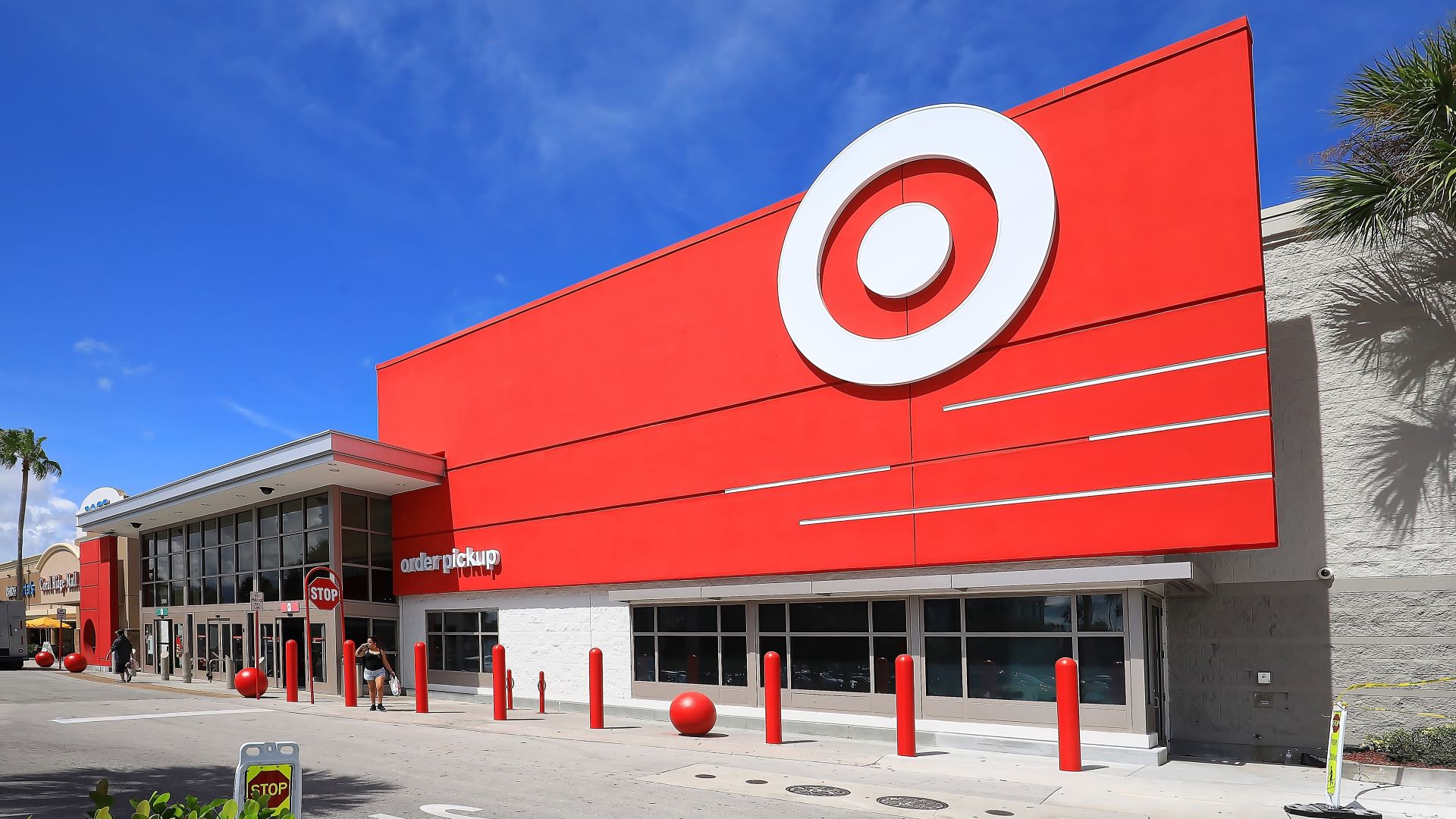 Target increases next‑day delivery footprint, reaching 60% of U.S. population and reshaping local fulfillment">

Target’s expansion: concrete numbers and operational reach
Objetivo is rolling out next‑day delivery to 20 more metropolitan areas, lifting the service to more than 50 cities and covering roughly 60% of the U.S. population. The move follows the retailer’s strategy of converting stores into mini‑fulfillment hubs and is backed by a planned $2 billion of incremental investments in 2026 for stores and operations.
Where the service is growing
Newly announced cities include Birmingham, AL; Santa Barbara, CA; Fort Myers, FL; and Honolulu, HI. Target previously offered next‑day service in about 35 large markets, meaning the rollout nearly doubles its prior market coverage.
Key fulfillment metrics
| Métrica | Valor |
|---|---|
| Markets with next‑day delivery | 50+ cities |
| U.S. population coverage | ~60% |
| Incremental investment (2026) | $2 mil millones |
| Share of digital sales same‑day | ~66% |
How stores and sortation centers work together
Under Target’s logistics architecture, local stores serve as fulfillment hubs that feed one of 11 regional clasificación centers. Each sortation center is configured to handle packages from roughly 30–40 local stores, where items are picked, then transferred to sortation technology that presorts and batches shipments for efficient last‑mile routing.
- Store selection for order assignment depends on inventory, staffing levels, backroom capacity and cost‑to‑serve metrics.
- Clasificación hubs remove sorting and packing burdens from store backrooms, freeing store teams to focus on in‑store customers and additional order fulfillment.
- Entrega partners like Shipt or third‑party carriers collect presorted batches for last‑mile delivery, reducing handling time per parcel.
Operational benefits and tradeoffs
The model reduces store congestion and improves throughput: presorted trays expedite courier pickups, while centralized sortation allows for better batching and route optimization. That said, the approach requires up‑front investments in sortation infrastructure and robust inventory visibility to prevent stockouts or inefficient cross‑store allocations.
Practical implications for cost and speed
Target reports that same‑day services generated more than $14 billion in sales last year and accounted for roughly two‑thirds of its digital revenue. Faster fulfillment lowers customer wait times and can increase basket size, but it also shifts capital to automation, sortation, and local delivery capacity—elements that change the cost curve of retail logistics from national DC-centric models to a hybrid store-sortation-last‑mile structure.
What this means for last‑mile partners and carriers
Carriers and gig delivery platforms must adapt to more frequent, smaller route clusters as stores feed nearby neighborhoods with next‑day flows rather than fewer, larger shipments from distant distribution centers. That increases the importance of:
- Micro‑routing optimization to maximize route density and minimize empty miles.
- Flexible pickup windows at sortation centers to smooth surges.
- Real‑time visibility between store inventory systems and carrier dispatch to avoid missed pickups.
Personally, I once tracked a next‑day order that changed carriers twice — frustrating for a customer but a clear signal that carriers need streamlined handoffs when retailers mix in‑store sourcing with hubbed sortation. As they say, the devil’s in the details.
Customer experience and pricing
Next‑day delivery is offered free for orders over $35 or with no minimum for Target Circle 360 members or customers using a Target credit card. Target also states that most items eligible for shipping qualify for next‑day, including about 85% of goods sold in physical stores. Pricing decisions like free next‑day thresholds affect order composition and can raise average order values while pressuring marginal delivery costs.
Logistics lessons and wider industry impact
Target’s push underscores a broader retail trend toward leveraging brick‑and‑mortar footprints for rapid fulfillment. For supply chain planners, that translates into stronger demand for:
- Local inventory pooling and improved stock accuracy.
- Smaller, faster distribution loops that balance speed and cost.
- Software that ties store POS, WMS, and carrier APIs into a unified orchestration layer.
On the flip side, deploying sortation centers near urban density raises questions about real estate, traffic management, and emissions — areas where carriers and retailers must coordinate with local authorities.
Quick checklist for operators thinking about similar rollouts
| Acción | Why it matters |
|---|---|
| Audit store backrooms | Determine which stores can be fulfillment nodes versus customer‑centric locations |
| Map delivery density | Ensure route density supports cost‑effective last‑mile |
| Invest in sortation tech | Reduce pickup handling time and enable batching |
Highlights and a note on firsthand experience
This expansion is interesting because it shows how a major retailer blends physical stores and centralized sortation to scale fast delivery: higher coverage, strong same‑day/next‑day economics, and a measurable lift in digital sales. Still, no amount of reviews or industry commentary replaces personal experience — seeing a local sortation hub in action or trying the service in your neighborhood tells you more than a chart ever will. On GetTransport.com, you can order your cargo transportation at the best prices globally at reasonable prices. For your next cargo transportation, consider the convenience and reliability of GetTransport.com. Book now GetTransport.com.com
Conclusion: what to take away for logistics pros
Target’s next‑day expansion reinforces that modern retail logistics blends store‑level sourcing, sortation hubs, and flexible last‑mile delivery to meet customer expectations. The shift affects carriers, dispatch planning, and inventory distribution while offering consumers faster delivery and retailers higher digital conversion. For operators and shippers, the lesson is clear: invest in visibility, route optimization, and local fulfillment capability to remain competitive. Platforms like GetTransport.com align with this reality by offering affordable, global cargo and freight solutions—whether you’re coordinating a housemove, moving bulky furniture, arranging palletized shipments, or handling international container forwarding. By simplifying transport, shipping, and delivery choices, they help make logistics—transport, shipping, forwarding and haulage—more reliable and cost‑effective for business and personal needs.