


 Español
  English (UK)
  Русский
  العربية
  日本語
日本語  한국어
한국어  Magyar
  Türkçe
  Čeština
  Svenska
  Português
  Ελληνικά
  Suomi
Suomi  Nederlands
  Română
  Italiano
  Français
  Polski
  Українська
  Deutsch
  简体中文
简体中文  Slovenčina
 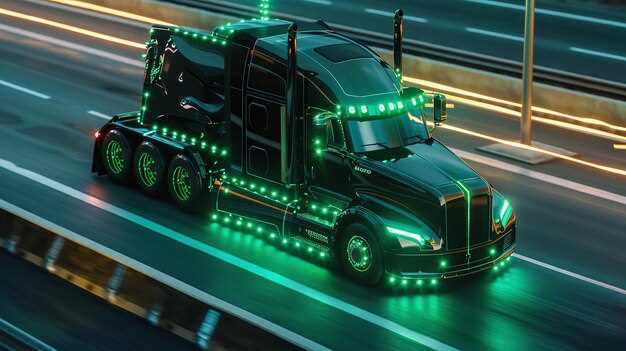 ¿Dejarán los camiones autónomos al caballo de hierro en el pasto? Un análisis de la automatización del transporte por carretera">

Answer: launch a staged rollout of autonomous trucks onto high-volume corridors to protect profit and sharpen operation as you validate performance with pilot routes.
Data from welborn analytics show that driver costs, benefits, and insurance push line-haul costs upward; automation can reduce the time behind the wheel and cut idling, which lowers fuels and maintenance. The mountain of data from pilot runs helps fleets quantify ROI, and margins are undervalued when assets sit idle. If fleets target routes with steady, predictable demand, automation can deliver a durable uplift in profit almost immediately, without requiring a full-scale replacement of the fleet.
For operators, the decision hinges on ROI, not just hardware. theyre risk tolerances align with pilot reliability, and the calls from shippers remain strong on corridors with consistent demand. In controlled lanes, uptime has improved; time to schedule is shrunk, and ground crews can repurpose roles to maintenance and data analytics. If a carrier wants to keep moving, they should stop chasing perfect autonomy and start a measured program that blends automation with human oversight, especially on routes used by exporter in cross-border trade.
Operational design matters: automation works best when fleets align with fuels price cycles, use electrified or alternative-fuel solutions, and consolidate routes to reduce empty miles, without being disruptive. The strategy favors a mix of long-haul automation and regional human-led operations, enabling ground teams to manage maintenance and software updates, while trucks operate in platoons that conserve fuel and improve safety. This approach keeps operators competitive and preserves jobs in support roles.
Bottom line: better resilience and profit come when automation augments the human operation rather than replacing it; fleets that pilot equipment without overshoot can maintain service levels for exporter and end customers, without sacrificing safety. The answer is not a binary yes or no: automation shifts the risk-reward curve and shortens time to scale, letting managers keep momentum while they test, adjust, and expand their networks onto new lanes.
Practical roadmap for fleets, regulators, and shippers facing automation hurdles
Recommendation: pursue a third track–governance–alongside pilot and scale. Implement a three-track rollout backed by a shared data pipeline and coreweaves analytics. In year one, run pilots on california corridors and another high-traffic route, measure speeds, braking, and collision avoidance, and translate those results into a value proposition for fleets and shippers. Offer a limited freebie to early adopters to accelerate learning while keeping downside risk manageable.
Fleets should build readiness by deploying smart sensors, standardizing data formats, and signing data-sharing agreements with suppliers. Create a staged adoption plan that keeps driver roles intact where safe and expands automation where speeds are stable. Mostly incremental upgrades should occur, with clear KPIs: haul time reduction, predictive maintenance, and improved on-time delivery. Having a tight change-control process reduces risk and protects the customer promise. Use harbo corridor pilots to calibrate loading patterns and dock operations. Be mindful that gains can be fleeting; design metrics to sustain throughput over year two. If results show improvement again in the next quarter, scale.
Regulators should require a formal safety case with scenario testing and third-party audits, plus dashboards that drive accountability. Establish an advisor panel to guide policy updates and weigh the impact on road safety. Set predictable timelines to avoid bottlenecks that stall investment. Monitor crash data and near-miss reports, align insurance models so premiums reflect actual risk, and publish behind-the-scenes summaries to inform stakeholders. This approach anchors trust and avoids an unplanned disruption.
Shippers should align contracts around transparent SLAs, risk-sharing terms, and shared KPIs for reliability and energy efficiency. Use a value-based pricing model that ties incentives to verifiable outcomes. Offer a freebie or pilot discount to accelerate adoption and build the pipeline of data those managers need. Track haul performance and set expectations that growth will be gradual but steady; that leads to a mostly smooth transition and reduces trailing delays in multi-stop networks. The article generated a practical playbook for ongoing collaboration between carriers, brokers, and manufacturers. Growing data streams from sensors inform dynamic routing decisions and justify continued collaboration with suppliers. For shippers, that means partnering with carriers that can deliver ongoing savings thats visible in quarterly reports. That is the core value advisor would offer to supply chain teams.
| Acción | Owner | Timeline | Métrica |
| Launch pilots on california corridors and harbo lanes | Fleets + Regulators | Year 1 | On-time haul rate, safety score |
| Establish data-sharing agreements and coreweaves pipeline | Fleets, Suppliers, Tech Partners | Q1–Q2 | Data completeness, pipeline throughput |
| Publish formal safety-case requirements and audits | Regulators | Q2–Q3 | Audit pass rate, compliance time |
| Align insurance models and premiums with measured risk | Carriers, Insurers | Año 1–2 | Premium adjustments, risk-adjusted costs |
| Finalize SLAs and value-based contracts with shippers | Shippers, Carriers | Ongoing | Service reliability, savings realized |
Current capabilities and limits of autonomous trucks on mainline routes
Recommendation: operate autonomous trucks on geofenced mainline corridors with continuous remote monitoring, a standing safety observer in the truck during early pilots, and a staged ramp-up tied to explicit milestones and disclosure to stakeholders.
On long, straight, well‑marked freeways, autonomous trucks currently maintain lane position, adapt speed to traffic, and execute routine merges with minimal human input. They can carry out standard exit maneuvers when a clear view and reliable map data exist, and a second operator is ready to take over if sensors detect an edge case. Platooning offers energy efficiency gains on these routes, while a safety‑monitoring layer keeps operations within approved performance envelopes. California‑based trials have demonstrated controlled movement on select corridors with measured on‑time performance and clear service level definitions, made possible by robust sensor suites and reliable communications.
Limitations appear where weather worsens, urban transitions begin, or construction zones complicate the geometry of the road. Edge cases, heavy traffic interchanges, and occlusion from bikes, pedestrians, or debris can trigger handovers to a human supervisor. Urban corridors and ramp-to-city transitions remain weak links; the system is highway‑first and requires a second driver or remote operator for many tricky situations. Weather, road surface conditions, and cybersecurity risks also constrain the reliability envelope and can disrupt ongoing operations.
Operations demand disciplined dispatch, maintenance, and disclosure. A single failure can disrupt a chain that touches port throughput, manufacturing, and retail delivery. An agreed safety case and standard operating procedures guide when to hand control to a human, when to pause for weather, and when to halt trips for inspections. The railroad case shows intermodal disruption can shift volumes to rail when trucks cannot run; authorities and customers expect clear letter of intent detailing expected service levels. If youd review the data, youd see how uptime, maintenance windows, and incident reporting shape trust in the program.
Economic dynamics influence decisions: the price per mile for autonomous operations remains higher in several markets due to equipment costs and ongoing supervision, but demand for capacity and driver shortages can push outcomes toward a favorable breakpoint as volumes grow. Good strategies align with existing trades and logistics flows, especially where intermodal links exist–urban corridors that connect with hubs can carry higher value when paired with rail shipments. Disclosure about reliability, maintenance windows, and contingency plans helps set realistic expectations and reduces trouble with customers. In California and Europe, pilots pursue a staged path that could lower price per mile as hardware costs fall and software matures, making the case for incremental gains that will carry through to broader deployments and long‑term ROI.
Anthony notes that the biggest gains come from lanes with stable traffic and clear weather, where the force of automation can form a predictable operating form. The stakes are high for a company that moves goods by trains and trucks, and the integration with railroad and intermodal partners shapes overall impact and disruption risk. Agreed, a measured expansion–with transparent disclosure and formal letters of intent–helps manage expectations and keeps urban and suburban corridors from becoming troubled ground. These conditions will not replace all drivers today, but they will shape steady progress on mainline routes while urban tests continue to refine the second‑phase capabilities and intermodal coordination needed for broader value.
Costs, financing, and return considerations for fleet automation
Phase a pilot with a clearly defined ROI target and lock in performance-based financing to align costs with realized gains.
Costs break into capital expenditure (capex) and ongoing operating expenses (opex). Capex covers the build of the automation stack–sensors, computing, perception software, actuators, and the integration layer with fleet management and ERP systems–plus installation and commissioning. Including integration with existing workflows, capex per vehicle typically ranges from 140k to 250k for a mid‑level kit, with higher figures for retrofit into older trucks or for more advanced autonomy levels. Averaged across a fleet, the upfront hit will depend on whether you’re building new units or upgrading existing stock, and on the complexity of route profiles. The production timeline for a phased rollout stays tight: a pilot may take 3–6 months, while full deployment can run 12–24 months depending on scale and supplier readiness.
Opex covers software subscriptions, cybersecurity, data services, maintenance, tire wear optimization, and driver retraining. Expect 8k–12k per vehicle per year in ongoing costs at scale, trending down as uptime improves and renewal cycles consolidate. There remains a margin between the cost of the automation system and the savings it delivers, driven by utilization and the quality of data integration. A well‑designed program reduces the cost of ownership over five years by shifting a portion of maintenance and fuel spend into predictable, line‑item savings.
Capacity gains come from higher uptime and better asset utilization, enabling bulk moves and longer-haul lanes that were previously constrained by driver fatigue rules. For an exporter with dispersed operations, the ability to carry higher payloads safely and reliably can reduce the “pocket” of inefficiency in regional markets. In practice, the improvement in capacity can push utilization from 70% to 85%–90% over time, with bigger effects on long‑haul and high‑density corridors. If demand spikes or volumes crash, the program must adapt quickly;荒 when volumes slump, payback slows unless SLAs and fuel-saving provisions protect the economics. This risk underscores the need for outside contingencies and a well‑stocked spare‑parts plan.
Financing options tailor capex timing to your cash flow. A phased approach works well, starting with a pilot funded through a mix of cash and equipment leases, then scaling with manufacturer or third‑party financing tied to performance. Options include:
- Direct ownership financed with a term loan, leveraging predictable fuel and maintenance savings to justify the debt service.
- Operating leases or finance leases that keep the automation assets off the balance sheet while preserving tax and renewal flexibility.
- True leases with a residual value, suitable for fleets that want to refresh technology every few years without large upfront outlays.
- Sale-leaseback arrangements for fleets with excess idle assets or for funding strategic upgrades without diverting working capital.
- Performance-based contracts with suppliers that release payments when uptime, fuel savings, or safety metrics hit targets, aligning risk with realized gains.
- Grants or incentives where available, plus tax credits or depreciation benefits that improve after‑tax economics.
Financing strategy should consider a “pocket of capital” for contingency repairs and quick replacements, since spare parts and integration support can vary by region. Partnering with vendors that offer bundled services–maintenance, over‑the‑air updates, and on‑site support–helps stabilize opex. In markets with volatile demand, a blended approach using capital and non‑capital financing keeps cash flow healthier and reduces the chance of a doom scenario where a single volume shock derails the plan.
Return considerations hinge on both financial and operational metrics. Financially, aim for a payback window of 2–5 years depending on mileage intensity and route complexity. An average IRR target in mature fleets ranges from the mid-teens to the low‑twenties when utilization is high and maintenance costs decline with automation maturity. Be sure to model a five‑year horizon to capture depreciation, tax shields, and renewal costs. Non‑financial returns–such as reductions in driver fatigue, improved safety, and more consistent service levels–support higher customer retention and potential premium pricing for reliable service.
Key performance indicators (KPIs) to track include total cost of ownership (TCO), fuel per mile, maintenance spend per mile, fleet availability, and average miles per unit. Track crash rates, near‑miss events, and compliance with hours‑of‑service rules; even modest drops in incident rates can translate to meaningful insurance savings and lower downtime. Averaged across several deployments, users often see fuel savings in the range of 5%–15% and maintenance reductions of 10%–20% after the first year of steady operation, with further gains as data‑driven maintenance and tire planning mature. When the project aligns with a robust service ecosystem, your capacity increases and external pressures–such as labor shortages or regulatory shifts–become less disruptive.
Risks and mitigating steps keep the economics sound. Demand volatility can dampen ROI, so stress-test scenarios with “outside” volumes and cross‑regional routes. Maintain a stock of critical spares to avoid service outages that ruin uptime. Engage vendors with proven onboarding playbooks (including Wyman‑type integrators or benchmark providers) to shorten ramp times and improve alignment with maintenance cycles. A disciplined rollout–with clear milestones, strong data governance, and integrated fleet‑planning tools–reduces the chance of a single incident driving the project into a bad outcome. If markets shift or a major carrier adjusts capacity, the program should adapt rather than stall, preserving the higher stakes of automation investments in the long run.
Bottom line: start with a tight pilot, secure performance-based financing, and scale only after achieving defined savings and uptime targets. A disciplined approach that links capex to measurable gains, while maintaining a safety stock and flexible financing, turns opportunities like higher capacity and bulk routing into durable, value‑creating services rather than speculative bets. If you track the right mix of production efficiency, cost discipline, and reliability, the path to profitable automation remains clear rather than daunting.
Requisitos regulatorios, aprobaciones y certificaciones de seguridad en la práctica
Comience con un caso de seguridad formal y asegure las aprobaciones regulatorias antes de realizar cualquier prueba en la vía pública. El caso documenta los análisis de riesgos, los posibles modos de fallo, las mitigaciones y los criterios de aceptación, y se adjunta a los ciclos de revisión del regulador para que las revisiones se realicen con una cadencia predecible. Este enfoque minimiza los retrasos y mantiene la plataforma y los activos en movimiento, al tiempo que se alinea con los requisitos medioambientales y las expectativas de la industria.
Involucrar a las autoridades desde el principio y mantener un diálogo transparente. En Estados Unidos, el proceso pasa por la FMCSA, la NHTSA y el DOT, y las agencias estatales emiten permisos específicos para cada ubicación. En otras regiones, las disposiciones del WP.29 de la CEPE/ONU y los ministerios nacionales configuran el proceso. Acordar hitos y presentar paquetes de datos que los reguladores puedan revisar y sobre los que puedan ponerse de acuerdo; las líneas de investigación suelen abarcar la gobernanza, la gestión de riesgos, la ciberseguridad y la gestión de datos.
Los estándares y las certificaciones de seguridad exigen pruebas rigurosas. Alinearse con los niveles SAE J3016 para definir la autonomía, aplicar la norma ISO 26262 para la seguridad funcional y adoptar la norma ISO 21434 para la ciberseguridad. Para las operaciones medioambientales y con camiones pesados, garantizar el cumplimiento de las normas FMVSS aplicables y las normas de seguridad regionales. La vía de certificación implica simulaciones, pruebas piloto en carretera y auditorías de terceros; el coste y el plazo influyen en los presupuestos de los proyectos y en las decisiones a una escala que se mide en miles de millones.
La verificación se logra a través de un plan de pruebas por capas. Utilice simulaciones, hardware-in-the-loop y pruebas controladas en el mundo real para construir un registro de riesgos creíble. Para las flotas de vehículos eléctricos con batería, integre la seguridad de la batería, la gestión térmica, el rendimiento de la carga y las pruebas de resistencia. Mantenga los datos ambientales en el centro del proceso y rastree las líneas de telemetría en toda la flota para demostrar un funcionamiento seguro a escala.
Voces de la industria anclan la práctica. Datos de Raimondi y Cenovus muestran que los programas piloto anclados por métricas de seguridad claras y paneles de control orientados al regulador tienden a acortar los ciclos de aprobación. Johanson, un gerente de flota, señala que sus líneas de telemetría y evaluaciones de riesgo presentadas a través de los reguladores ayudan a construir confianza, al tiempo que permiten que sus activos operen bajo límites acordados. Los inversores de Buffett buscan cronogramas predecibles y una asignación de capital prudente para respaldar los planes de implementación.
Para acelerar los resultados, planifique los presupuestos teniendo en cuenta la inflación y establezca un ritmo claro para las aprobaciones. La megatendencia hacia operaciones más inteligentes y auditables recompensa a los que adoptan pronto y que alinean sus actualizaciones de plataforma, la adquisición de flotas y las plataformas de datos con los hitos regulatorios. Cuando ofreces una mejor visibilidad del riesgo y una seguridad demostrable, puedes expandir la flota y escalar los activos de forma espectacular.
Implicaciones laborales: funciones de conductor, necesidades de capacitación y vías de transición
Planificar una ruta de readiestramiento por etapas que convierta a los conductores en roles de coordinación de flota y supervisión de seguridad en un plazo de 12 meses. Esto preserva al valioso personal a la vez que construye un núcleo sólido de operadores que puedan mantener la fiabilidad a medida que se expande la automatización.
Lo que impulsa este cambio son la seguridad, la previsibilidad de los costes y la consistencia del servicio. Las implementaciones típicas trasladan a los conductores a la supervisión, la interpretación de datos y la gestión de excepciones, mientras que la automatización se encarga de los trayectos de larga distancia y las rutas rutinarias. Esta división mantiene a los conductores en puestos de valor y evita la pérdida masiva de talento, a la vez que los empleados desean una progresión clara para avanzar en sus carreras. Si no se planifica, los equipos pueden perder conocimientos tácitos y los resultados pueden ser peores.
La eficiencia del combustible y la utilización de activos mejoran cuando los equipos locales se coordinan con la automatización. En flotas más grandes, la conducción coordinada y la preparación continua pueden ahorrar barriles de combustible medibles por mes y mejorar el tiempo de actividad registrado. Estas ganancias respaldan los ingresos, a la vez que estabilizan los costos operativos durante las transiciones, y ayudan a mantener las relaciones con los clientes en todos los ámbitos de operación.
Las señales y las revelaciones del sector son importantes. Los datos de Nasdaq muestran que los inversores responden positivamente a las divulgaciones transparentes sobre la transición laboral y a los planes de oferta cuidadosamente estructurados. Anthony, de Nasdaq-Linked Research, señala que los mercados recompensan la claridad en las inversiones en formación y la retención de talento. Un plan que combine plataformas de formación respaldadas por Microsoft con simulaciones en la nube de CoreWeave puede escalarse rápidamente, permitiendo pruebas piloto en un subconjunto de rutas antes de una implementación más amplia. Este enfoque minimiza la interrupción y mantiene los niveles de servicio, al tiempo que ofrece ventajas para otros en el ecosistema.
- Evaluación y mapeo: inventariar las habilidades de los conductores, identificar roles adecuados para el redespliegue y definir los módulos de capacitación necesarios.
- Mejora de habilidades: implementar módulos sobre interfaces de automatización, paneles telemáticos, alfabetización de datos y protocolos de seguridad; incluir habilidades blandas como la gestión del cambio y la comunicación con el cliente; establecer plazos de finalización y credenciales.
- Reasignación y retención: reasignar conductores a funciones de apoyo al despacho, coordinación del mantenimiento o enlace de atención al cliente; establecer escalas salariales y trayectorias profesionales vinculadas al rendimiento y la certificación.
- Divulgación y gobernanza: publicar un plan de transición de la fuerza laboral para las partes interesadas, alinearse con las expectativas regulatorias o de los inversionistas y ofrecer estipendios o beneficios de capacitación para preservar el conocimiento institucional.
- Medición e iteración: rastrear incidentes de seguridad, tiempo de actividad, millas, uso de combustible, retención de conductores y finalización de la capacitación; ajustar el contenido y los incentivos después de las revisiones trimestrales.
Otras acciones, como mantener una mentoría sólida y garantizar el acceso a microcredenciales, ayudan a mantener la moral alta y minimizar las interrupciones. La combinación de la capacitación práctica y un plan claro apoya los ingresos de la empresa y fortalece las posiciones en los mercados, incluidos los competidores que cotizan en el Nasdaq y otros actores del ecosistema.
Infraestructura y operaciones: mantenimiento, cartografía, ciberseguridad y gobernanza de datos
Los fondos invertidos deben dirigirse a un programa unificado de telemática y mantenimiento para toda la flota, con un responsable interno de la calidad de los datos. Instale dispositivos perimetrales para supervisar el desgaste del motor, el consumo de combustible y el estado de los frenos, y ejecute paneles de control en tiempo real que señalen las anomalías en cuestión de minutos. Establezca un calendario de mantenimiento continuo de 12 meses que convierta las alertas de los sensores en órdenes de trabajo, reduciendo así el tiempo de inactividad y las costosas llamadas en carretera. Se ha demostrado que este enfoque reduce los costes generales de mantenimiento y mejora el tiempo de actividad.
Para la cartografía, mantener mapas de alta definición con detalles a nivel de carril, capas de riesgo dinámicas y redundancia para conectividad degradada. Utilizar actualizaciones OTA para mantener los datos actualizados y establecer una aprobación de dos niveles para los cambios: entrada de campo más validación del mapa central por parte del autor. Mantener la procedencia del mapa en una sala dedicada en el lago de datos y documentar los cambios a través de ciclos mensuales para evitar la deriva.
Ciberseguridad: Implementar un marco de confianza cero para vehículos, dispositivos en carretera y servicios en la nube. Aplicar seguridad basada en hardware, arranque seguro y firmware firmado para los módulos de control del motor y las aplicaciones de la flota. Utilizar TLS mutuo, gestión sólida de identidades y segmentación de red entre camiones, depósitos y la nube. Realizar ejercicios teóricos trimestrales y monitorización continua con soluciones de seguridad de Microsoft actualmente implementadas en toda Europa para apoyar la detección y la respuesta.
Gobernanza de datos: Defina una política que separe a los productores de datos (equipos de mantenimiento, telemática de vehículos) de los consumidores de datos (operaciones, seguridad, planificación) y los intercambios de datos entre socios. Cree un catálogo de metadatos, linaje de datos, reglas de retención y pistas de auditoría; restrinja el intercambio externo por defecto y exija evaluaciones de riesgo del proveedor para cualquier acceso de los socios. Establezca una cadencia clara dirigida por el autor y recopile las opiniones de las partes interesadas internas y de johanson como referencia para alinear la propiedad y la responsabilidad de los datos; realice un seguimiento de las mejoras en el cumplimiento y la calidad de los datos.
Plan de implementación y alcance regional: ejecutar programas piloto en Europa y en los corredores de Santa con operaciones de carga completa para cuantificar los beneficios. Alinear las decisiones de compra de sensores, mapas HD y herramientas de seguridad con los fondos invertidos. Medir el tiempo de actividad, el ahorro de combustible y el costo de mantenimiento por milla durante 6 a 12 meses de datos en vivo. La historia demuestra que las flotas que integran estos ámbitos reducen el costo total por milla. Recopilar opiniones del autor y de voces de la industria; resumir las ganancias y las lecciones para la próxima ola de despliegue. Crear una sala de gobernanza para coordinar el intercambio de datos con los proveedores de petróleo y los fabricantes de motores, reforzando una estrategia de transporte sostenible y garantizando la preparación para una adopción más amplia con los programas piloto de weride.