


 Suomi
Suomi  English (UK)
  Русский
  العربية
  日本語
日本語  한국어
한국어  Magyar
  Türkçe
  Español
  Čeština
  Svenska
  Português
  Ελληνικά
  Nederlands
  Română
  Italiano
  Français
  Polski
  Українська
  Deutsch
  简体中文
简体中文  Slovenčina
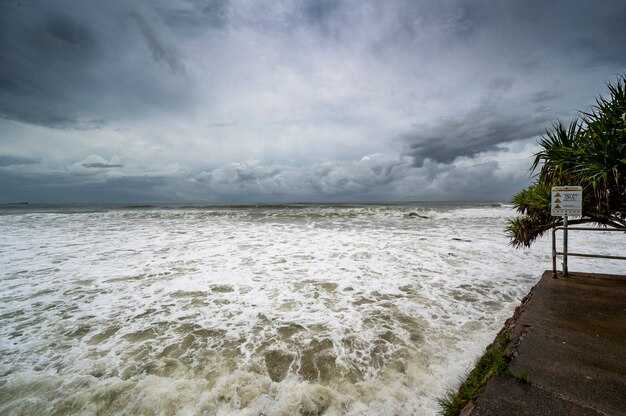
Plan now to start the recovery: map street-by-street damage, log affected homes and businesses, and set an order of priorities for cleanup. Sally ashore near Gulf Shores, Alabama, on September 16, 2020, delivered heavy rainfall and wind that overwhelmed drainage and cut across low-lying neighborhoods. This approach would help you coordinate with neighbors and local agencies, thats why you should begin today.
The event timeline provides a clear frame for preparedness: tropical depression to a hurricane, landfall, then inland movement along the regional corridor. The projected rainfall totals topped 20 inches in parts of the Florida Panhandle and southern Alabama, with lines of inundation stretching into Monroe and Wilcox counties.
Communities and people suffered extensive damage: homes flooded, streets blocked, and local businesses paused operations. The same storm disrupted construction crews and regional projects, delaying recovery in Monroe and Wilcox counties. Utility lines were down, schools canceled, and emergency services worked in shifts to reach affected neighborhoods. weve compiled official counts showing the storm’s broad impact across street networks and public infrastructure.
In the aftermath, residents can take concrete steps to prepare for future events: retrieve records from damaged documents, document losses for insurance and aid, and coordinate with local agencies in Wilcox and Monroe counties. Keep an eye on regional advisories and avoid risky construction sites until debris clearing completes. The lines of risk will shift as waters recede, so update your plan and discuss recovery activities with neighbors. sallys memory informs ongoing safety and resilience planning for people along the coast, ashore and inland.
Practical Coverage and Key Questions
Follow official alerts now, secure a plan, and assemble a 72-hour kit. If you are in a tropical zone, map evacuation routes and designate a meeting place for everyone, including a child. This guidance will allow you to act quickly and stay safe as responders coordinate relief.
Covering the event requires clarity on what is occurring along the coast on Wednesday and in the days that follow. Officials emphasized verified data, show exact wind speeds and rainfall totals, and mark zones where docks were destroyed. News teams explain what they can verify and what they still need to confirm.
Early preliminary data place landfall as Category 2 with sustained winds around 105 mph and widespread rainfall totals from 6 to 20 inches, with isolated pockets over 25 inches.
Majority of damage occurred in low-lying coastal zones, including destroyed homes, flooded roads, and a dock that collapsed after surge. Tourist areas faced closures that affected local economies and visitor access.
Key questions for readers and local audiences: how many people were displaced, how many shelters remain open, what is the status of roads and ports, and what is the exact toll so far? What lessons can households learn about preparedness and response for future storms?
Practical steps for reporters and agencies: verify data with emergency managers, the Coast Guard, and state transportation officials; publish preliminary counts with clear caveats; include maps, timelines, and contact details for help lines to assist everyone seeking guidance.
Direct Damages by County and Sector
Begin with a county- and sector-level damages audit within 48 hours of landfall, publish a transparent protocol, and appoint a director to oversee data collection and verification; prepare a public briefing about the initial findings.
Direct damages concentrate in gulf-facing counties along Alabama and Florida’s coast. The highest totals emerged in beachfront citys and inland routes feeding tourism and commerce, with the resulting description showing residential, commercial, and public infrastructure losses clustered along estuary corridors and hurricane zones.
In life-threatening flood zones, evacuations and sheltering orders limited exposure but increased the demand for temporary housing and debris removal, shaping the direct damages totals across counties.
Baldwin County, AL recorded the highest residential damage share, driven by roof failures, flood intrusion, and garage losses in coastal neighborhoods near the gulf-facing shore.
Mobile County, AL faced broad commercial and infrastructure impacts: hotel closures, business interruptions along major routes, and repair work that raised the sectoral cost burden.
Escambia County, FL experienced substantial losses in homes and rental properties, with long power outages and shortages of materials slowing reconstruction in the gulf-facing zone.
Santa Rosa County, FL saw critical repairs to roads and utilities, plus agricultural damages on inland farms that serve the citys and tourist areas along the coast.
Okaloosa County, FL recorded large repairs to vacation properties and public facilities, with shoreline erosion and dune restoration driving the highest sector costs.
Walton County, FL included citys along the coastline, where tourism disruptions and reconstruction of rental units and pier facilities dominated the direct damages tally.
Across sectors, residential losses accounted for the largest share, followed by commercial/industrial buildings, and then public infrastructure such as roads, drainage, and utilities. The transportation network required mobile crews to clear debris and restore routes, while utility repairs to power lines and water systems extended outage windows.
History from previous Gulf events shows patterns similar to laura in the sense that gulf-facing zones concentrate the greatest payout risk, which informs our priority on improved building codes and resilient design after this record event.
The August genesis of Sally and the gusts it delivered created a record wind load and blowing debris that tested building envelopes and exposed gaps in the local supply chain and shortages of materials available for quick repairs.
Power, Water, and Communications Disruptions: Outages and Restoration
Begin with a quick outage assessment and a three-day essentials plan that covers power, water, and communications. Noted outages in Sally’s path hit the Florida panhandles first, with pounding winds and heavy rain that snapped lines along coastal siding and knocked out an interstate corridor. During this period, resources from nearby towns arrived and responders coordinated with utility crews to clear hazards; exact timing varied by location, but June advisories warned of extended restoration in some coastal areas. Prepare now for where you are, and confirm a plan to connect with care teams and familiar neighbors quickly.
-
Power outages: Noted across the panhandles and interstate corridors, with restoration timelines ranging from 24 to 96 hours in many coastal communities; strong winds and debris slowed crews, and some rural segments required additional days.
-
Water disruptions: Boil-water advisories issued in multiple counties as pumping stations and treatment facilities faced outages; authorities prioritized critical facilities and hospitals, while residents prepared water reserves for through several days.
-
Communications outages: Cell towers and landlines impacted; mobile backhaul and satellite links were activated to restore service, with most areas regaining service within 24–72 hours, though unfamiliar neighborhoods and marina districts faced longer delays.
-
Restoration priorities: Utilities and responders focused on hospitals, shelters, water treatment plants, and port facilities along the interstate and coastal corridors; crews coordinated with Fort communities and local authorities to keep routes open for recovery, and officials issued remarks that emphasized rapid debris removal to accelerate progress.
-
Timing and coordination: Local incident commands used a shared protocol to stage crews near high-need zones, with Rappaport noting that early line clearance moved work forward in several districts; morgan-led teams provided situational updates to nearby counties to align resources together.
-
Field realities: Restoration moved in waves through populated areas and smaller towns; in some counties the exact window for full service depended on weather, available resources, and the condition of feeders serving key infrastructure like water plants and marinas.
Household actions you can take now to reduce risk and speed recovery: confirm safety on roads, prepare for delayed power, and keep critical contacts handy. Use the following steps and stay on top of official updates where available.
- Check outage maps and official alerts to verify status and expected timing for your area, especially if you reside near panhandles, Fort Morgan districts, or marina hubs.
- Safely operate any generator: place it outdoors, away from doors and siding, and use a CO detector in your living spaces; never backfeed power into a home panel.
- Conserve water and food supplies: boil water as advised and keep perishables in a cooler if refrigeration is unreliable; plan for a 3–5 day supply for each household member.
- Keep devices charged with a portable battery bank and solar charger where available; limit nonessential use to extend power through peak outage periods.
- Communicate with family and neighbors in unfamiliar areas and coordinate with responders if you have neighbors who need extra care; identify a meeting point where you can regroup if lines or networks fail.
- When road conditions allow, travel only on routes that are clearly open; emergency responders and interstate recovery crews prioritize safe access to affected communities and essential facilities.
These steps reflect the realities observed during the Sally period, including the panhandles shutdowns, sustained pounding winds, and the wide area of impact that required a coordinated response from local agencies and responders. By following a clear protocol, leveraging available resources, and staying connected with trusted contacts like the morgan and Fort-area teams, you can protect your family and help accelerate recovery through this period and into the future.
Emergency Response Timeline: Warnings, Evacuations, Shelters

Begin by issuing localized warnings along the most traveled lines and highway corridors within minutes of radar confirmation to trigger evacuations and mobilize responders.
On thursday, authorities warned residents along sallys projected path as radar data guided stage one evacuations. Monroe and nearby parishes opened major shelters, and transit teams coordinated bus routes to reduce congestion on highway corridors. Remaining inland counties prepared for localized flooding and evacuations as needed, protecting most vulnerable groups. In monroe, shelter operations began at sunup.
Shelters opened in localized facilities with safety protocols, ensuring beds, meals, and medical equipment are ready upon arrival. Responders directed traffic and volunteers staffed intake lines at major shelters, guiding families to safe spaces. Localized activities included daily check-ins and shuttle routes along highway corridors so evacuees reach shelters safely.
Minutes of response time were logged after Sallys passage to identify gaps and improve drills. Officials spoke about ongoing risk and safety updates. Rappaport, the emergency coordination lead, notes that most decisions prioritized safety and minimized delays in shelter intake and transport scheduling.
An earlier june drill tested shelter site locations and lines of communication, shaping the response plan and boosting readiness for future storms.
Economic Impact and Recovery: Small Businesses, Agriculture, and Housing
Activate rapid-relief funding and streamlined insurance processing to stabilize cash flow for coastal small business operations. Provide 60-day grants for payroll and rent with fast decisions, and add low-interest microloans to cover working capital during repairs. This combination supports recovering operations and reduces the risk of closures. In addition, coordinate with port authorities to keep a dock open and to restore cable and grid service in the hardest-hit districts, allowing faster resumption of trade. Winds along the coast can complicate early recoveries, so pair funds with debris removal and safety inspections to prevent new losses.
Small businesses faced damaged storefronts, loose debris, and supply-chain delays. Publish category-specific guidelines for eligibility and provide quick access to funding, which the local press can amplify. The recovery relies on another round of targeted grants, tax relief, and flexible insurance claims to allow repairs such as roof replacements and signage updates. When shops reopen, coordinate with regional distributors to secure new orders, including shipments from perdido ports to nashua-based markets, reducing backlogs. This approach indicated progress in early surveys and helped limit closures in several districts.
Agriculture suffered from natural hazards, flood damage, and market disruption. The combination of high winds, saltwater intrusion, and crop losses strained farms and packing facilities. In perdido counties on the coast, growers faced salt intrusion and delayed shipments. In addition to crop insurance, provide fast-grant relief to cover fertilizer, seed, and equipment repair, so producers can recover quickly. By june, covid-19 restrictions kept demand uncertain, but targeted support stabilized incomes and kept planting schedules on track. Individuals and cooperatives can synchronize with extension services to adjust practices and protect soils; some losses still resulted in reduced hay and dairy outputs, but local markets remained open.
Housing recovery requires rapid repairs, rental assistance, and resilient rebuilding. Add temporary housing options and streamline permits to speed construction; coordinate with lenders for forbearance and quick mortgage adjustments. In addition, prioritize repairs for affordable housing stock and multi-family buildings to prevent displacement. Remarks from officials and the press highlighted the need for clearer timelines and safer, longer-lasting rebuilds. Strengthening drainage and flood-proofing reduces risk for coastal families, delivering more stable homes and neighborhoods. Additionally, disasters build resilience against future events.
Long-term recovery hinges on a concrete plan that blends public funding, private investment, and community programs. Use a three-track dashboard to monitor small business stability, agricultural resilience, and housing adequacy, with clear metrics such as open shops, crop yields, and repaired homes. This strategy can activate funds quickly and align with individuals’ needs, while adjusting to change in market conditions. In june, early results showed improvements when coordination included insurers, lenders, and nonprofit groups. The plan indicates that a coordinated effort can limit additional losses and return communities to a recovering trend more rapidly.
Notable Interviews: Residents, Responders, and Officials

Prioritize a rapid damage check: document siding damage and water intrusion in Elberta and other outer areas, then mobilize temporary measures to keep areas from being swamped.
Residents describe the impact with concrete details: standing water in low spots, damaged roofs, and retreating ground moisture that slowed road access. They report longer outages as lines sagged and transformers failed, while family centers and small businesses pressed to maintain service for the community during recovery.
Responders and volunteers logged feedback through VOAD coordination, while the press helped relay urgent needs. This collaboration enabled faster reopen of essential services and better prioritization of taking shelter, food, and medical supplies to affected neighborhoods.
Officials presented a structured timeline, described the history of prior storms, and mapped damage by category across ground locations. The account highlights exterior damage in outer zones, including Elberta and nearby areas, and outlines how lines of communication and road access shaped emergency response.
For future coverage, emphasize content that captures description upon arrival, quantify rainfall averaging across communities, and document management decisions that guided field actions. Build a concise record of sallys impact across locations and the efforts of residents, responders, and officials to recover, so the history supports resilient planning in the next season.