


 Suomi
Suomi  English (UK)
  Русский
  العربية
  日本語
日本語  한국어
한국어  Magyar
  Türkçe
  Español
  Čeština
  Svenska
  Português
  Ελληνικά
  Nederlands
  Română
  Italiano
  Français
  Polski
  Українська
  Deutsch
  简体中文
简体中文  Slovenčina
 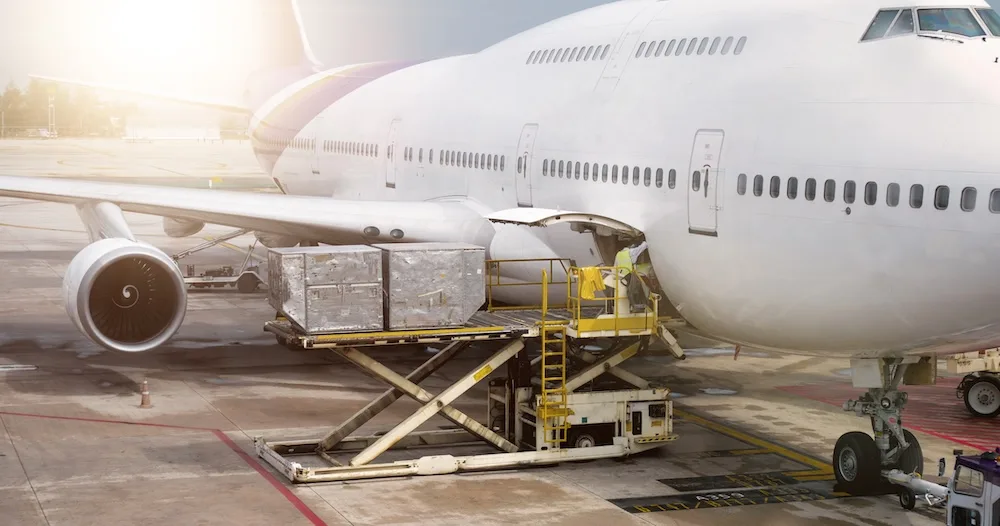 How the UPS MD-11 Crash Is Shaping Global Airfreight Rates and Capacity">

Lentomarkkinat reagoivat kasvavaan kapasiteetin epävarmuuteen
Viimeaikainen nousu globaalit lentorahtihinnat on herättänyt huomiota, suurelta osin odottamattoman tapahtuman seurauksena, joka on järisyttänyt rahtilentoliikennettä. Baltic Air Freight Index (BAI00) nousi 21 % viikossa, supistaen vuosittaisen laskun vain -3,71 %:iin. Nämä luvut maalaavat varovaisen optimistisen kuvan ajanjaksosta, josta voi tulla myrskyisä lentorahtikapasiteetille maailmanlaajuisesti.
UPS MD-11 -onnettomuus ja sen heijastusvaikutus rahtikapasiteettiin
UPS:n MD-11 -rahtikoneen traaginen onnettomuus Louisvillessa on käynnistänyt merkittävän alan reaktion: kaikkien MD-11 -rahtikoneiden välittömän lentokiellon useilla suurilla liikennöitsijöillä, mukaan lukien UPS, FedEx ja Western Global. Tämä varotoimenpide aiheuttaa järkytyksen globaali lentorahtilogistiikka, erityisesti tiheillä Tyynenmeren ylittävillä reiteillä, joilla näillä rahtikoneilla on keskeinen rooli. Äkillinen saatavilla olevien lentokoneiden väheneminen merkitsee, että kapasiteetti on tiukempi kuin koskaan, ja vaikutukset hintoihin ja aikatauluihin voivat kasvaa nopeasti lumipalloefektin tavoin.
Alueelliset hintaerot heijastavat markkinoiden dynamiikkaa
Alueellisten korkoliikkeiden tarkastelu paljastaa monimutkaisen kokonaisuuden. Kiinan ulkomaanmatkailu Yhdysvaltoihin suuntautuvilla reiteillä hinnat laskivat, kun taas Kiinasta suuntautuvien lähetysten maksut Eurooppa nousi. Pohjois-Aasian reiteillä oli samankaltainen kehitys, ja ne kasvattivat rahtimääriään Australiaan, Intiaan ja Meksikoon. Hongkongin rahtireitit ovat erityisen vahvassa vedossa ja ovat elpyneet lähes edellisvuoden tasolle merkittävällä 3,7 prosentin viikoittaisella kasvulla BAI30-indeksissä.
| Alue | Reitti | Trendin suunta |
|---|---|---|
| Kiinasta Yhdysvaltoihin | Lähtevät lentorahtilähetykset | Alaspäin |
| Kiinasta Eurooppaan | Lähtevät lentorahtilähetykset | Ylöspäin |
| Pohjois-Aasiasta Australiaan/Intiaan/Meksikoon | Lähtevät lentorahtilähetykset | Ylöspäin |
| Hong Kong | Useita pääväyliä | Vahva nousu (~+3,71 % viikossa) |
| Euroopasta Yhdysvaltoihin | Transatlanttiset reitit | Ylöspäin |
| Yhdysvalloista Eurooppaan | Lähtevät lentorahtilähetykset | Mixed |
Eurooppalaiset ja pohjoisamerikkalaiset suuntaukset
Lentokuljetukset Euroopasta ovat kasvussa Atlantin yli Yhdysvaltoihin, joka on toinen MD-11-liikenteen hotspot, ja hinnat nousevat Australiaan, Intiaan, Meksikoon ja Etelä-Afrikkaan. Muissa kanavissa, kuten Euroopasta Kiinaan ja Japaniin, hinnat olivat jälleen paineen alla. Lontoosta Heathrow'sta rahtihinnat nousivat jyrkästi 151 % viikossa, palaten positiiviseksi edellisvuoteen verrattuna huomattavan laskun jälkeen. Atlantin toisella puolella Yhdysvalloista lähtöisin olevien rahtihintojen kehitys on kahtiajakoinen: nousua Eurooppaan ja Etelä-Amerikkaan suuntautuvilla reiteillä, mutta selvää laskua Kiinaan ja Etelä-Koreaan suuntautuvilla reiteillä.
Kapasiteettipulmat kohtaavat sesonkikohtaisen kysynnän huipun
Vaikka tyypilliset sesonkisyklit yleensä nostavatkin hintoja jonkin verran, tämän vuoden MD-11 -koneiden lentokiellosta johtuva kapasiteettipula tuo tarinaan oman lisänsä. Markkinatoimijat seuraavat tarkasti, miten kapasiteettirajoitukset saattavat nostaa rahtikustannuksia, erityisesti aikaherkkien lähetysten osalta. Tilanne on kuin “kun sataa, niin kaataa”, ja logistiikkasuunnittelijat kamppailevat sopeutuakseen näihin äkillisiin muutoksiin välttääkseen kalliita häiriöitä.
Vaikutukset logistiikkamaailmalle
Tavarankuljetuksen ja huolinnan parissa työskenteleville tämä kehittyvä lentorahtiala on hyvä huomioida. Lentorahtikapasiteetin kiristyminen vaikuttaa yleensä koko toimitusketjuun, nostaen rahtikustannuksia ja mahdollisesti pidentäen toimitusaikoja. Aasiasta ja Euroopasta nousevat hinnat korostavat älykkään logistiikkasuunnittelun tarvetta – kustannusten tasapainottaminen ja toimitusmääräaikojen noudattaminen voi olla hankala tasapainoilu. Esimerkiksi alustat kuten GetTransport.com paikkaamaan tätä aukkoa tarjoamalla joustavia ja edullisia ratkaisuja maailmanlaajuisiin rahtikuljetuksiin, olipa kyseessä sitten toimistojen siirrot, suurikokoisten tavaroiden toimitus tai ajoneuvojen kuljetus.
- Globaalit lentorahtihinnat vaihteleva UPS:n MD-11-koneiden lentokiellon jälkeen
- Vaihtelevaa alueellista hinnoittelua ja Aasian ja Euroopan välisten hintojen nousua
- Suuremmat haasteet aikaherkän rahdin kuljetuksissa Tyynenmeren reiteillä
- Tarve innovatiivisille logistiikkaratkaisuille kapasiteettihäiriöiden ratkaisemiseksi
Inhimillinen tekijä: Kokemus voittaa datan yksinään
Numerot ja markkinatiedot antavat laajan kuvan, mutta mikään ei voita omakohtaista kokemusta näissä muuttuvissa virtauksissa navigoitaessa. Edes terävimmät arviot ja tarkimmat indeksit eivät voi korvata henkilökohtaista näkemystä, joka on saatu rahtilähetyksiä liikkeelle laitettaessa. Kun GetTransport.com, rahdinlähettäjät voivat käyttää läpinäkyvää ja kätevää alustaa vertaillakseen uusimpia rahtivaihtoehtoja maailmanlaajuisesti – kaikki kilpailukykyisin hinnoin. Tämä mahdollistaa älykkäämmät valinnat ilman tavallisia päänsärkyjä tai yllättäviä kustannuksia. Se on täydellinen esimerkki siitä, miten teknologia voi helpottaa logistista jonglöörausta.
Varaa kyyti osoitteessa GetTransport.com saadaksesi luotettaviin, edullisiin ja monipuolisiin rahtikuljetuksiin maailmanlaajuisesti.
Tulevaisuuteen katsoen: Mitä tämä merkitsee globaaleille logistiikkatrendeille
Vaikka tämä hintojen nousu ja kapasiteetin puristus saattaa vaikuttaa vain ohimenevältä ilmiöltä globaalissa rahtiliikenteessä, se on tärkeä muistutus siitä, kuinka herkkiä merireitit ovat odottamattomille tapahtumille. Maailmanlaajuisesti tämä ei välttämättä mullista olemassa olevia logistiikan paradigmoja, mutta se korostaa joustavuuden ja nopean sopeutumisen tarvetta rahtivirtojen hallinnassa. GetTransport.com tunnistaa nämä muutokset ja on edelleen sitoutunut auttamaan yrityksiä ja yksityishenkilöitä pysymään oikealla tiellä muuttuvien haasteiden keskellä. Aloita seuraavan toimituksesi suunnittelu ja turvaa rahtisi GetTransport.comin avulla.
Yhteenveto ja päätelmät
Viimeaikaiset tapahtumat, erityisesti UPS MD-11 -onnettomuus, ovat tiukentaneet maailmanlaajuista lentokuljetuskapasiteetti, mikä nosti lentorahtihintoja tärkeimmillä alueilla. Vaikka hinnat laskivat Kiinasta Yhdysvaltoihin, muilla kauppareiteillä, erityisesti Aasian ja Euroopan sekä Euroopan ja Yhdysvaltojen välisillä reiteillä, nähtiin merkittäviä nousuja. Tämä dynaaminen ympäristö korostaa, kuinka hauraita rahtiverkostot voivat olla äkillisten kapasiteetin vähennysten edessä. Lentorahtihintojen ilme muuttuu, mikä haastaa logistiikkapalveluiden tarjoajat löytämään tehokkaita, oikea-aikaisia ja kustannustehokkaita ratkaisuja pitääkseen globaalit toimitusketjut sujuvana.
Alustat kuten GetTransport.com tarjoavat monipuolisenportin näiden logistiikkatarpeiden hallintaan – olipa kyse toimistotarvikkeiden, raskaiden huonekalujen, ajoneuvojen tai suurten pakettien kansainvälisestä siirrosta. Hyödyntämällä tätä alustaa lähettäjät voivat taklata rahti-, lähetys- ja jakeluhaasteet luottavaisin mielin, kustannustehokkaasti ja vaivattomasti, mikä helpottaa kuin koskaan aikaisemmin tasaisen toimituksen tiellä olevien kuoppien ylittämistä.