


 Suomi
Suomi  English (UK)
  Русский
  العربية
  日本語
日本語  한국어
한국어  Magyar
  Türkçe
  Español
  Čeština
  Svenska
  Português
  Ελληνικά
  Nederlands
  Română
  Italiano
  Français
  Polski
  Українська
  Deutsch
  简体中文
简体中文  Slovenčina
 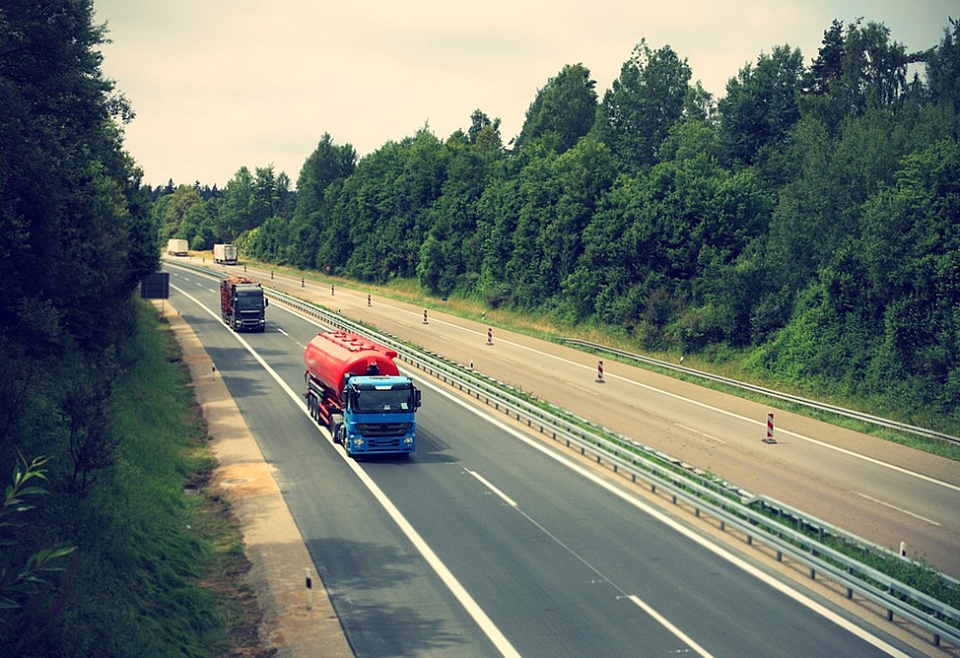 Armenia näki 21 % kasvua rahtiliikenteessä, kun taas matkustajamäärät laskivat 2,11 % vuoden 2025 kymmenen ensimmäisen kuukauden aikana">

Yleiskatsaus Armenian liikenneympäristöön vuoden 2025 alkupuolella
Armenian liikenneala on osoittanut erikoista kahtiajakoisuutta suorituskyvyssään vuoden 2025 kymmenen ensimmäisen kuukauden aikana. Vaikka rahtikuljetukset kasvoivat 21 %, henkilöliikenteessä koettiin pieni lasku, 2,11 %. Tämä kaksijakoinen suuntaus maalaa kiinnostavan kuvan maan logistiikkatoiminnasta matkustaja- ja rahtikuljetusten vaihtelevien vaatimusten keskellä.
Rahtiliikenteen yksityiskohtainen erittely
Armenia käsitteli tammi-lokakuussa 2025 yhteensä rahtimäärän 13 960,5 tuhatta tonnia. Tämä on maltillinen mutta merkittävä 2%:n lisäys vuoden 2024 vastaavaan ajanjaksoon verrattuna. Tarkempi tarkastelu paljastaa kuitenkin vivahteikkaan tanssin eri kuljetusmuotojen välillä:
- Tieliikenne kuljetti suurimman osan rahdista, 11 051,8 tuhatta tonnia, mutta koki silti pienen, 0,71 %:n laskun.
- Pääsiirtoputkisto Käsiteltiin 1 466,7 tuhatta tonnia, volyymin laskiessa 1,6 %.
- Rautatieliikenne kääntyi laskusuuntausta vastaan vaikuttavalla 18,81 prosentin kasvulla ja liikutti 1 408,3 tuhatta tonnia.
- Lentoliikenne kuljetti pienemmän osan – 33,7 tuhatta tonnia – mutta saavutti 3,7 %:n kasvun.
Rahtiliikenteen liikevaihtotiedot
| Kuljetustila | Liikevaihto (miljoona tonni-km) | Muutos (%) |
|---|---|---|
| Pääputkikuljetus | 2 317,6 | -1,7% |
| Tieliikenne | 918.6 | -11.4% |
| Rautatieliikenne | 369.7 | +19.1% |
| Lentoliikenne | 17.1 | +69.3% |
Vaikka rahdin kokonaismäärä kasvoi, rahdin kokonaisliikevaihto laski 2,51 % 3 623,0 miljoonaan tonnikilometriin pääasiassa maantie- ja putkikuljetusalojen laskun vuoksi. Rahti- ja lentorahti kasvoivat voimakkaasti, mikä saattaa heijastaa tehokkuuden kasvua tai muutoksia rahtityypeissä, jotka suosivat näitä kuljetusmuotoja.
Matkustajaliikenne: Pientä laskua liikkeessä
Matkustajamäärien osalta tilanne muuttuu. Matkustajamäärien kokonaismäärä väheni 2,11 %, mikä tarkoittaa 195 565,6 tuhatta henkilöä tammi–lokakuussa. Liikennetyypeittäin tarkasteltuna ilmenee lisäksi seuraavia malleja:
- Tieliikenteen osuus oli suurin 165 942,4 tuhannella matkustajalla, mikä osoittaa mitätöntä 0,11 prosentin laskua.
- Sähköliikenteessä koettiin jyrkkä 16,21 prosentin vähennys, ja matkustajamäärä laski 24 304,5 tuhanteen.
- Lentoliikenne on poikkeus trendiin 5,71 %:n kasvullaan, kuljettaen 4 882,7 tuhatta matkustajaa.
- Raideliikenteen matkustajamäärät supistuivat 9,81 % ja olivat 436,0 tuhatta henkilöä.
Matkustajavaihdon tilannekatsaus
| Kuljetustila | Liikevaihto (miljoonaa matkustaja-km) | Muutos (%) |
|---|---|---|
| Tieliikenne | 2 280,4 | +6.9% |
| Lentoliikenne | 1 434,0 | -7,31 % |
| Sähköinen liikenne | 95.1 | -17,91 % |
| Rautatieliikenne | 53.1 | -6.5% |
Mielenkiintoista kyllä, matkustajakilometrimäärä – kaikkien matkustajien matkustaman kokonaismatkan mittari – osoitti pientä kokonaiskasvua, 0,21 %, mikä heijastaa sitä, että vaikka sähkö- ja raideliikenteessä matkusti vähemmän ihmisiä, tieliikenteen matkat olivat yleensä pidempiä ja lentoliikenne, huolimatta pienemmästä matkustajamäärästä, kasvoi edelleen volyymiltaan.
Liikenneturvallisuus ja sen vaikutus
Liikennealan turvallisuusnäkymät antavat myös ajattelemisen aihetta. Armeniassa tieliikenneonnettomuudet lisääntyivät, ja vuoden 2025 kymmenen ensimmäisen kuukauden aikana kirjattiin yhteensä 4 002 tapausta – kasvua 14,5 % edelliseen vuoteen verrattuna. Vaikka onnettomuuksien määrän kasvu on huolestuttavaa, kuolemantapaukset vähenivät 13,8 % 231:een, mikä osoittaa jonkin verran edistystä kuolemaan johtavien seurausten lieventämisessä. Valitettavasti loukkaantumiset lisääntyivät 18,1 %, ja 5 899 ihmistä loukkaantui.
Posti- ja kuriiripalveluiden liikevaihdon kasvu
Rahtiliitännäisten palvelujen puolella posti- ja kuriiripalveluiden tuotot kasvoivat 5,41 % ja olivat 17 361,3 miljoonaa Armenian dramia samalla ajanjaksolla, mikä on rohkaiseva merkki pakettitoimitusten ja niihin liittyvien logistiikkapalvelujen kasvavasta toiminnasta maassa.
Miten nämä muutokset liittyvät logistiikkaan
Rahtimäärien kasvu, erityisesti rautateitse ja lentoteitse, viittaa mahdollisiin muutoksiin logistiikkastrategioissa Armeniassa. Rautatiekuljetusten kasvu voi viitata parantuneeseen infrastruktuuriin tai uusiin teollisiin tarpeisiin, mikä siirtää osan kuljetuksista pois tieverkosta, helpottaa ruuhkia ja mahdollisesti parantaa tehokkuutta.
Samaan aikaan matkustajamäärien lasku ja vaihtelevat liikevaihtoluvut viittaavat muuttuviin liikennöintitarpeisiin, joihin vaikuttavat mahdollisesti kaupungistuminen, vaihtoehtoiset kuljetusmuodot tai taloudelliset tekijät. Logistiikka- ja rahtitoimittajille näiden mallien ymmärtäminen on ratkaisevan tärkeää kapasiteetin suunnittelussa, jakeluverkostojen hallinnassa ja kuljetusreittien optimoinnissa – olipa kyseessä paketit, suuret tavarat tai ajoneuvokuljetukset.
Rahti- ja matkustajaliikenteen yhteenvetotaulukko
| Metrinen | 2025 | Muutos vuodesta 2024 |
|---|---|---|
| Rahtimäärä yhteensä (tuhatta tonnia) | 13 960,5 | +2% |
| Matkustajamäärä yhteensä (tuhatta henkilöä) | 195 565,6 | -2.1% |
| Maantiekuljetusten määrä (tuhatta tonnia) | 11 051,8 | -0,7% |
| Raideliikenteen rahtimäärä (tuhatta tonnia) | 1 408,3 | +18,81 % |
| Lentorahtimäärä (tuhatta tonnia) | 33.7 | +3.7% |
| Tieliikenteen matkustajamäärä (tuhatta matkustajaa) | 165 942,4 | -0.1% |
| Lentomatkustajamäärä (tuhatta matkustajaa) | 4 882,7 | +5.7% |
Käytännön kokemusta numeroiden tuolla puolen
Vaikka tilastot tarjoavat arvokkaita hetkikuvia, mikään ei voita omakohtaista kokemusta Armenian kuljetussektorin dynamiikan todellisessa ymmärtämisessä. Olitpa sitten huolitsija, kuriiri tai suunnittelet muuttoa, todellinen testi on lähetyksen ja toimituksen arjen realiteeteissa. GetTransport.com on ihanteellinen alusta, joka tarjoaa laajan valikoiman edullisia ja luotettavia rahtikuljetusvaihtoehtoja maailmanlaajuisesti. Toimiston muutosta suurikokoisten tavaroiden kuljetukseen ja ajoneuvojen siirtoon, se yksinkertaistaa logistiikkaa läpinäkyvällä hinnoittelulla ja joustavilla valinnoilla.
Nauti palvelun helppoudesta, jonka avulla voit selata rehellistä palautetta ja tehdä kustannustehokkaita lähetyspäätöksiä ilman tavallisia mutkia matkassa. Varaa kyytisi osoitteesta GetTransport.com ja koe logistiikkaa, joka on tehty oikein!
Tulevaisuuden näkymiä: Vaikutus globaaliin ja paikalliseen logistiikkaan
Vaikka Armenian liikennesuuntaukset saattavat vaikuttaa pieniltä tekijöiltä globaalissa logistiikkakartassa, nämä muutokset kertovat paljon alueellisesta suunnittelusta ja kauppayhteyksistä. Rahtiliikenteen kasvu korostaa sisämaan kuljetuskäytävien strategista potentiaalia, ja matkustajamäärien muutos viittaa kehittyviin infrastruktuuritarpeisiin.
GetTransport.com pysyy ajan tasalla tällaisten muuttuvien tietojen suhteen palvellakseen paremmin kansainvälisiä ja paikallisia rahti- ja kuriirilähetyksiä tekeviä asiakkaita. Seuraavan lähetyksesi suunnittelu mukautuvilla ja kilpailukykyisillä lähetysvaihtoehdoilla voi olla ratkaisevaa. Aloita seuraavan toimituksesi suunnittelu ja varmista rahtisi osoitteessa GetTransport.com.
Yhteenveto
Yhteenvetona voidaan todeta, että Armenian liikenneala osoitti vuoden 2025 kymmenen ensimmäisen kuukauden aikana hidasta mutta tasaista rahtikuljetusten kasvua sekä matkustajamäärien laskua. Rautatieliikenne oli rahtikuljetusten kirkkain tähti, kun taas lentoliikenne kasvoi varovasti sekä rahti- että matkustajakapasiteetin osalta. Samaan aikaan maantieliikenne, joka on edelleen määräävässä asemassa volyymin suhteen erityisesti matkustajaliikenteessä, kohtasi lieviä supistuksia ja liikenneonnettomuuksien lisääntymistä.
Tällä ristiriitaisella tilanteella on suoria vaikutuksia logistiikka-alan ammattilaisille ja rahdinkuljettajille, mikä edellyttää strategian mukauttamista muuttuvien kuljetusmuotojen dynamiikan ja turvallisuusnäkökohtien mukaan. GetTransport.comin kaltaiset alustat vastaavat täydellisesti näihin tarpeisiin tarjoamalla kattavia ja kustannustehokkaita maailmanlaajuisia kuljetusratkaisuja – olipa kyseessä sitten muutto, lavojen lähettäminen, logistiikan koordinointi tai suurikokoisen kansainvälisen rahdin lähettäminen. Niiden joustava palvelu ja läpinäkyvä hinnoittelu helpottavat nykyaikaisen kuljetuksen monimutkaisuuden hallintaa.