


 Suomi
Suomi  English (UK)
  Русский
  العربية
  日本語
日本語  한국어
한국어  Magyar
  Türkçe
  Español
  Čeština
  Svenska
  Português
  Ελληνικά
  Nederlands
  Română
  Italiano
  Français
  Polski
  Українська
  Deutsch
  简体中文
简体中文  Slovenčina
 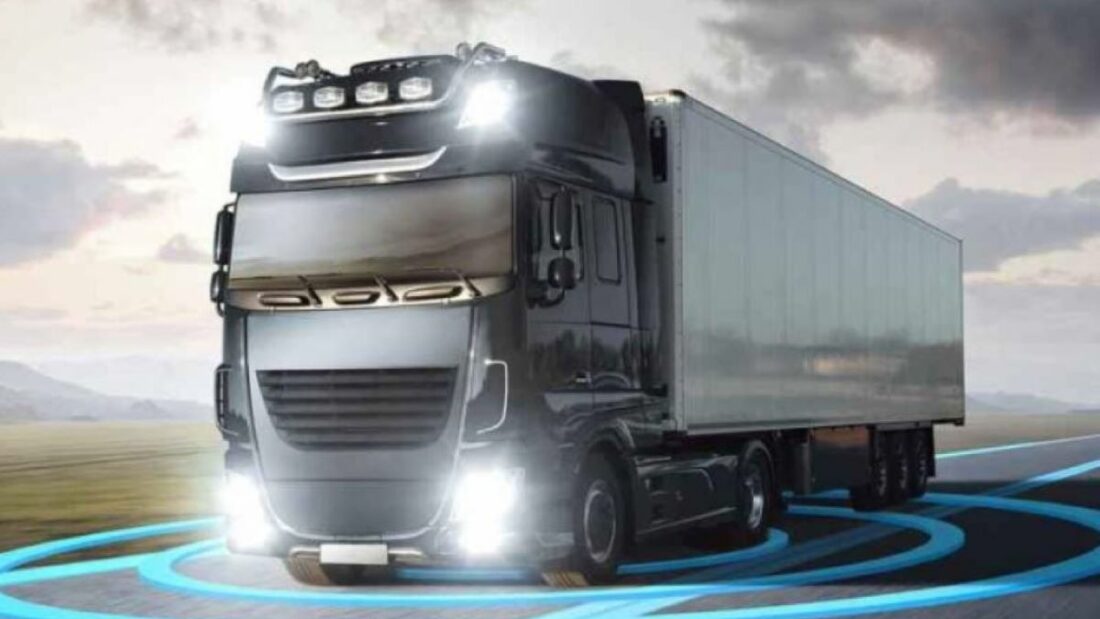 Miten autonomiset rekat mullistavat rahtikuljetukset ja leikkaavat kustannuksia jopa 30 %:lla">

Introduction to the Autonomous Truck Revolution
The logistics industry is undergoing a seismic shift, thanks to the rise of autonomous trucks. These self-driving workhorses promise significant savings and new operational efficiencies that could redefine how goods move worldwide.
Economic and Operational Benefits
Autonomous trucks are not just a glimpse of the future—they are poised to deliver concrete advantages today, especially in terms of cost and asset utilization. Analysts project that by 2035, autonomous truck fleets could command a staggering global market worth around 552 billion euros, with annual growth rates north of 10%.
These trucks bring the capability to operate around the clock without traditional driver limitations, which rapidly boosts asset utilization. Imagine your fleet running nonstop, slashing delays, and ensuring freight moves faster and more predictably.
From a financial perspective, transportation costs could drop by as much as 30%. That’s no small potatoes—imagine trimming nearly a third of your haulage expenses simply by embracing this technology.
Environmental Edge and Sustainability
Fuel efficiency climbs significantly with autonomous trucking technology, reducing “dead miles” where trucks run empty or inefficiently. Such improvements align perfectly with tightening environmental standards and the push for greener logistics strategies.
The integration of electric or hydrogen-powered autonomous trucks only adds fuel to this fire, accelerating the sector’s move towards zero emissions. With growing attention on sustainability certifications like LEED, logistics operations will gain more than cost savings—they’ll improve their environmental footprint.
Key Advantages of Autonomous Trucks in Sustainability
- Optimized routing reduces fuel consumption
- Continuous operation lessens idling times and congestion
- Potential for zero-emission powertrains integration
- Support for stricter environmental certifications
Implications for Logistics Infrastructure
The trucking revolution is also stirring seismic changes beyond the trucks themselves. Logistics hubs and warehouses—the nerve centers of freight distribution—will need to evolve. Forward-thinking designs include high-speed charging stations suited for electric autonomous vehicles and automated loading systems to keep pace with increased shipping volumes.
This shift towards “smart logistics centers” means companies must adapt their assets to remain competitive in a digital-first market. Consulting firms specializing in logistics asset transformation play a pivotal role in guiding this transition, ensuring warehouses are future-proof, sustainable, and perfectly tuned for autonomous fleets.
Regulatory Landscape and Challenges
While technological advances are on the fast track, regulatory frameworks remain a critical hurdle. Without clear, robust rules covering safety standards, liability issues, and interoperability, the deployment of autonomous trucks—especially at scale—is facing delays in many regions.
Regulatory bodies are tasked with crafting regulations that protect public safety while fostering innovation. Until these frameworks catch up with technology, broad adoption will remain cautiously paced.
Table: Challenges vs. Opportunities of Autonomous Trucks
| Haasteet | Opportunities |
|---|---|
| Regulatory uncertainty in many countries | Up to 30% transport cost reduction |
| Need for infrastructure upgrades (charging, automation) | 24/7 fleet operation enhancing asset use |
| Safety and liability concerns to be addressed | Improved sustainability with electric/hydrogen integration |
| High upfront investment for technology and facilities | Potential market growth to over €500 billion by 2035 |
The Road Ahead: Autonomous Trucks and Logistics Strategy
The autonomous truck wave carries profound implications for global freight transport. Logistics providers, shippers, and asset managers alike need to rethink their models—from fleet management to warehouse design and regulatory engagement.
Transforming traditional logistics hubs into intelligent platforms will be just as crucial as adopting autonomous vehicles themselves. Together, these innovations promise a freight system that’s leaner, greener, and more agile.
Insights and Real-World Impact
While studies and projections offer exciting forecasts, nothing beats firsthand experience on the ground. On platforms like GetTransport.com, businesses can tap into reliable and affordable international cargo transport featuring diverse services—from moving offices or bulky goods to vehicle transportation—bringing ambitious logistics plans into reality.
GetTransport.com’s transparency in pricing and vast network ensures users avoid unnecessary expenses or setbacks, helping logistics professionals make savvy, confident decisions backed by real options.
Book your cargo transportation at unbeatable prices worldwide and experience how advanced transport solutions can elevate your operations. Hanki parhaat tarjoukset osoitteesta GetTransport.com.
Yhteenveto
Autonomous trucks stand on the brink of reshaping the freight and logistics landscape, offering up to a 30% cut in transportation costs while boosting operational efficiency and sustainability. The ripple effects touch infrastructure, regulatory policies, and environmental strategies, making this transformation a multifaceted journey.
As self-driving fleets grow and logistics centers smarten up, companies will find new ways to meet the constantly evolving demands of global shipping—whether hauling containers, managing international shipments, or coordinating complex deliveries.
Alustat kuten GetTransport.com provide vital support in this evolving scene, offering cost-effective, dependable freight, courier, and forwarding solutions across all shipment sizes and types. From parcel and pallet transport to heavy-duty bulky goods, they help bridge the gap between emerging tech and real-world logistics needs seamlessly.
The age of autonomous trucks is not just on the horizon; it’s driving directly into the heart of modern transport and supply chain management.