


 Suomi
Suomi  English (UK)
  Русский
  العربية
  日本語
日本語  한국어
한국어  Magyar
  Türkçe
  Español
  Čeština
  Svenska
  Português
  Ελληνικά
  Nederlands
  Română
  Italiano
  Français
  Polski
  Українська
  Deutsch
  简体中文
简体中文  Slovenčina
 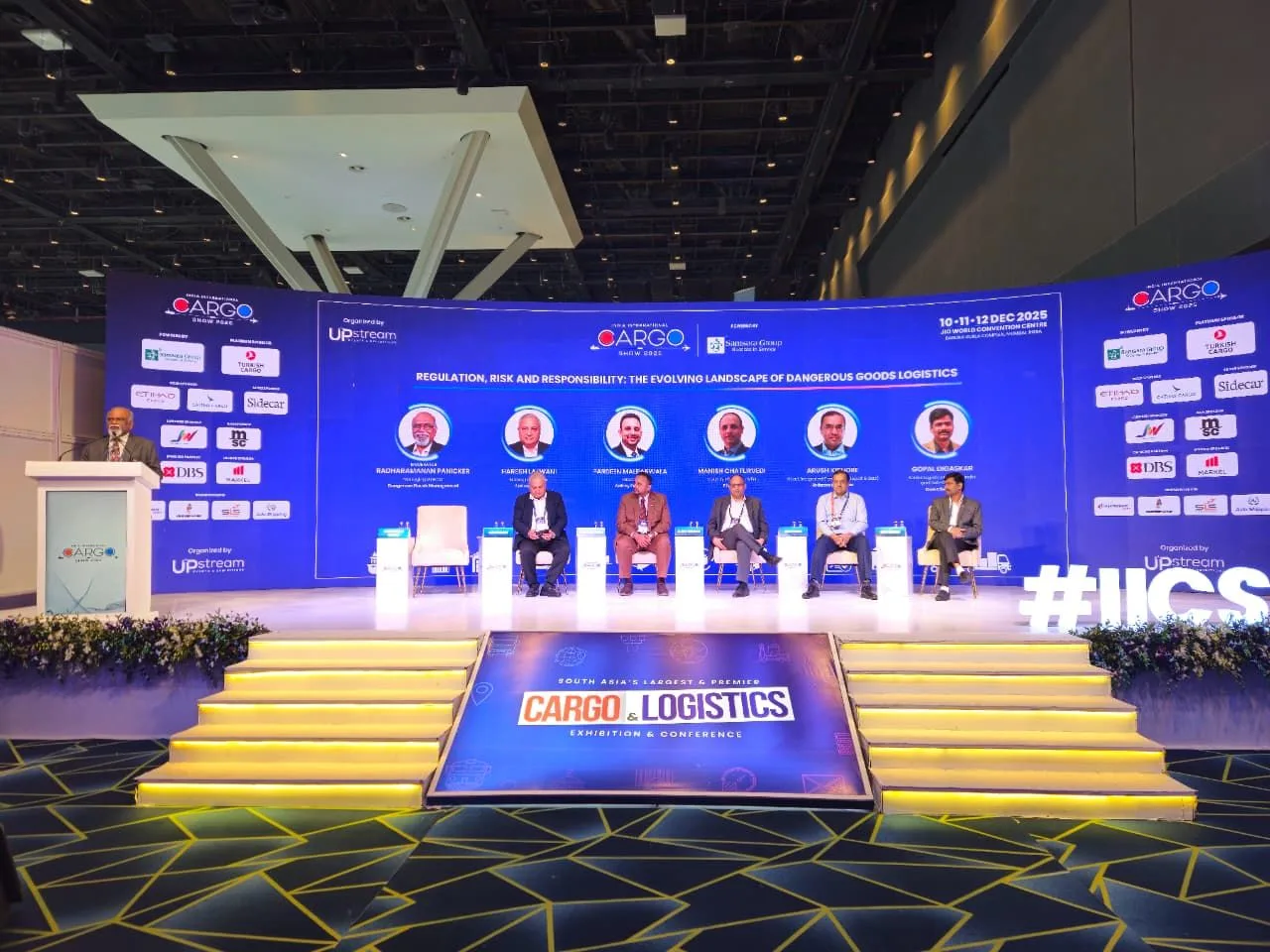 Vaarallisten aineiden käsittelystä on tulossa keskeinen mittapuu modernissa toimitusketjun hallinnossa">

The Rising Importance of Dangerous Goods in Global Logistics
Handling dangerous goods has stepped out of the shadows to become a major litmus test for supply chain governance worldwide. It’s no longer about ticking boxes on compliance checklists; it’s about embedding safety and accountability into the fabric of logistics operations. With regulatory landscapes tightening and the stakes rising, companies are realizing that excellence in dangerous goods management signals logistics maturity and operational resilience.
From Specialized Function to Strategic Priority
The handling of dangerous goods—chemicals, pharmaceuticals, energy-related cargo—has long been seen as a highly specialized niche, managed mainly by compliance teams. However, this function is fast evolving into a core strategic measurement of how well an organization or nation can govern risks across their supply chains. Global regulators, including ICAO, IATA, and IMO, alongside local authorities, have ramped up demands for accuracy in declaration, packaging, and multimodal transport handling, pushing the entire industry to sharpen its game.
Why Compliance Alone No Longer Cuts It
Regulatory scrutiny has become tougher, shrinking the margin for errors or procedural shortcuts. Companies apprehending this shift know they cannot rely on occasional external audits or certifications alone. Instead, they need to bolster internal capabilities and pursue consistent safety governance. Managing dangerous goods today calls for intertwining operational, commercial, and safety functions into a shared accountability model, ensuring that every player in the logistics chain holds their piece of the puzzle with due diligence.
Embedding Safety Culture: Beyond Checklists
Moving away from seeing dangerous goods handling as just paperwork and regulations, leading organizations are fostering an ingrained culture of safety. This shift involves comprehensive front-line training, strict acceptance protocols, and audit-ready documentation that resist any form of laxity. Misdeclared cargo, for instance, remains one of the most frequent operational risks and can spiral into serious safety incidents, financial penalties, and reputation damage.
Shared Accountability Across the Supply Chain
One weak link in the dangerous goods chain—be it in documentation, packing, or handling—puts the entire operation at risk. Forward-looking companies now emphasize joint audits, transparent incident reporting, and harmonized safety standards across partners. This collaborative approach spans regional borders, reflecting the global nature of supply chains today and the need for consistent risk mitigation practices.
| Aspect | Old Approach | New Approach |
|---|---|---|
| Vaatimustenmukaisuus | Checklist and siloed specialty | Integrated safety culture with shared accountability |
| Dokumentaatio | Manual and error-prone | Digital declarations and automated validation |
| Riskienhallinta | Reactive and fragmented | Proactive governance and predictive engineering |
| Operatiivinen painopiste | Procedural adherence | Continuous capability building and real-time traceability |
Technology: The New Backbone of Dangerous Goods Handling
Documentation errors are a persistent Achilles heel in dangerous goods logistics. Even a small mistake like a wrong UN number or inaccurate packing detail can ignite cascading failures across multimodal transport networks. The industry is thus racing towards digital transformation—adopting real-time tracking, automated compliance checks, and harmonized digital standards to enhance visibility and reduce human error.
Digital systems are not mere conveniences but vital trust-builders between regulators, carriers, and shippers. In a world where cargo crosses multiple borders and modes of transport, digital traceability serves as the backbone for compliance assurance and operational confidence.
Engineering Precision for High-Risk Cargo
Taking dangerous goods like liquid and gas shipments from petrochemical sectors as an example, it’s clear that compliance is only the starting line. Operational safety demands engineering precision—with tank integrity, valve reliability, thermal controls, and route-risk analysis all playing crucial roles. Predictive maintenance, certified equipment, and rapid emergency-response mechanisms are becoming essential investments as hazardous cargo volumes surge worldwide.
Implications for Global Logistics and Supply Chain Resilience
The integration of dangerous goods handling protocols into broader supply chain governance frameworks means logistics providers must rethink their entire risk landscape. Effective DG management no longer exists in a vacuum; it directly impacts commercial credibility, regulatory trust, and ultimately, competitive positioning on the global stage.
From a logistics perspective, this means transport companies, freight forwarders, and warehouse operators are tasked with significantly enhancing their operational discipline and safety reliability. The pressure to deliver flawlessly is intensifying as lapses can lead to severe environmental, safety, and business consequences.
Shared Accountability in a Multimodal World
Given the often complex journeys dangerous goods undertake—shifting from air freight to road haulage to sea containers—a multilayered accountability framework is crucial. Transparent, joint safety processes and standardized operational protocols across all parties keep the chain robust and protect against vulnerable weak spots.
Why Experience Trumps Even the Best Reviews in Dangerous Goods Logistics
While industry insights and compliance best practices set a solid foundation, hands-on experience in handling high-risk cargo reveals nuances that no report or certification can fully capture. Real-world challenges, problem-solving, and adapting to evolving regulations forge the true expertise that underpins safe and efficient logistics operations.
For businesses and individuals seeking reliable and affordable cargo transportation services, platforms like GetTransport.com offer access to a global network of transport providers skilled in managing a variety of shipments—including hazardous, bulky, and complex cargo. Featuring transparent pricing and extensive choices, such platforms enable shippers to make informed, cost-effective decisions without the guesswork or unnecessary expense.
Varaa kyyti kanssa GetTransport.com today and experience how convenience, reliability, and global reach can simplify your supply chain logistics.
Summing It Up: Dangerous Goods Handling and the Future of Logistics
In summary, dangerous goods handling has emerged as a decisive benchmark for supply chain governance, blending regulatory rigor with technological innovation and an embedded culture of safety. The shift from compliance tick-boxes to integrated governance signals a new era where logistics maturity is measured by how well an organization anticipates, manages, and mitigates high-risk cargo challenges.
This evolution is critical for global logistics, impacting everything from freight scheduling to multimodal dispatch, and ultimately shaping the resilience and reputation of supply chains worldwide. Leveraging digital traceability, engineering safeguards, and shared accountability is now a must-have—not a nice-to-have—for any logistics player aiming to stay competitive in an ever-more demanding market.
Platforms like GetTransport.com perfectly align with this context, offering flexible, transparent, and affordable freight transportation solutions tailored to diverse cargo needs—including house moves, vehicle transport, bulky shipments, and international freights. This blend of efficiency and expertise makes managing your cargo shipments a breeze, helping businesses and individuals navigate the intricacies of modern logistics effortlessly.