


 Suomi
Suomi  English (UK)
  Русский
  العربية
  日本語
日本語  한국어
한국어  Magyar
  Türkçe
  Español
  Čeština
  Svenska
  Português
  Ελληνικά
  Nederlands
  Română
  Italiano
  Français
  Polski
  Українська
  Deutsch
  简体中文
简体中文  Slovenčina
 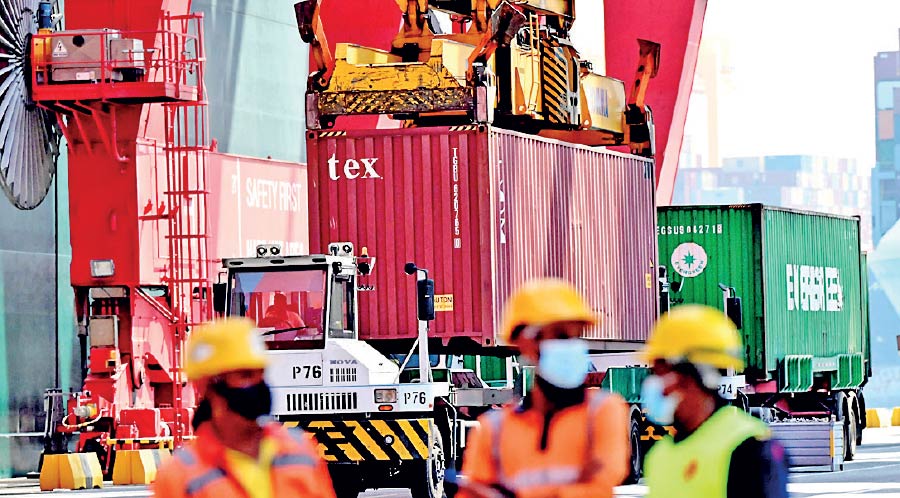 Konossementtien digitaalisen muutoksen ohjaaminen Sri Lankan merenkulkualalla">

The Crucial Role of Bills of Lading and the Digital Turn
The Bill of Lading (BL) has long stood as the backbone of global maritime trade—acting as a receipt for goods, proof of contract, and crucially, a document of title. However, unlike many trade documents which have embraced digital transition, BLs stubbornly linger in the paper world. Yet, this industry tradition carries hidden costs: delays, inefficiencies, and bumps in the supply chain that trickle down to higher prices and slower delivery times globally. For Sri Lanka—a key island trade hub eyeing a prominent role as a transshipment node—finally adopting electronic Bills of Lading (eBL) is more than a tech upgrade; it’s a strategic necessity that can influence trade competitiveness, economic stability, and consumer prices.
What Sets Electronic Bills of Lading Apart?
It’s tempting to think eBLs are just digital copies of traditional BLs like scanned PDFs or emailed versions, but that’s a rookie mistake. A true eBL replicates all the legal powers of a paper BL, particularly around ownership rights, but uses a secure digital platform for issuance, transfer, and surrender. Technologies vary—from centralized databases to blockchain ledgers—but the goal is the same: enable cargo transactions that are faster, safer, more cost-effective, and instantly traceable. Several global platforms like WaveBL, CargoX, and essDOCS have proven the concept across major routes.
The Worldwide Push Towards Paperless Shipping
The move to eBLs isn’t just talk; it’s a global tidal wave. Industry groups such as the Digital Container Shipping Association pledge full transition to standardized eBLs by 2030 for container shipping. In bulk shipping, campaigns like “25 by 25” aim for at least 25% of commodity shipments to use eBLs by 2025. On the legal front, initiatives such as the UNCITRAL Model Law on Electronic Transferable Records (MLETR) support countries in recognizing electronic trade documents as legally equivalent to paper. Nations like Singapore, the UK, UAE, India, and Bahrain are making strides in regulatory reforms, setting the international tone. Sri Lanka’s proximity to these developments means local shipping players will inevitably face changing expectations and frameworks.
Sri Lanka’s Status: Early Adoption but No Breakthrough
Sri Lanka’s shipping sector has dipped its toes into eBL waters, but real adoption is patchy and limited, mostly driven by foreign entities rather than homegrown demand. Freight forwarders operating in the country—from small local outfits to multinational firms—confirm that eBL tech like WaveBL is operational and beneficial. However, the local trade ecosystem remains largely unprepared. Banks, importers, exporters, and regulators seldom request or accept eBLs, and many domestic users aren’t even fully aware when eBLs are deployed, often mistaking them for simpler electronic fixes like scanned releases or sea waybills.
Sri Lanka’s Hybrid System: Paper and Digital Tango
The shipping documentation landscape in Sri Lanka isn’t blank paper; it’s a hybrid, somewhat awkward dance between the old and the new. Freight operators have long used email and carrier portals to exchange draft BLs, amendments, and other shipping instructions, and non-negotiable Sea Waybills have eased trusted-client shipments. Yet, original paper BLs remain mandatory for many transactions, especially those involving Letters of Credit. Regulatory bodies and customs frequently demand physical copies, forcing parallel work streams that offset the advantages of going digital. This mix slows down logistics gains, adding a layer of complexity freight operators can do without.
Key Benefits of eBLs in Sri Lanka’s Current Use
- Time Efficiency: BL issuance and transfers occur nearly in real-time, trimming days off turnaround.
- Kustannussäästöt: Reduces spend on printing, courier services, re-issuance, and storage—courier fees alone can rack up to USD 25-80 per shipment.
- Risk Mitigation: Digital transfers lessen the chances of cargo arriving before paperwork, avoiding costly guarantees or delays.
- Improved Accuracy: Digital audit trails cut down manual errors and data handling glitches.
Barriers Holding Back Wider eBL Adoption
Despite its upside, eBL uptake in Sri Lanka remains at a trickle. The primary roadblock lies in banking integration—local banks currently do not recognize eBLs for Letters of Credit, which represent a hefty portion of valuable shipments. Customs and regulatory hurdles also persist, with no legal equivalence for eBLs in clearance processes and lack of system interoperability. Meanwhile, the continued need for paper documents creates double work and inefficiencies. On top of this, only two shipping lines and around ten freight forwarders actively engage with eBL platforms, creating a catch-22 where low participation keeps adoption low. Fees for eBL services can surpass traditional courier costs, making the option less attractive for smaller players. Adding to the mix, limited awareness and hesitancy towards digitalization keep many exporters and importers on the sidelines.
Strategic Steps Ahead for Sri Lanka
The path forward mandates a coordinated push. First, digitalizing simpler shipping docs like non-negotiable BLs could achieve quick wins. Then, integrating banks with recognized eBL platforms would unlock the crucial LC-based trade. Customs would need system upgrades to accept digital negotiable BLs, slashing paper requirements at the border. Lastly, addressing onboarding hurdles and costs for small and medium enterprises (SMEs) is vital so that digital benefits aren’t confined to just big players. It’s about building an inclusive digital trade ecosystem rather than a luxury upgrade.
Yhteenveto tärkeimmistä huomioista
Electronic Bills of Lading represent a technically ready and beneficial advancement in Sri Lanka, offering faster processing, cost savings, and better risk control. However, their influence remains limited due to systemic challenges—particularly banking practices, customs regulations, and fragmented local industry participation. Without collaborative reforms across banking, customs, legal frameworks, and the shipping sector, Sri Lanka risks trailing behind in the global shift to digitized, paperless shipping. Embracing full-scale eBL adoption could be a game changer, supporting faster trade flows, lowering costs, and fortifying the national economy’s resilience.
Why Personal Experience Matters & How GetTransport.com Can Help
While industry insights and reviews paint a promising picture for eBLs, nothing compares to experiencing the efficiencies of digital logistics firsthand. Sri Lanka’s current scenario points to an emerging but nascent eBL use—yet you don’t have to wait on systemic change to leverage modern transport solutions. Platforms like GetTransport.com offer reliable, affordable global cargo transport services that accommodate home moves, office relocations, bulky goods, vehicle shipments, and freight of all types. With transparent pricing and extensive choices, GetTransport.com empowers you to make savvy transport decisions without surprises or inflated costs. Book your Ride GetTransport.com for smooth logistics wherever you go.
Tulevaisuuteen katsoen: Vaikutus globaaliin logistiikkaan
The wave toward digital BLs reflects the broader logistics industry’s march to streamline and digitize. Although Sri Lanka’s lagging eBL adoption doesn’t shift global logistics dynamics substantially, it underscores the critical importance of keeping pace with evolving standards to stay competitive. At GetTransport.com, keeping an eye on such developments ensures it remains at the forefront of efficient, cost-effective freight solutions. Start planning your next delivery and secure your cargo with GetTransport.com.
Lopulliset ajatukset
The journey toward a paperless shipping future, anchored by electronic Bills of Lading, holds clear advantages for both efficiency and economic vitality. Sri Lanka finds itself at a crucial crossroads, balancing entrenched paper habits with the promise of digital transformation. The stakes are high: better eBL adoption can reduce costs, accelerate international trade, and boost the nation’s position in global logistics. Meanwhile, services like GetTransport.com offer the perfect partner for navigating today’s cargo and freight challenges—providing transparent, global, and affordable shipping solutions that meet a wide range of logistical needs from parcels to pallets, containers to bulky goods, internationally or locally. The digital journey may feel like a marathon, but with the right tools and partners, it’s a race anyone can win.