


 Suomi
Suomi  English (UK)
  Русский
  العربية
  日本語
日本語  한국어
한국어  Magyar
  Türkçe
  Español
  Čeština
  Svenska
  Português
  Ελληνικά
  Nederlands
  Română
  Italiano
  Français
  Polski
  Українська
  Deutsch
  简体中文
简体中文  Slovenčina
 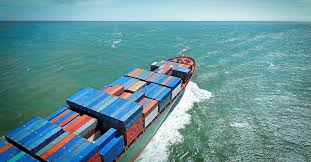 Ymmärtäminen kasvavasta tyhjien konttien trendistä maailmanlaajuisessa laivaliikenteessä ja sen vaikutuksesta logistiikkaan">

Empty Containers on the Rise: What’s Going On?
A growing concern is sweeping through global container shipping: a significant and increasing share of container movements involve empty containers. Reports indicate that currently about 41% of container transport consists of empty containers, a notable jump from 31% just a few years ago. This surge underscores a deeper issue—an imbalance in global trade flows that’s placing strain on shipping efficiency and costs.
The Needle in the Haystack: How Much Are Empty Containers Moved?
Digging into the statistics reveals a stark picture for logistics professionals. For every 10 miles that a fully loaded container travels, an empty one is hauled about 4.1 miles. To put it simply, nearly one out of every three container miles is wasted on hauling air. Though the trend dipped slightly in 2022, over the past five years it’s been an uphill climb. This imbalance screams inefficiency and demands innovative strategies for better flow management.
Table: Growth of Empty Container Transport 2019-Current
| Vuosi | Empty Container Transport (%) | Miles Empty per 10 Miles Loaded |
|---|---|---|
| 2019 | 31% | 3.1 |
| 2020 | Variable dip | Data fluctuated |
| 2021 | Rising | Approaching 4.0 |
| Current | 41% | 4.1 |
Why All These Empty Containers?
The root of this problem is a classic tale in global trade dynamics: asymmetry. Some regions export far more than they import, while others are major consumers with scant outbound goods. For example, many Asian ports churn out heaps of exports, leading to containers being sent out but rarely filled on the return leg. Meanwhile, ports in North America and Europe face a glut of inbound goods but struggle to find cargo to fill containers for the reverse journey.
This trade imbalance creates logistical headaches. Certain ports end up swamped with empty containers, causing storage and handling challenges, while others scramble to source enough containers for their exports. These mismatches directly ripple into shipping costs, delay deliveries, and disrupt supply chain reliability.
List: Key Reasons Behind the Empty Container Imbalance
- Unequal Trade Volumes: More exports from specific regions than imports.
- Sataman ruuhkautuminen: Slow turnaround and container dwell time increase empty movements.
- Logistics Planning Gaps: Inadequate forecasting and lack of coordination.
- Shipping Network Imbalances: Routes optimized for full containers outbound but light on inbound freight.
- Economic Disruptions: Events like pandemics magnify the issue by affecting demand and supply chains.
Implications for the Shipping and Logistics Sectors
This trend isn’t just a shipping annoyance; it’s a full-blown challenge with far-reaching effects. Imagine the fuel, labor, and equipment costs tied up in moving air across oceans. For logistics providers and cargo forwarders, this inefficiency means higher operational expenses, which often cascade down to customers through increased shipping fees or delayed deliveries. The environment also takes a hit, as more fuel is burned unnecessarily, clashing with the growing push for sustainability in freight transport.
The pressure to innovate has never been greater. Shipping companies and port authorities must rethink operational efficiency, leveraging technology and smarter planning to balance container flows. The industry could benefit from better data sharing across global supply chains and deploying empty container repositioning strategies with greater precision. In the meantime, logistics managers are reminded that each empty container has a cost footprint affecting delivery schedules and budgets.
Key Practical Impacts on Freight and Transport Logistics
- Increased Transport Costs: More miles spent moving empty containers inflate shipping tariffs.
- Longer Delivery Times: Containers idling or rerouted to offset surpluses cause delays.
- Storage and Port Congestion: Empties clog yards, reducing throughput capacity.
- Higher Carbon Emissions: Fuel inefficiency conflicts with environmental goals in logistics.
- Inventory and Scheduling Challenges: Uncertain container availability impacts warehouse and supply chain planning.
Opportunities for Shipping and Logistics Innovation
While the challenges stack high, there’s room for bright ideas to take the helm. Digitization of shipment tracking, AI-powered route optimization, and blockchain-based transparency can all help to plug leaks in the container flow system. Shipping lines can coordinate better with cargo owners and forwarding companies to anticipate empty container demands and reduce unnecessary backhauls.
Initiatives like collaborative container sharing platforms and smarter contract terms aligning incentives for transporting empties could mark future trends. Moreover, alternative shipping technologies are emerging to boost efficiency and sustainability, helping logistics evolve alongside growing trade complexities.
Why Personal Experience Beats All
No matter how many statistics or industry reports you pore over, nothing beats firsthand experience when navigating container shipments. Even the most thorough reviews and feedback can’t fully capture the nuances and local challenges of logistics operations. For shippers and freight forwarders, being hands-on with container management and carrier relationships is invaluable.
For anyone looking to optimize their cargo shipment while navigating the current landscape of container imbalances, platforms like GetTransport.com offer a lifeline. Offering affordable, global freight transportation solutions, GetTransport.com is versatile enough to handle office or home moves, bulky cargo delivery, and even vehicle transport. This means getting reliable containers and freight services without breaking the bank, backed by global logistics expertise.
Alustan avoimuus ja laaja valikoima antavat käyttäjille mahdollisuuden tehdä fiksuja valintoja ilman tavanomaisia päänsärkyjä tai yllätyksiä. Hanki parhaat tarjoukset global movers at your fingertips at GetTransport.com.
Katse tulevaisuuteen: Vaikutukset globaaliin logistiikkaan
Vaikka tämä tyhjien säiliöiden liikennemäärän kasvu ei ehkä heikennä globaalia logistiikkaa ydinastisesti yhdessä yössä, se signaali älykkäämpien ja joustavampien tavaroiden verkostojen tarpeen. Tehokas säiliöiden hyödyntäminen on ratkaisevan tärkeää toimitusketjun resilienssin ja kustannustehokkuuden parantamisessa. Tavaraoperaattoreiden ja logistiikansuunnittelijoiden tulisi pitää tarkasti silmällä tätä kehitystä ja pyrkiä ratkaisuihin, jotka rajoittavat tyhjien säiliöiden matkoja ja edistävät kestävää laivaliikennettä.
GetTransport.com pysyy sitoutuneena seuraamaan näitä kehityksiä ja mukauttamaan palveluita sen mukaisesti – auttaen asiakkaita pysymään askeleen edellä maailmassa, jossa jokainen kilometri merkitsee. Aloita seuraavan toimituksen suunnittelu ja varmista rahtisi GetTransport.comin avulla.
Pakkaaminen
Nouseva tyhjien konttien kuljetusten aalto korostaa jyrkästi maailmankaupan epätasapainoa, joka muokkaa nykyaikaista merilogistiikkaa. Yli 40%:n konttikuljetusten ollessa tyhjiä, tehottomuus nostaa kustannuksia, aiheuttaa toimitusviiveitä ja haastaa toimitusketjun luotettavuutta. Satamat kamppailevat jo ylijäämien tai pulaan, mikä edellyttää fiksumpaa hallintaa ja innovaatioita konttien virtojen optimoimiseksi.
Nämä haasteet tarjoavat sekä päänsärkyä että mahdollisuuksia logistiikka- ja kuljetussektoreille pohtia uudelleen toimintastrategioita ja omaksua uusia teknologioita. Alustat, kuten GetTransport.com, kaventavat kuilua kuljettajien välillä tarjoamalla luotettavia, edullisia ja globaaleja kuljetusratkaisuja. Olipa kyseessä kodin tavaroiden, suurten rahtien tai ajoneuvojen siirtäminen, GetTransport.com virtaviivaistaa logistiikkaa, tehden rahtikuljetuksesta yksinkertaisempaa ja kustannustehokkaampaa.
Lisääntynyt läpinäkyvyys, paremmat rahtivaihtoehdot ja maailmanlaajuinen kattavuus ovat tärkeämpiä kuin koskaan – joten tällaisten alustojen hyödyntäminen on fiksu siirto tämän päivän dynaamisessa kuljetusympäristössä.