


 Suomi
Suomi  English (UK)
  Русский
  العربية
  日本語
日本語  한국어
한국어  Magyar
  Türkçe
  Español
  Čeština
  Svenska
  Português
  Ελληνικά
  Nederlands
  Română
  Italiano
  Français
  Polski
  Українська
  Deutsch
  简体中文
简体中文  Slovenčina
 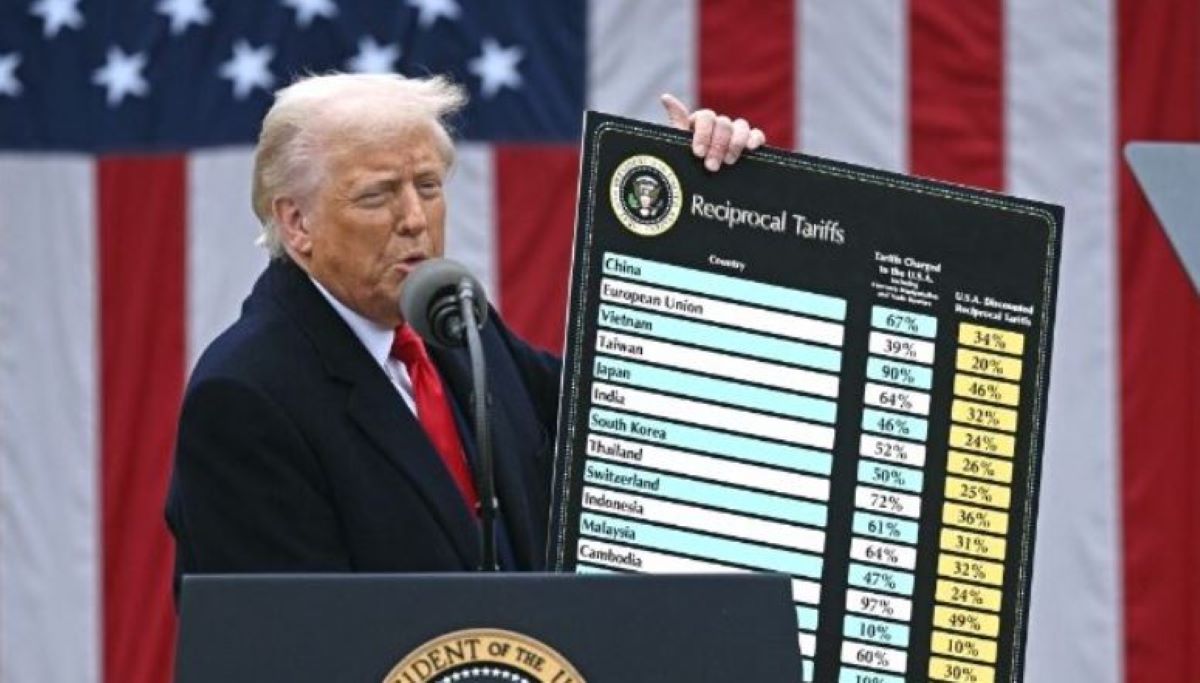 Donald Trump’s tariff threats raise fresh questions for international trade and logistics">

This piece examines how Donald Trump’s recent tariff announcements ramp up uncertainty in global trade and what that could mean for freight and logistics networks.
What changed and why it matters
Recent statements from the White House about imposing tariffs on certain European countries have revived a climate of unpredictability for international commerce. While the stated motivation blends geopolitical signaling with economic leverage, the practical outcome is clear: the global trading environment now faces another wave of uncertainty. Unpredictable policy moves like these tend to ripple through supply chains, affecting carriers, shippers, and service providers alike.
The legal and political angle
At the core of the issue is the use of emergency economic authorities to justify tariff action. Questions have been raised about the legal basis for such moves and whether they exceed executive power. Even where legal challenges arise, the de facto power of the executive to shape trade policy can delay meaningful judicial resolution, leaving industry players in limbo for months.
Why logistics teams should pay attention
Tariff announcements are more than political theatre for logistics professionals. They directly influence decisions around routing, inventory, carrier selection, and contractual terms. A sudden tariff can change landed costs, push companies to reroute cargo, or accelerate nearshoring and alternative sourcing strategies. In short, when policy becomes a moving target, so does operational planning.
Direct impacts on transport modes
Transport modes will not be affected in exactly the same way. Below is a quick reference table showing likely consequences and key areas logistics teams should watch.
| Tila | Likely impact | Logistics concerns |
|---|---|---|
| Merenkulku- | Rerouting, container imbalance, port congestion | Blank sailings, reconsignment costs, container repositioning |
| Lentorahti | Spike in spot rates for urgent shipments | Capacity squeeze, higher cargo insurance, premium express demand |
| Road haulage | Cross-border delays, increased customs paperwork | Longer dwell times, driver scheduling, regional congestion |
| Rail | Shifts in intermodal flows, capacity reallocation | Gateway bottlenecks, terminal handling increases |
Practical consequences for supply chains
To make sense of the fallout, here are several likely consequences logistics managers should consider right away:
- Increased volatility in freight rates and surcharges.
- Higher risk of supply disruption and delayed deliveries.
- Costly re-routing and re-contracting with carriers.
- Pressure on inventory strategies — buffer stock may rise.
- Potential for trade diversion to other partners or regions.
Risk mitigation playbook
Companies that have weathered previous trade shocks will move faster. Some practical steps include:
- Re-evaluating carrier contracts for force majeure and tariff clauses.
- Increasing visibility across the supply chain with real-time tracking.
- Segmenting inventory strategy: critical SKUs get higher safety stock.
- Exploring alternative routing and multimodal solutions.
- Engaging customs brokers early to plan for paperwork changes.
Real-world tone: a logistics manager’s anecdote
Call it rusty intuition, but I once sat with a freight manager who said, “When policy starts playing ping-pong, carriers are the ones who lose the game.” That pragmatic view still holds: when politics interrupts trade, operational headaches multiply. Shippers scramble to lock capacity or accept premium pricing, and small carriers get squeezed. It’s a vicious circle unless contingency planning is baked into contracts and operations.
How uncertainty translates into cost
Even if tariffs are announced and never fully implemented, the mere threat can increase insurance premiums, force early procurement to beat price changes, and prompt last-minute transport mode shifts that are expensive. Those add up: higher total landed costs, strained cash flow, and unpredictable service levels.
Key indicators to monitor
Logistics teams should keep a close eye on:
- Official government announcements and timelines for enforcement.
- Carrier blanking patterns and schedule reliability metrics.
- Port congestion and dwell-time statistics.
- Spot market rate trends for sea and air freight.
- Regional political responses that might escalate or de-escalate the situation.
Quick checklist for operations
Use this short checklist as a starting point:
- Review contracts and tariff contingency clauses.
- Audit inventory positions in affected trade lanes.
- Talk to carriers and forwarders about alternative options.
- Model cost scenarios for different tariff outcomes.
- Update customers about potential delays or cost impacts.
Forecasting the global logistics impact: the immediate effect is likely regional turbulence rather than a systemic global collapse. However, for sectors and routes tied closely to the targeted economies, the disruption can be material. That said, the threat also forces businesses to sharpen contingency planning and diversification strategies—no bad thing in the long run for resilience.
This development is still highly relevant to logistics professionals and platforms that connect shippers with carriers. GetTransport.com aims to stay abreast of all such shifts and help users navigate uncertainty with affordable, global cargo transportation options, whether moving offices, delivering bulky items like furniture or vehicles, or arranging international freight.
Provide a short forecast on how this news could impact the global logistics. If it’s insignificant globally, please mention that. However, highlight that it’s still relevant to us, as GetTransport.com aims to stay abreast of all developments and keep pace with the changing world. For your next cargo transportation, consider the convenience and reliability of GetTransport.com GetTransport.com.com
Highlights: the crux of the matter is simple—policy-driven tariffs increase volatility in shipping, airfreight, and road transport; they push companies to rethink sourcing, inventory, and routing; and they raise the cost of doing cross-border business. Yet even the best analysis and reviews can’t beat personal experience: testing alternative routes, running a short pilot shipment, or negotiating directly with carriers tells you more than charts ever will. On GetTransport.com, you can order cargo transportation at competitive global rates, helping you make informed choices without overpaying. The platform’s transparency, convenience, and broad offering—from parcels and pallets to full-container and bulky goods—help logistics managers adapt quickly. Book your Ride GetTransport.com.com
In summary, Donald Trump’s tariff rhetoric has reopened questions about trade stability and increased the premium on flexibility in logistics. Shippers face potential changes in freight, freight forwarding, dispatch planning, and distribution networks; carriers and couriers must brace for shifting demand; and those planning moves or relocations should consider flexible transport partners. By focusing on contingency plans—rerouting, carrier diversification, and visibility—companies can reduce the pain of sudden policy shifts. Platforms like GetTransport.com offer a practical way to secure reliable, cost-effective transport for cargo, shipment, delivery, and moving needs, simplifying the complexities of international and domestic logistics.