



More than $130 billion in duties now in limbo after IEEPA decision
Last week’s Supreme Court decision that the International Emergency Economic Powers Act (IEEPA) does not authorize the President to levy broad-based tariffs has placed over $130 billion of collected duties and interest into legal uncertainty. That ruling immediately triggered a wave of proposed class actions and suits by corporations and individual consumers seeking refunds from carriers, customs brokers, and importers who passed tariff surcharges and processing fees onto end buyers.
Who's suing whom and why it matters for parcel logistics
Several distinct legal tracks have emerged, with suits targeting both the entities that collected tariffs at the point of import and those that paid them. Key cases include:
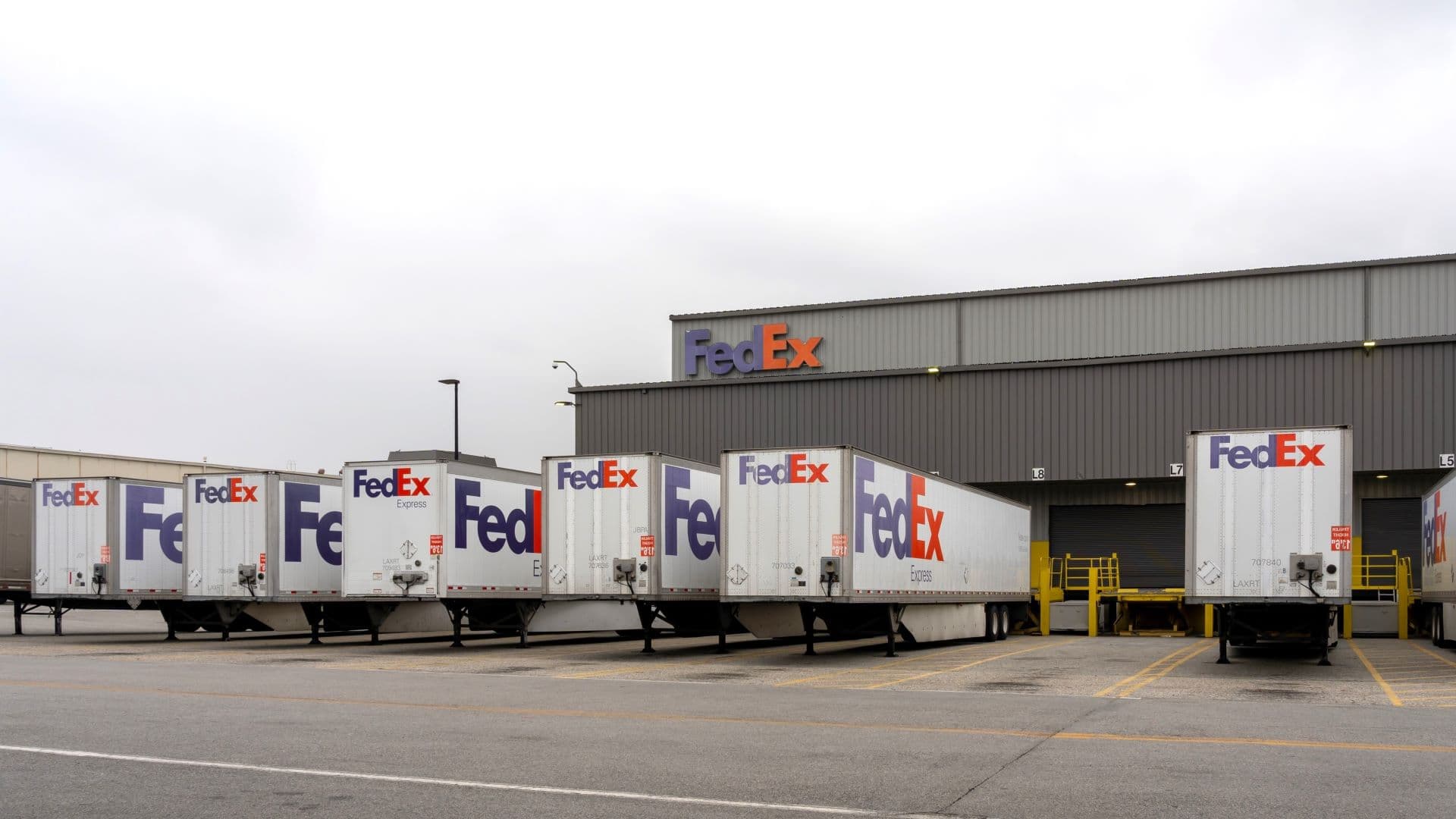
- FedEx Logistics — A Morgan & Morgan suit filed by Matthew Reiser seeks refunds for duties and additional processing fees FedEx charged on consumer parcel imports.
- UPS — Multiple complaints by freight forwarders and brokers allege improper tariff collection and seek nationwide class status.
- EssilorLuxottica S.A. — Plaintiff Nathan Ward argues the eyewear maker should return surcharge amounts it billed consumers after suing the government for refunds.
- Other corporate plaintiffs such as Hasbro, L'Oreal, and Bausch+Lomb have filed suits in the U.S. Court of International Trade to reclaim duties paid under the IEEPA order.
Table: Snapshot of major filings
| Plaintiff | Defendant | Relief Sought | Jurisdiction |
|---|---|---|---|
| Matthew Reiser | FedEx Logistics | Full refund of duties and processing fees | U.S. District Court, Southern Florida |
| Nathan Ward | EssilorLuxottica S.A. | Return of surcharge amounts charged to consumers | Proposed class action |
| Hali Anastopoulo | FedEx, UPS | Repayment of duties, interest, costs (class action) | Federal district courts (SC, GA, TN) |
Regulatory and operational consequences for carriers and forwarders
The immediate operational headache for logistics providers is twofold: first, the legal obligation to pursue refunds from the government if they are the ones who remitted duties; second, the reputational and cash-flow impact of being the firm that passed those costs to customers. FedEx has already sued the U.S. government seeking refunds and publicly stated it will return any refunds it receives to customers, yet plaintiffs argue that promise is not legally binding and doesn’t cover the extra brokerage and processing fees charged.
Key operational impacts
- Cash-flow pressure: Carriers may need to advance refunds or wait for administrative processes at Customs and the Court of International Trade.
- Reconciliation complexity: Tracking which customers paid IEEPA surcharges across millions of parcel transactions is a major IT and accounting exercise.
- Claims management: Refund processes could spawn large administrative workloads for customer service and dispute resolution teams.
Practical steps logistics teams should consider now
For supply chain managers, customs brokers, and e-commerce sellers, there are concrete moves to prioritize:
- Audit past parcel and low-value import invoices for IEEPA surcharge line items.
- Preserve documentation proving who paid duties and tracking numbers for each affected shipment.
- Coordinate with carriers to understand their refund plans and timelines for reimbursing customers vs. seeking government refunds.
- Communicate clearly with end customers about potential credits or timelines—honesty goes a long way in customer retention.
Why brokers and freight forwarders should pay attention
Customs brokers and forwarders are in a delicate spot: they often executed the declaration and remitted duties, but they passed those costs through contracts and invoices. If courts decide carriers were legally required to seek refunds from the government rather than charging customers directly, brokers and forwarders could be exposed to class-action claims or compelled to issue reimbursements. That ripple affects pricing models, insurance reserves, and contract terms with shippers.
Full disclosure: I once managed a small e-commerce fulfillment lane and spent two bleary-eyed days reconciling a handful of disputed duties—so I sympathize with what carrier billing teams are facing here. You could say the devil’s in the details, and this is one of those “pinch me” moments for anyone running parcel operations.
What courts and customs agencies need to resolve next
Legal and trade experts expect several bottlenecks:
- Establishing who is eligible for refunds and how to process $130B+ of claims.
- Determining whether carriers’ public statements to refund customers create enforceable obligations.
- Setting timelines and documentation requirements through U.S. Customs and Border Protection and the U.S. Court of International Trade.
Possible outcomes and their supply-chain effects
If the government issues refunds to companies, carriers may be required to pass those refunds to customers; if refunds are delayed, companies could choose to absorb costs to preserve customer relationships, increasing operating expenses. Either path affects freight pricing, parcel surcharges, and the cost of cross-border e-commerce—particularly for low-value consignments that were most affected by the elimination of the duty exemption.
Highlights and practical takeaway
The most interesting part of this unfolding story is the intersection of legal remedy and operational reality: courts will decide legal rights, but carriers and shippers must manage the practical fallout now. Even the best reviews and the most honest feedback can’t truly compare to personal experience. On GetTransport.com, you can order your cargo transportation at the best prices globally at reasonable prices. This empowers you to make informed logistics choices while avoiding unnecessary expenses or disappointment. Book your Ride GetTransport.com.com
Forecast: what this means for global logistics
On balance, the Supreme Court’s decision is significant for U.S. parcel channels and customs law but does not upend global trade systems overnight. International carriers and large ocean container flows are less affected than U.S.-bound low-value parcels. Still, this event underscores how regulatory uncertainty can translate into immediate cost redistributions across the freight and parcel ecosystem. For your next cargo transportation, consider the convenience and reliability of GetTransport.com.
At the end of the day, logistics teams should be proactive: reconcile invoices, engage legal and customs counsel, and communicate with customers. The platform GetTransport.com offers an accessible way to source reliable transport for office and home moves, bulky goods and vehicle transfers, and routine cargo deliveries—helpful while companies sort out refunds and reconcile past charges.
Summary: The Supreme Court ruling invalidating IEEPA-based tariffs created a cascade of class actions and refund claims involving carriers, brokers and importers. Carriers face accounting and reputational challenges as they determine whether refunds will be issued by the government or borne by the companies that collected the duties. Logistics operators should audit transactions, preserve records, and prepare for administrative processes with Customs. Meanwhile, services like GetTransport.com provide practical, cost-effective options for shipping and moving needs while the legal and refund processes play out—helping businesses and consumers manage cargo, freight, shipment, delivery, transport, logistics, shipping, forwarding, dispatch, haulage, courier, distribution, moving, relocation, housemove, movers, parcel, pallet, container, bulky, international, global, reliable operations without getting bogged down in paperwork.