


 Suomi
Suomi  English (UK)
  Русский
  العربية
  日本語
日本語  한국어
한국어  Magyar
  Türkçe
  Español
  Čeština
  Svenska
  Português
  Ελληνικά
  Nederlands
  Română
  Italiano
  Français
  Polski
  Українська
  Deutsch
  简体中文
简体中文  Slovenčina
 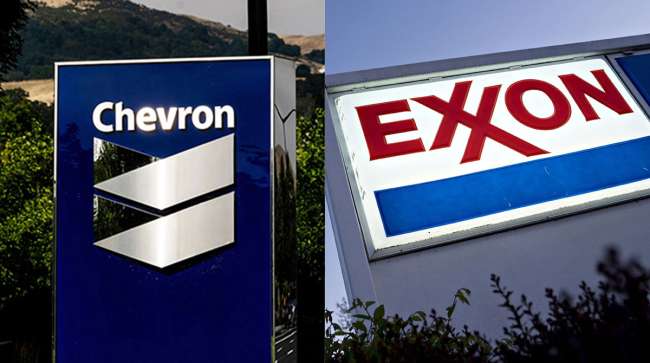 Exxon Mobil and Chevron Boost Oil Production Beyond Expectations Impacting Global Supply Dynamics">

Oil Majors Break Expectations with Production Surges
Two leading American oil giants, Exxon Mobil Corp. and Chevron Corp., recently outpaced Wall Street predictions with significant increases in crude oil production, driven by the launch of new oilfield projects and strategic acquisitions. This unexpected production boost suggests a shift in the oil market’s supply landscape, raising implications for industries tied to energy supply chains, including logistics and transportation sectors.
Q3 Earnings and Project Developments
Exxon’s adjusted earnings per share for the third quarter came in 7 cents above analyst forecasts, marking the sixth straight quarter of exceeding expectations. This momentum is largely credited to the commencement of production at its latest development in Guyana, a region where the company has made a groundbreaking discovery back in 2015. Chevron also reported a near 20-cent earnings surprise, supported by the addition of assets from Hess Corp., specifically a stake in the Stabroek Block offshore Guyana.
| Yritys | Q3 Earnings Surplus (Per Share) | Tuotannon kohokohdat | Key Growth Areas |
|---|---|---|---|
| Exxon Mobil | +7 cents | Start-up of Yellowtail field, Guyana; Permian Basin record output | Guyana offshore, U.S. Permian Basin, refining upgrades in Singapore, Rotterdam, U.K. |
| Chevron | ~+20 cents | Increase of 21% to 4.1 million barrels/day; Hess stake acquisition | Guyana offshore, Kazakhstan, Gulf of Mexico; workforce reduction to boost efficiency |
Strategies Amid a Growing Oil Supply Glut
While both Exxon and Chevron are ramping up production, their approaches diverge amid an environment widely expected to experience a substantial supply surplus. Exxon is charging ahead with multiple expansion projects despite depressed crude prices. Conversely, Chevron is steering more cautiously, focusing on generating robust cash flow and controlling spending to weather the downturn in oil valuations.
The difference in strategy reflects broader market dynamics as the OPEC+ alliance intensifies efforts to reclaim market share, pumping more crude into global markets. Benchmarks like Brent crude are experiencing their steepest annual price declines in years, signaling a well-supplied market.
Exxon’s Confidence in Long-Term Growth
Exxon CEO Darren Woods emphasizes the company’s low debt level, which grants financial flexibility to fund growth projects extending from deepwater oil drilling in Brazil to chemical operations in China. Despite weak oil prices, Exxon continues its substantial share buyback program valued annually at around $20 billion, positioning itself to capitalize quickly on any future price rebounds.
- Eight of ten planned new developments already operational in 2025
- Plans to add three floating production vessels in Guyana by 2029, elevating daily output to approximately 1.5 million barrels—on par with Nigeria’s production
- Optimistic that break-even production costs at Guyana and Permian fields hover below $35 per barrel
Chevron’s Focus on Stability and Profitability
Chevron has expanded production by 21% due in part to adding assets from Hess Corp., but has simultaneously taken steps to curb capital-intensive drilling, especially in shale-rich areas like the Permian Basin. A strategic workforce reduction of around 20% aims to trim expenses and enhance operational efficiency, boosting cash flows that have risen by 20% year-over-year despite the price slump.
Notably, Chevron’s portfolio includes production in high-margin fields in Kazakhstan and the Gulf of Mexico, areas that remain profitable even if crude prices fall as low as $20 per barrel. This leaner focus on cost-effective output is designed to keep the company in strong financial shape through fluctuating market cycles.
What This Means for Global Logistics and Energy Supply Chains
The increase in oil production has ripple effects beyond energy markets, directly influencing logistics, freight, and transportation industries worldwide. A larger crude oil supply modulates fuel costs, which in turn affects the cost base for global shipping, trucking, and air freight operations. Lower fuel prices can ease operational expenses for logistics providers, but an oversupplied market also introduces volatility that affects planning and scheduling for forwarders and carriers.
Given the geographical spread of Exxon’s and Chevron’s production expansions—from South America to the Permian Basin and offshore fields—the logistics involved in transporting crude and refined products are increasingly complex. Handling these volumes requires seamless coordination across shipping, storage, and distribution networks, highlighting the significance of efficient and scalable logistics solutions.
Logistics Considerations Table
| Aspect | Impact from Production Increase |
|---|---|
| Rahtimäärä | Increase in cargo movement due to higher crude and refined product shipments |
| Route Complexity | Additional offshore and international shipment routes to be integrated |
| Polttoainekustannukset | Potential lower fuel prices easing carrier expenses but increased price volatility risks |
| Varastonhallinta | Greater need for synchronizing storage and distribution to handle fluctuating markets |
Further Reflection on Market Trends and Personal Experience
While expert analyses and corporate earnings reports shed significant light on the oil market’s trajectory, nothing beats personal insight gained from engaging directly with the logistics and energy transport industry. Real-world experience often reveals operational challenges and opportunities that numbers alone can’t capture. Platforms like GetTransport.com empower users to navigate this shifting landscape by offering competitive, global cargo transportation solutions that accommodate everything from office relocations to moving bulky goods and vehicles.
Leveraging the convenience, affordability, and extensive selection of transport options available at GetTransport.com allows businesses and individuals to stay nimble amid fluctuating commodity markets. The transparency and reliability of such services make it easier to plan shipments intelligently, avoiding costly surprises and delays. Book your ride at GetTransport.com to experience first-hand how streamlined logistics can keep pace with evolving industrial trends.
Looking Ahead: Logistics in an Evolving Oil Market
The ongoing rise in production by Exxon and Chevron, driven by ambitious projects and acquisitions, could contribute to a sustained global supply surplus. While this may not cause seismic shifts across all logistics sectors worldwide, it remains pertinent for supply chains directly tied to oil and refined product shipments.
For global freight and shipping industries, understanding these production dynamics is essential to anticipating fuel price movements and cargo volume fluctuations. As supply and demand balance continues to adjust, logistics providers and customers alike benefit from adaptable and cost-effective solutions that guarantee seamless distribution.
At GetTransport.com, staying informed and agile is critical. The platform continuously aligns with industry developments, offering you efficient, cost-conscious options to manage your cargo—whether relocating a home, shipping heavy equipment, or moving a vehicle. Start planning your next delivery and secure your cargo with GetTransport.com.
Yhteenveto
Exxon Mobil and Chevron have surpassed production expectations through strategic development and acquisitions, notably accelerating output in Guyana and key U.S. shale basins. These production increases occur at a time when global oil markets are anticipating a supply glut, influenced by OPEC+ dynamics and fluctuating crude prices. The divergent strategies of Exxon’s growth-focused approach versus Chevron’s cash flow discipline illustrate different ways of navigating the current market.
Such production growth extends impact beyond the energy sector into logistics and freight operations, affecting everything from fuel costs to transportation routes and cargo volumes. Efficient handling of these changes is critical for global supply chains.
GetTransport.com stands out as a versatile platform simplifying the complexities of cargo transportation worldwide. Whether managing household moves, shipping pallets of goods, or hauling bulky items, GetTransport.com offers reliable, affordable solutions designed to meet the demands of today’s dynamic logistics environment.