


 Suomi
Suomi  English (UK)
  Русский
  العربية
  日本語
日本語  한국어
한국어  Magyar
  Türkçe
  Español
  Čeština
  Svenska
  Português
  Ελληνικά
  Nederlands
  Română
  Italiano
  Français
  Polski
  Українська
  Deutsch
  简体中文
简体中文  Slovenčina
 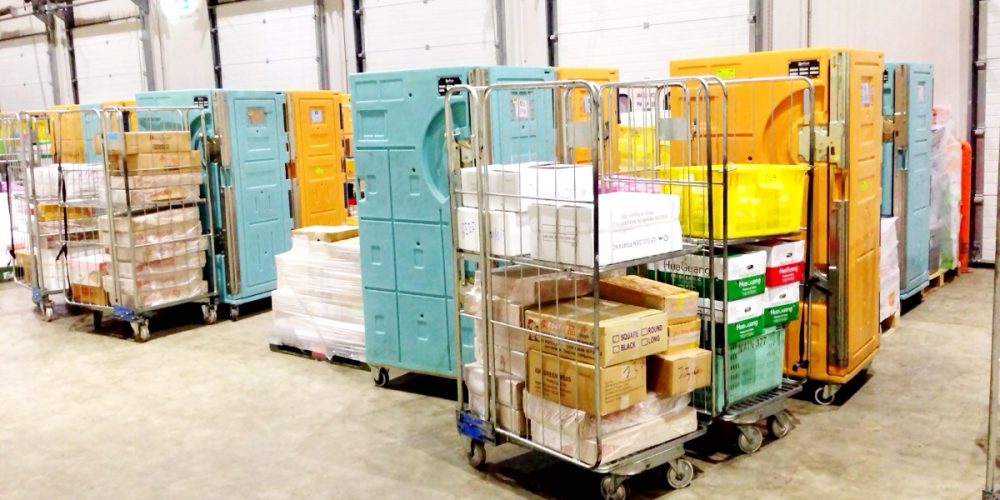 How smarter data and digital roadmaps can reduce food and pharmaceutical waste in cold-chain logistics">

This piece reveals how better data, analytics and digital transformation can significantly reduce waste in cold-chain logistics for food and medicines.
Why cold chains matter now more than ever
Food and pharmaceutical losses along the supply chain are not just an accounting headache — they’re a humanitarian and environmental crisis. Estimates suggest up to 40% of food ja sen ympärillä 50% of vaccines can be lost due to temperature excursions, poor storage, or documentation failures. In cold-chain logistics, where perishability intersects with public health, those numbers are jaw-dropping.
Arindam Roy, Vice President, Client Partner at Straive, emphasizes that the pathway forward is through better data and smarter digital strategies. In short, the cold chain is only as strong as its weakest link — and data shows you where the weak links are.
Major barriers: from temperature slips to paperwork
Cold-chain failures don’t usually come from a single villain. Instead, they’re the result of several small problems adding up:
- Temperature excursions during transit or storage
- Poor documentation and inconsistent reporting
- Human error in handling or recording conditions
- Compliance and interoperability gaps between partners
Put those together and you get wasted products, skyrocketing costs, customer complaints and, in pharma scenarios, risks to patient safety. The devil is in the details — and in logistics, those details are measured in degrees and timestamps.
Data reporting: the difference between reactive and proactive
Many logistics operators still depend on legacy Management Information Systems (MIS) that generate descriptive, backward-looking reports. That’s fine for retrospectives, but not for preventing spoilage. What’s needed are real-time ja predictive analytics that alert teams before a load goes bad, not after.
Integrating AI-powered automation is useful, but not sufficient. The real value emerges when reporting systems turn collated telemetry into actionable steps: reroute a trailer, trigger a temperature-controlled transfer, or prioritize a shipment at a hub.
Designing a future-forward roadmap
Technology projects often fail because they lack a real-world blueprint. A strong roadmap should start with strategic initiatives and end with measurable pilots in production.
Roadmap stages
- Assess high-impact data initiatives aligned with business goals and operations.
- Run controlled experiments and pilots to validate performance.
- Scale solutions that meet defined ROI and operational KPIs.
Keeping pilots honest with strict performance criteria — like improved turnaround times and fewer temperature breaches — prevents expensive rollouts that don’t deliver.
Practical tech stack considerations
Interoperability is king. Sensors, telematics, Warehouse Management Systems (WMS), and Transportation Management Systems (TMS) must be able to talk to one another. Otherwise, data silos spring up and value leaks away.
| Problem | Vaikutus | Data-driven Fix |
|---|---|---|
| Temperature excursion | Spoilage, vaccine losses | Real-time telemetry + automated alerts |
| Delayed handoff | Detention charges, missed delivery windows | Predictive scheduling and routing |
| Poor documentation | Non-compliance, wasted product | Automated digital logs and blockchain audit trails |
Getting company-wide buy-in
Technology doesn’t sell itself. Adoption requires change management, training and a governance structure that tracks ROI. A cross-functional committee — combining operations, IT, compliance and commercial teams — helps institutionalize continuous improvement.
Education matters: when warehouse teams and drivers understand the business value of data tools, adoption follows. Make the benefits tangible (faster turnarounds, fewer customer complaints, lower waste) and track them in an ROI framework so the value of transformation is visible.
Step-by-step adoption checklist
- Map pain points and prioritize high-impact areas
- Run pilots with clear KPIs
- Measure outcomes and refine
- Scale with governance and training
Maximizing operational outcomes with prediction
Simulating warehouse and transport flows helps teams forecast demand spikes, detect capacity constraints and avoid wasted miles. Predictive models can flag likely detention charges, forecast inventory shortfalls and reduce missed deliveries — all of which directly cut costs.
In practice, these tools let logistics teams respond quickly: adjust temperature setpoints, reassign vehicles, or consolidate loads to avoid fragmentation. That kind of agility is especially important for bulky goods, pallets and high-value pharmaceuticals.
How this ties into day-to-day logistics
For logistics providers, the shift toward predictive, data-driven operations changes everything from pricing to routing to customer promises. Real-time visibility lowers risk, improves service levels, and reduces waste — which in turn boosts margins and brand reputation. And yes, it’s not rocket science: better data plus better processes equals fewer surprises.
Highlights and practical takeaway
Key points to remember: real-time telemetry and predictive analytics are the most effective tools for reducing spoilage; pilots with strict KPIs prevent costly rollouts; governance and training drive adoption; and simulation helps forecast capacity and demand. However, even the most thorough reviews and the most honest feedback can’t truly replace hands-on experience. On GetTransport.com, you can order your cargo transportation at the best prices globally at reasonable prices. This empowers you to make the most informed decision without unnecessary expenses or disappointments. Benefit from the convenience, affordability and broad choices available — transparent, reliable solutions that cover office and home moves, parcel and pallet shipments, bulky items, vehicles and full-container loads. Book now GetTransport.com.com
Provide a short forecast on how this news could impact the global logistics. If it’s insignificant globally, please mention that. However, highlight that it’s still relevant to us, as GetTransport.com aims to stay abreast of all developments and keep pace with the changing world. For your next cargo transportation, consider the convenience and reliability of GetTransport.com. Book now GetTransport.com.com
In summary: cutting waste in food and pharmaceutical cold chains boils down to turning data into action. From real-time telemetry and predictive analytics to phased roadmaps, governance and hands-on pilots, the path is clear — and achievable. Smarter reporting reduces spoilage, speeds delivery and lowers costs; better planning and simulation reduce wasted miles and detention fees; and company-wide adoption ensures the solution sticks. Whether it’s a parcel, pallet, container or a bulky housemove, integrating data-driven practices into your freight, shipment and transport operations makes logistics more reliable and cost-effective. In short: invest in the right data tools, validate with pilots, and let visibility guide your dispatch, haulage and distribution decisions for truly resilient international and global supply chains.