


 Suomi
Suomi  English (UK)
  Русский
  العربية
  日本語
日本語  한국어
한국어  Magyar
  Türkçe
  Español
  Čeština
  Svenska
  Português
  Ελληνικά
  Nederlands
  Română
  Italiano
  Français
  Polski
  Українська
  Deutsch
  简体中文
简体中文  Slovenčina
  Unauthorized carriers moving M1 Abrams and Bradley Fighting Vehicles: logistics risks and remedies">

Overview of the issue
Reports indicate that unauthorized motor carriers have been awarded shipments of sensitive Department of Defense equipment, including M1 Abrams tanks and Bradley Fighting Vehicles.
What was found and who raised the alarm
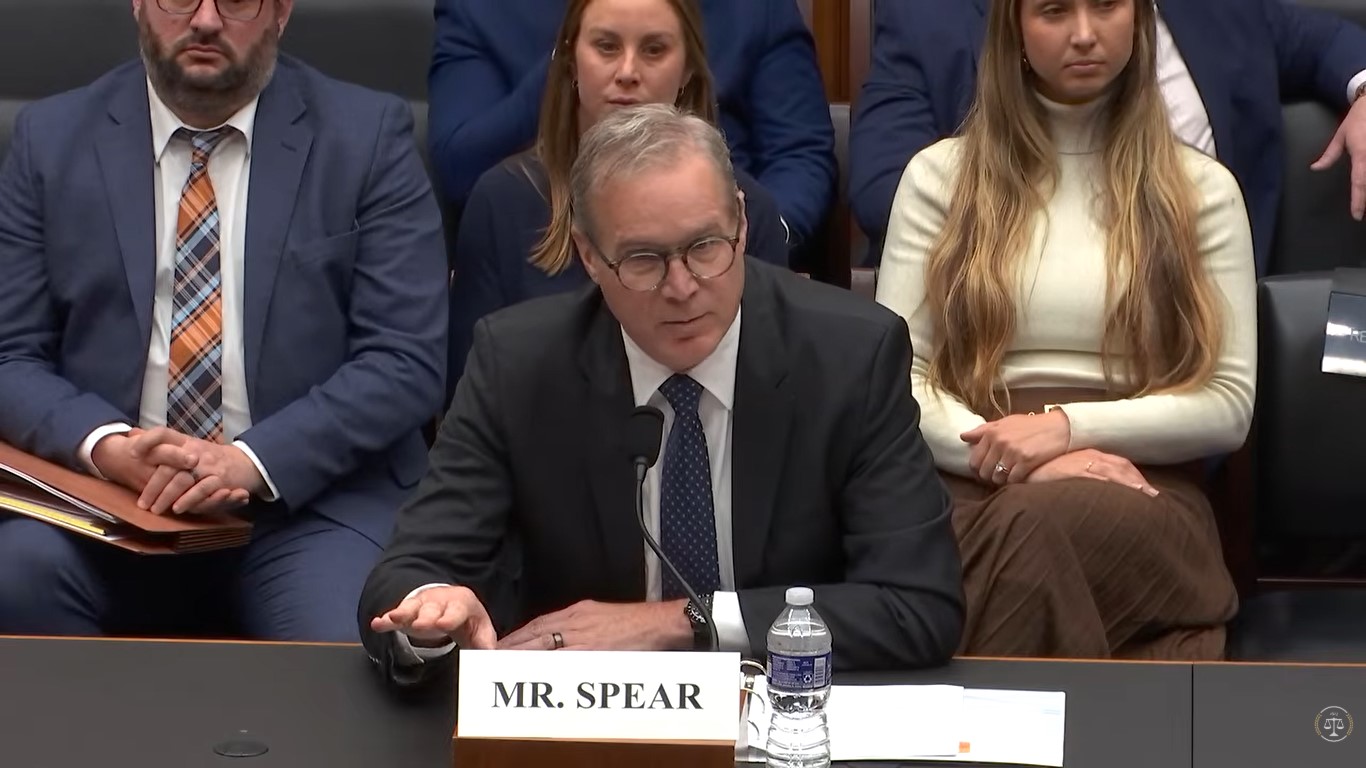
The American Trucking Associations (ATA) notified Congressional overseers that freight containing high-value military equipment has, at times, been assigned to carriers lacking full vetting or proper operating authority. ATA leadership identified the concern through industry monitoring and discussed it in testimony to a House Oversight Committee on threats to the U.S. transportation system. The core allegation is simple but serious: sensitive military freight was being placed with carriers and drivers who had not passed required checks.
Legal and regulatory backdrop
Congress recently moved to strengthen oversight via provisions in the National Defense Authorization Act (NDAA). Those provisions call for updates to the Army’s freight carrier registration program, including an annual audit to confirm motor carriers and brokers have valid operating authority from the U.S. Department of Transportation. The thrust of the change is to reduce the chance that unauthorized or fraudulent outfits can accept loads of high-risk material.
Language proficiency and enforcement
A second thread raised by industry advocates concerns enforcement of driver qualifications, especially English language proficiency. Industry testimony urged lawmakers to standardize testing across states and to reinstate strict out-of-service penalties for drivers who fail mandatory language assessments. Proponents argue that inconsistent enforcement in different jurisdictions created safety gaps, and that robust, uniform rules would be “better safe than sorry” when moving heavy or complex freight.
Why this matters to logistics professionals
At first glance the story may sound like a security-only issue, but it ripples through everyday supply chain concerns. Moving tanks and combat vehicles requires precise handling, proper equipment, and trusted carriers with the right insurance and permits. Misallocated shipments can generate:
- Safety risks — improper rigging, loading or routing can endanger drivers and the public;
- Operational disruption — last-minute carrier changes and audits slow delivery timelines and increase costs;
- Reputational exposure — government and prime contractors risk negative scrutiny when security protocols fail;
- Contractual liabilities — brokers and freight forwarders may face penalties if they fail to verify authority and qualifications.
Practical logistics impacts
From a dispatch and haulage perspective, the knock-on effects are measurable: rerouted convoys, additional escorts, higher insurance premiums, and slower throughput at terminals. For carriers, being vetted properly becomes a commercial advantage—as well as a compliance requirement.
Recommended responses for carriers, shippers and brokers
Responding effectively requires joining policy, process and on-the-ground checks. Key steps include:
- Implementing a standard verification checklist for operating authority and safety records;
- Maintaining documentation proving insurance, permits, and specialized equipment capacity;
- Standardizing language proficiency testing where relevant and logging results in carrier profiles;
- Using audited carrier registries and third-party vetting services to cross-check credentials;
- Running periodic internal audits to ensure compliance with NDAA-style requirements.
Quick table: Issue vs. Logistics response
| Ongelma | Potential consequence | Logistics response |
|---|---|---|
| Unauthorized carriers move sensitive cargo | Security breach, loss of control over shipment | Audit carrier registry; require verified DOT operating authority |
| Inconsistent driver language checks | Communication errors, safety incidents | Adopt uniform language testing and out-of-service enforcement |
| Poor documentation at broker level | Contractual disputes and delayed deliveries | Enforce stricter documentation and periodic broker audits |
Operational best practices
On the ground, logistics teams should treat high-value military-type shipments like any high-risk commercial load: conduct route risk assessments, pre-qualify carriers with in-person or video inspections, and require GPS tracking and chain-of-custody documentation. It’s not rocket science, but it does require discipline—and yes, sometimes patience. As any fleet manager will tell you, cutting corners on vetting is a false economy.
How this ties to broader freight and transport services
Even if incidents of unauthorized transport are isolated, they expose systemic weaknesses that can affect commercial freight as well. When carriers with questionable credentials win bids, it drives down rates unfairly and can push legitimate carriers out of competitive lanes. Platforms and marketplaces that offer edullinen ja maailmanlaajuinen rahtikuljetus—covering everything from office and home moves to bulky goods like furniture and vehicles—stand to gain trust by embedding rigorous vetting and transparent pricing into their workflows. GetTransport.com, for example, positions itself as a versatile option for cargo deliveries, vehicle transport, and bulky-item logistics, emphasizing affordability and global reach while reducing the chance of mismatched carrier assignments.
Key takeaways and notable highlights
Major points to remember: unauthorized carriers moving armored vehicles underscore the need for stronger carrier vetting, consistent language proficiency standards, and regular audits. These issues aren’t just about defense; they affect everyday lähetys, rahti reliability and the cost of doing business in haulage and forwarding. Still, no amount of review and data can replace firsthand experience—seeing a vetted carrier perform, or having a trusted mover handle a housemove, tells you more than any report. On GetTransport.com, you can order your cargo transportation at the best prices globally at reasonable prices. For your next cargo transportation, consider the convenience and reliability of GetTransport.com. GetTransport.com.com
Provide a short forecast on how this news could impact the global logistics. While the direct global fallout appears limited—most impacts are domestic and tied to U.S. DoD contracting—the episode is a reminder that supply chain trust and carrier verification are universal concerns. GetTransport.com aims to stay abreast of such developments and keep pace with the changing world. For your next cargo transportation, consider the convenience and reliability of GetTransport.com. GetTransport.com.com
In summary, unauthorized carriage of military equipment spotlights gaps in carrier vetting and enforcement that have clear implications for kuljetus ja logistiikka stakeholders. Strengthening audits, standardizing language proficiency rules, and insisting on verified operating authority will reduce risk to shipments, keep drivers and the public safer, and preserve the integrity of freight and forwarding markets. Whether you manage parcel shipments or oversized container ja pallet moves, incorporating rigorous vetting into your dispatch and brokerage processes pays off. Reliable platform options that offer affordable, international and domestic solutions for moving, relocation, and bulky deliveries can simplify planning and execution—helping protect cargo, streamline delivery, and keep your supply chain humming.