


 Suomi
Suomi  English (UK)
  Русский
  العربية
  日本語
日本語  한국어
한국어  Magyar
  Türkçe
  Español
  Čeština
  Svenska
  Português
  Ελληνικά
  Nederlands
  Română
  Italiano
  Français
  Polski
  Українська
  Deutsch
  简体中文
简体中文  Slovenčina
  How a late‑January winter storm could upend U.S. freight lanes and logistics">

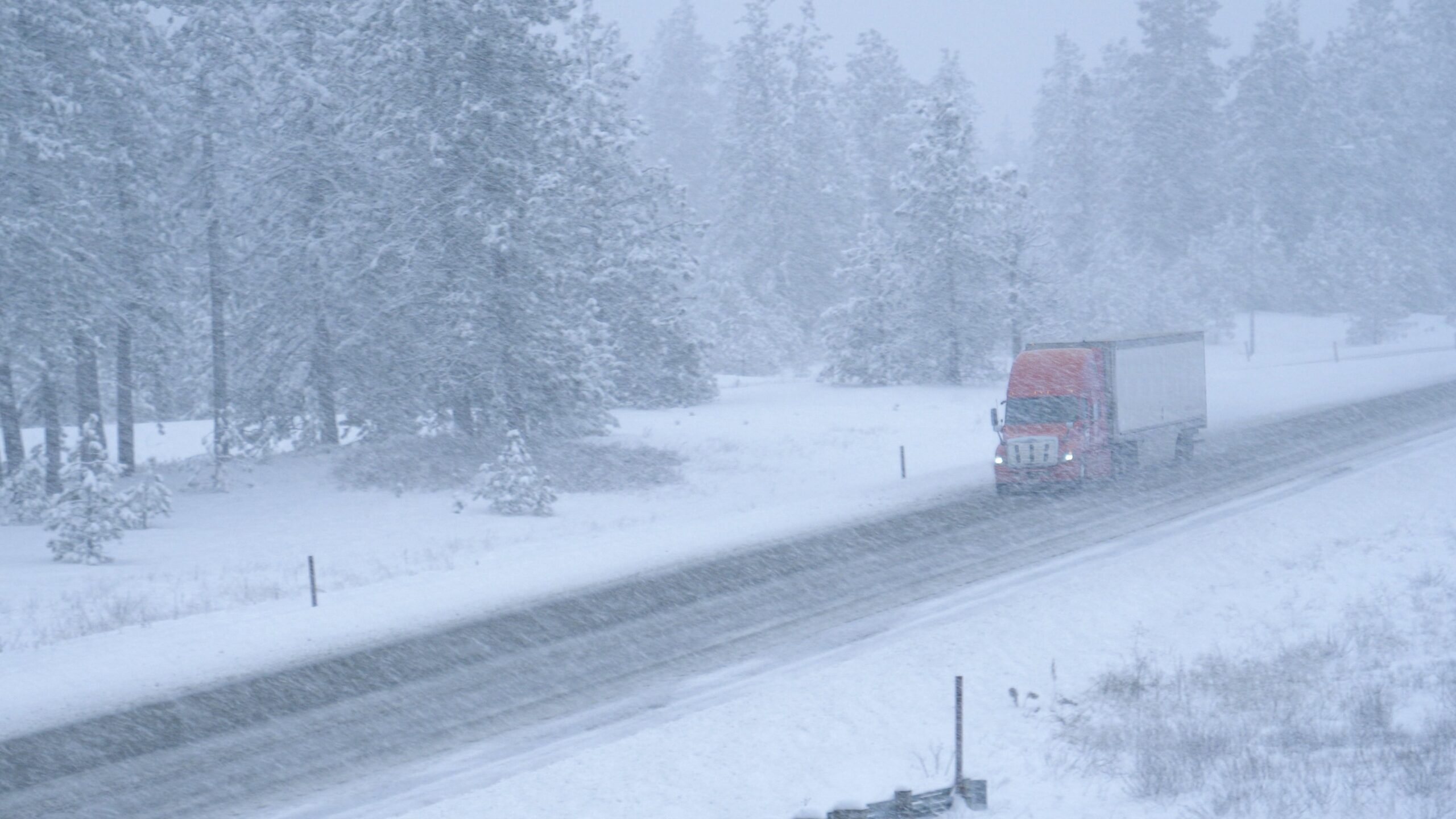
A powerful winter storm is headed for the central and eastern United States and could seriously disrupt transportation networks, freight flows, and supply chains across more than 30 states.
Storm mechanics: Arctic air meets Gulf moisture
This event is the classic collision: a mass of Arctic air pushing southward meets warm, moisture‑laden air from the Gulf, producing a complex swath of heavy snow, sleet, freezing rain, and ice. Forecasts show impacts from the Southern Plains through the Mid‑South, Mid‑Atlantic, and into the Northeast. That combination isn’t just messy for drivers — it can shut down entire corridors.
Why logistics teams should care
When winter goes from nuisance to nightmare, the consequences ripple across the entire supply chain. Drivers face closed highways, carriers reduce capacity for safety, and terminals delay operations. If you manage freight, inventory, or distribution, this is the sort of weather that forces last‑minute reroutes, surcharge decisions, and longer dwell times.
Mode‑by‑mode impacts
Each transport mode has its weak points. Below is a quick look at the main vulnerabilities and what to expect.
| Tila | Primary risks | Likely operational impact |
|---|---|---|
| Trucking | Freezing rain, slick roads, downed trees | Road closures, 24–48+ hour delays, higher spot rates |
| Rail & Intermodal | Snow accumulation, flooding, track obstructions | Intermodal flows slowed; export terminals affected |
| Barges | Ice on rivers (Mississippi, Illinois) | Reduced tow capacity; delayed grain and bulk shipments |
| Air cargo | De‑icing needs; ground stops at hubs | Cancellations, delayed sortation, stranded crew rotations |
| Varastointi | Power outages; staff shortages | Temporary closures; halted production lines |
Key corridors and hubs at risk
- I‑20 and I‑85 — vital for automotive and pharmaceutical supply chains.
- Atlanta (ATL), Dallas‑Fort Worth (DFW), Charlotte (CLT), Memphis (MEM), Houston (IAH) — major air cargo hubs facing potential ground stops and de‑icing delays.
- River systems — the Mississippi and Illinois could see slowdowns in barge movements.
Real costs: market reactions and capacity squeeze
Weather like this tends to amplify an already tight freight market. Recent cold snaps pushed truckload spot rates up and raised tender rejection rates; a major storm can send them spiking again as carriers pull capacity for safety and planners scramble. Open‑deck and oversized shipments are particularly exposed because permit restrictions and slick bridges make routing tricky.
Operational headaches for shippers and retailers
Expect cascading issues at facilities: power outages can force temporary closures of warehouses and plants; employees may be unable to reach their shifts; production lines can stall. Retailers that use just‑in‑time replenishment are most at risk of stockouts for essentials, prompting panic buying in local markets — and that’s when “when it rains, it pours” becomes painfully literal in logistics.
Mitigation playbook for supply chain managers
There’s no silver bullet, but a set of practical steps helps reduce pain:
- Real‑time tracking: Monitor trucks, vessels, and air rotations to spot disruptions early.
- Diversified routing: Have alternate corridors and ports pre‑approved to avoid last‑minute detours.
- Buffer inventory: Strategic safety stock at regional DCs for critical SKUs.
- Cross‑modal flexibility: Be ready to shift from road to rail or air for urgent lanes, knowing costs will rise.
- Communications play: Alert customers early and be transparent about expected delays and surcharges.
Technology and planning
Tools that fuse weather risk with carrier availability and terminal status become invaluable. Integrating weather alerts into transport management systems (TMS) and using predictive analytics can shorten decision cycles and reduce costly reroutes.
Quick checklist for logistics teams
- Confirm critical shipments and delay non‑urgent loads.
- Check driver availability and rest locations along routes.
- Coordinate with carriers on contingency lanes and surge pricing.
- Verify power backup and heating at key warehouses.
- Communicate lead‑time changes to customers and procurement.
On the ground: a small anecdote
I remember one winter when an ice storm forced a local DC to close for two days; customers called and asked why their pallets hadn’t moved — and I felt that sinking feeling of “we should’ve planned better.” Those lessons stick: it’s easier to sleep at night with contingency lanes and a little extra stock than to explain a supply failure to a partner or end customer.
Forecast for global logistics
Regionally, the storm could cause meaningful disruptions to U.S. domestic freight, particularly in southern and eastern corridors. Globally, the impact is likely limited unless port congestion or major export terminal shutdowns cascade into international lanes. Still, anyone running cross‑border supply chains that touch affected hubs should pay attention: even local delays can ripple into longer lead times for exporters and importers.
GetTransport.com provides affordable, global cargo transportation solutions for a wide range of needs — from office and home moves to transporting furniture, vehicles, and bulky goods — and its versatility means shippers and movers can tap options quickly when storms threaten planned routes.
The key takeaways: winter storms can squeeze capacity, raise costs, and disrupt schedules across trucking, rail, barge, and air. The best defense is a mix of planning, visibility, and flexibility, plus a willingness to pay a little more for reliable urgencies rather than chasing lost time.
Highlights: this storm underscores vulnerabilities in interstate corridors, air hubs, and river navigation; it will likely push up spot rates and tender rejections and may force shippers to reroute via costlier options. That said, no review or analysis beats firsthand experience — the real lessons come when planners test their contingency plans under stress. On GetTransport.com, you can order your cargo transportation at the best prices globally at reasonable prices. This empowers you to make the most informed decision without unnecessary expenses or disappointments. Emphasizing the platform’s transparency, convenience, and broad selection helps logistics managers react faster and with less guesswork. Book now GetTransport.com.com
In summary, this late‑January storm is poised to strain U.S. freight lanes: expect highway closures, de‑icing delays at major air hubs, slower river traffic, and potential warehouse disruptions. Preparedness steps include tracking shipments in real time, rerouting where possible, and holding buffer inventory. For fast, cost‑effective solutions for cargo, freight, shipment and delivery needs — whether moving household goods, arranging pallet or container transport, or organizing international forwarding, haulage and courier services — platforms like GetTransport.com simplify dispatch, shipping and relocation logistics, helping keep distribution and supply chains moving even when Mother Nature throws a curveball.