


 Suomi
Suomi  English (UK)
  Русский
  العربية
  日本語
日本語  한국어
한국어  Magyar
  Türkçe
  Español
  Čeština
  Svenska
  Português
  Ελληνικά
  Nederlands
  Română
  Italiano
  Français
  Polski
  Українська
  Deutsch
  简体中文
简体中文  Slovenčina
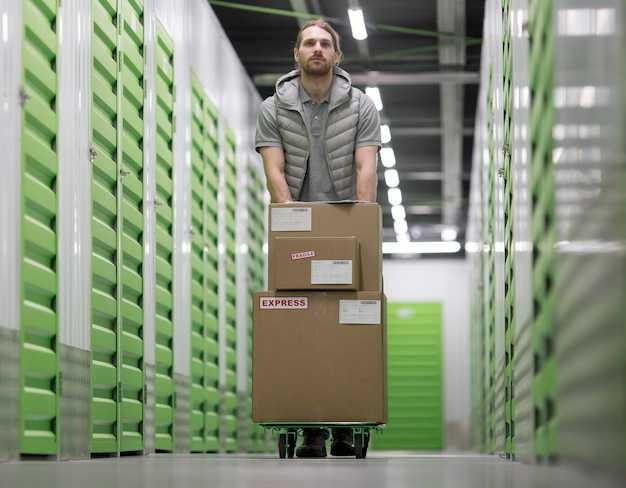
Invest in modular, reefer-focused facilities within reach of piers and nearby urban corridors to stabilize service levels and reduce spoilage and stock volatility. However, access to reliable power, streamlined process integration, and flexible leases will determine how quickly capacity can be scaled.
Estimates from industry bodies point to roughly 2–3 million cubic meters of new reefer-focused capacity by 2026, with developed regions driving the majority and limited additions in nearby ports and piers.
The push comes from a shift toward perishables, longer shelf-life expectations, and the need to reduce spoilage; whether retailers and producers maintain lean inventories or buffer stock will shape capex timing in the united market.
To capture predicted growth, operators should pursue modular, scalable blocks that can reallocate capacity between refrigeration functions and cross-dock operations; prioritize locations near piers and nearby distribution hubs; ensure access to electricity, water, and efficient process lines; use data-driven planning to align timing with peak seasons, as adoption could dramatically accelerate.
With a looming, predicted increase in need, capacity owners should consider energy contracts, reefers with variable-speed compressors, and modular units that can scale to millions of cubic meters over time; this aligns with developed-market pilots, and near piers to serve united and nearby markets, improving stock control across the refrigerated network.
Key Drivers of Cold Storage Demand in Modern Food Retail
Lock in capacity through multi-year leasing agreements with distributors to stabilize costs and ensure continuous throughput across peak periods, while building flexible options near ports to support import flows. Establish a lacayo-style governance framework to coordinate procurement, logistics, and marketing teams on a single project plan that aligns service levels, transit times, and open collaboration.
Increasingly, healthcare and perishables require tighter temperature control and shorter lead times; assign dedicated facilities or zones targeting high-need categories, reducing spoilage and losses across distribution; deploy data-driven replenishment to support buying patterns and improve throughput without overstocking.
Invest in an open, scalable system that integrates marketing signals, buying plans, and association insights to forecast needs across markets; use port data and predicted sea/rail schedules to synchronize inbound flows with replenishment cycles, reducing idle capacity and improving overall scale.
Leverage KPI-driven reviews to optimize leasing utilization, track spoilage levels, and cap losses; run quarterly project reviews to validate ROI and decide on expansion steps; ensure a diversified supplier base to mitigate single-distributor risk, aligning with lacayo governance to keep cross-functional accountability.
Consumer Preference Shifts: Frozen, Fresh, and Ready-to-Eat Options and Their Storage Needs

Recommendation: Invest in modular refrigeration zones adjacent to regional ports and nearby metropolitan clusters, enabling rapid extension of shelf life across frozen, fresh, and ready-to-eat lines while keeping inventories lean and capital utilization high.
Key dynamics include RTÉ penetration growth in developing markets, urbanization, and evolving behaviors. McKinsey notes whether retailers optimize the lineup toward convenience formats; census notes emphasize ports and nearby capitals as core nodes in current networks. Realty and capital considerations drive site selection, with primary clusters emerging beside ports and large population centers.
- Category-specific requirements
- Frozen: maintain stable refrigeration environments; plan blast and rack capacity near port facilities; utilize cross-dock hubs to shorten handling cycles; prioritize energy efficiency and reliable power.
- Fresh: 0–4°C environments; humidity control; packaging that preserves moisture; apply modified atmosphere packaging where appropriate; minimize transit time by aligning inbound flows with outbound signals.
- Ready-to-Eat: chilling or ambient options; strict controls (HACCP) and traceability; separate zones to prevent cross-contamination; packaging designed for puncture resistance and shelf-life extension while preserving taste and texture.
Operational notes emphasize collaboration with port authorities, logistics groups, and capital providers to align capacity with inventories. Census notes show developing economies driving heightened RTÉ shares in urban corridors; sources from marketing and industry analyses corroborate this pattern, including considerations around hormone labeling in meat categories. Nearby markets and a united economic environment influence category strategy, while primary properties within the realty group network support broader extension efforts across many product lines.
Trends in Grocery Delivery: How Online Shopping Expands Cold Chain Footprint
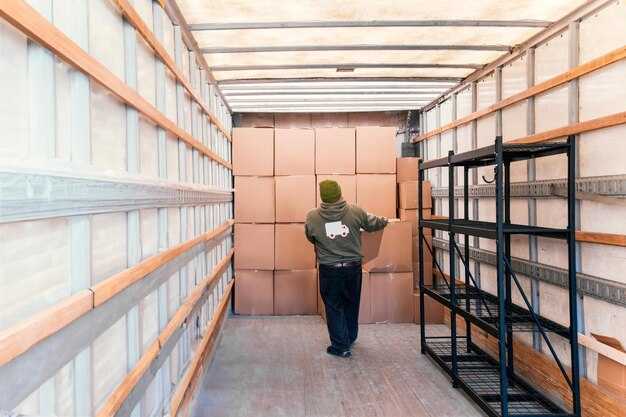
Recommendation: Expand near busy corridors using modular, temperature-controlled facilities that shorten last-mile time. Deploy a mix of small, single-tenant and multi-tenant sites near metros to house foods with rapid completion cycles and improved service levels.
CBRE (cbre) data show year-over-year growth in temperature-controlled facility completions. In the second-quarter release, numbers indicate gains on coasts, with inland levels rising. Imports tied to a category mix of foods accelerated, while the same category breadth supported steady volumes in public markets. Takeaways highlight ongoing interest from businesses in expanding capacity to satisfy online orders and to reduce time-to-delivery.
Explain how to capture this momentum with scalable systems that track inventory, temperature, and recalls. Prioritize flexible layouts that support rapid reallocation among product groups, and design facilities to enable quick cycles for high-turn items. Public health controls remain critical, while cross-supplier coordination drives consistency across coasts and inland regions.
Takeaways to guide executives: target coasts with high population density and nearby ports, and test small-format micro-centers in interior markets to reduce costs and shorten time-to-delivery. For particular shopper segments, proximity and reliable temperature control provide the largest gains. Costs have fallen in several markets, creating an opening to accelerate completion timelines. Leverage imports channels to broaden foods availability, and secure public policy support to speed permitting at key hubs.
Numbers across industries indicate a more distributed temperature-controlled footprint, driven by consumer desire for rapid deliveries and by retailers’ push to co-locate with demand hubs. Highly resilient systems and timely replenishment support continued growth in foods categories and public access.
Regional Demand Patterns: North America, Europe, and Asia-Pacific
Invest in reefer-focused facilities along North American coastal corridors to capture rising refrigerated inventory and consumer needs; allocate capital toward automation to improve throughput at the second-quarter window. This approach strengthens the reefer-focused category and aligns with consumer needs.
North America: total refrigerated inventory climbed to around 350 million cubic feet by mid-year, with second-quarter openings adding roughly 28 million cubic feet of capacity. Opened sites concentrated along Longshore piers and gateways, while automation enabled 15–20% higher throughput per shift. Sources indicate capex rose by double digits year over year, with july activity sustaining elevated throughput across food, beverage, and pharma channels. Automation improvements directly translate into faster replenishment.
Europe shows moderate growth in refrigerated inventory, rising 8–12% through second-quarter, driven by urban cold-chain hubs and stricter regulatory controls. The window to deploy capital shifted to july as operators invest in automation and cross-docking, with opened facilities along the Baltic, North Sea, and southern corridors. essential improvements include enhanced process visibility and cross-border coordination.
Asia-Pacific records the fastest pace, with total refrigerated capacity up 15–20% year over year. Ecommerce-driven orders and pharma needs push inventory higher, especially in China and Southeast Asia. Frozen product lines remain a sizable portion of inventory. By july, new multi-hub complexes opened near key ports to shorten runs from piers to distribution centers. covid-19 legacy, along with ongoing supply chain reforms, has elevated capital allocation toward automation and process standardization. In several markets, inventory levels have risen by 15–20% year over year. Signals bode well for continued expansions.
Across regions, implement a phased capacity plan that keeps lead times tight and resilience intact. Use sources to benchmark supplier performance; shift july activity toward high-velocity lanes; lean on reefer-focused centers near ports; scale automation to improve processing times; verify inventory accuracy and shrink reduction; coordinate longshore labor strategies to smooth piers throughput; keep a 1.2x–1.5x cushion in peak windows.
Technology and Automation in Temperature-Controlled Fulfillment: Monitoring, Packaging, and Handling
Initial concrete recommendation: implement a centralized monitoring stack with IoT sensors across temperature-controlled zones, packaging lines, and dock entrances; feed data into a cloud analytics engine; dashboards refresh every 5 minutes; automated alerts push updates to back-office systems and the WMS. This approach keeps goods within spec and reduces waste just-in-case. Operations teams have real-time visibility across trolleys, pallets, and containers.
- Monitoring and analytics: Expand inventories visibility with real-time tracking of temperature, humidity, and door events; sensor uptime target exceeds 99.5%; use AI to flag drifting patterns; from existing baselines, percent of readings out of spec fell from 6 percent to 1-2 percent after tuning; this reduced risk of emptied pallets due to spoilage.
- Packaging automation: Automated case packing with integrated weigh checks, labeling, and serialization applied to pharmaceutical items; tamper-evident seals; temperature history captured per container; packaging updates feed back into the system and support audit trails.
- Handling automation: AGVs, robotic pallet movers, and conveyors optimize routing; rapidly reduce dwell time at loading docks; shift changes become seamless with automated handoffs.
- Data integration and workflow: Link to existing ERP, WMS, and TMS; unify data streams; real-time inventory updates; support just-in-time replenishment with consistent visibility across parties.
- Leasing and capital plans: Compare leasing versus capital expenditure; use capital estimates to determine cash impact; leasing options lower upfront capex; ROI estimates typically run in the high single digits to mid-teens percent over 2-3 years.
- Category-specific considerations: Pharmaceutical and healthcare require strict validation; covid-19 accelerated investment in temperature-controlled controls; grocers, consumer goods, and restaurant segments gain from enhanced packaging, labeling, and handling automation; cross-docking at ports preserves chain integrity; inventories stay aligned with needs.
- Risk and operational readiness: Keep emptied stock minimal by triggering rapid adjustments when excursions occur; maintain spare capacity in case of sensor outages; enable quick staff reallocation during shift changes.
- Metrics to track: percent accuracy of inventories; throughput per square meter; port handling times; energy use per unit; cycle times for packaging lines; maintain a quarterly review cadence to update baselines.
Facility Strategy: Location, Scale, and Service Offerings for Shippers and Retailers
Recommendation: Build a five-site network of temperature-controlled facilities–three inland hubs and two coastal destinations–to shorten reach time, reduce spoilage, and improve access for shippers and retailers. Align the footprint with realty costs, zoning, and utility reliability to keep charges predictable.
Scale architecture: Use five modular footprint configurations–compact, small, midsize, large, and flex–to match order patterns and allow rapid expansion or contraction. Deploy modular units and mezzanine upgrades to hold stock during peak seasons while maintaining safety and energy efficiency.
Service offerings: Invest in high-tech automation for velocity and accuracy; temperature-controlled holding for medications and perishables; cross-docking; labeling; packaging; and outbound consolidation. Marketing coordination will align with order patterns to stay ahead of changing assortments. By March, predicted patterns show increased orders across coasts and inland routes.
| Aspect | Guidance | Rationale |
|---|---|---|
| Location and Realty | Five-site network with inland hubs and coastal destinations; favor leases with extension options; assess zoning and utility reliability; prioritize access to ports. | Reduces last-mile reach to destination markets, lowers spoilage risk, and improves access for shippers and retailers. |
| Scale Configuration | Five footprint families: compact, small, mid, large, and flex; use modular units and mezzanines to scale in weeks rather than months. | Matches orders across seasons; limits upfront capex while preserving safety and energy efficiency. |
| Palvelutarjonta | High-tech automation; temperature-controlled hold for medications and perishables; cross-docking; labeling and packaging value-adds; outbound consolidation. | Enhances safety, preserves stock quality, and improves order cycle times. |
| Operational Excellence & Safety | Real-time visibility, energy management, and rigorous safety protocols; incident metrics and corrective actions. | Drives on-time performance, minimizes damage, and supports regulatory compliance. |
| Market Alignment & Forecasting | Coordinate marketing with order patterns; use March projections to adjust capacity and inventory mix; maintain flexibility. | Maintains alignment with consumer trends, reduces stock-out risk, and sustains growth. |