


 Français
  English (UK)
  Русский
  العربية
  日本語
日本語  한국어
한국어  Magyar
  Türkçe
  Español
  Čeština
  Svenska
  Português
  Ελληνικά
  Suomi
Suomi  Nederlands
  Română
  Italiano
  Polski
  Українська
  Deutsch
  简体中文
简体中文  Slovenčina
 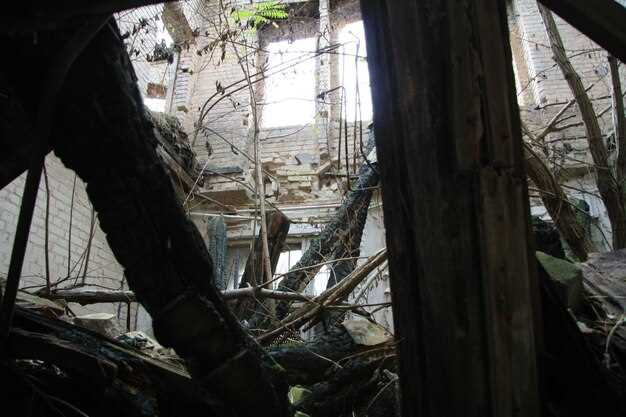 L'Amérique face à un scénario cauchemardesque – Grève imminente et infrastructures dévastées après l'ouragan Hélène">

Mobilize state task forces immediately to shield essential networks; across states; clear transit corridors; protect medical supply lines; deploy mobile clinics; replenish fuel stores; secure florida routes to prevent cascading delays.
Initial assessments indicate a significant portion of primary corridors impacted; three ports with reduced throughput; two major rail segments constrained; some facilities require power restoration; logistics pivot to alternate routes; air-bridge shipments become likely.
The category of risk spans transport networks; healthcare logistics; customer access; officials estimate some routes will require detours; vehicles moved to alternate corridors; pharmaceuticals must be prioritized for cooling capacity; fleets reserved for emergency response.
Officially recognizing the risk, authorities activate a phased recovery plan; a 72-hour window for restoration actions; dedicated liaisons for each state ensure data consistency.
Icon of resilience emerges through cross-state data sharing; florida data feeds into a unified view; if youre coordinating efforts, prioritize cross-state data sharing to minimize delays; a single dashboard tracks impacted routes; supply levels; category-specific needs.
Strategic Plan: After Hurricane Helene and Dockworker Strikes
Start with immediate synchronization across federal agencies; port authorities; private operators. Create a unified action window of 72 hours to reestablish critical maritime lanes; minimize flow disruption; secure priority corridors for containerized goods. These are related actions: customs prioritization; staging of portable screening.
Measures should mobilize the biden administration; port authorities; private sector partners. Establish a maritime task force to oversee salvage operations, debris removal, berth restoration; safety checks. Projected costs around $4.2 billion; funding should cover port deck repairs; dredging; temporary storage.
looming landfall risk demands stockpiles at northern ports; Florida areas face heavy disruption; time-sensitive restart plan for road rail links; alternative routes preserve flow of essentials. A time window supports critical repairs. florida is a priority route for relief.
Pharmaceuticals continuity requires mobile cold storage hubs; vaccine preservation; rapid reallocation of supplies. weve created a mobile pharmaceuticals corridor; cold chain continuity; on-demand dispatch to clinics.
Some agriculture shipments require priority handling; targeted storage shifts; overall resilience. Markets reached pre-event capacity; supply adjustments continue.
Real-time dashboards across terminals; weather alerts; damage reports provide situational awareness. Operators report theyre prioritizing critical loads; selected corridors open first; compliance reviews accelerate.
story guidance informs stakeholders about navigating disruptions; monitoring shows the revised flow path reached performance targets. economic exposure rises with delays; price spikes risk materials.
Port disruption roadmap: identify the first terminals to halt operations and outage duration

Recommendation: Halt Terminal A first, given its 28% share of regional throughput; proceed to Terminal B within 12 hours if conditions persist; set initial outage window for Terminal A at 48 hours, rising to 96 hours for Terminal B, based on cargo density, weather exposure, available diversion routes.
Identify first terminals to halt operations using criteria: high share of inbound perishables; energy fuels; essential manufacturing inputs; limited redundancy across the corridor; constrained hinterland links; high sensitivity to wind speeds above 60 mph; vulnerability of mooring, quay, electrical, drainage systems. This selection targets those with largest spillover into ground transport, rail, air logistics; remaining ports follow in sequence.
Estimated regional throughput exceeds 18 million TEUs per year; Terminal A accounts for about 2.7 million TEUs; Terminal B around 1.8 million TEUs; Terminal C around 1.2 million TEUs. Halting Terminal A yields backlog for 3–5 days; Terminal B adds 2–4 days; overall congestion stretches 7–10 days. Diversion options include inland rail corridors; neighboring ports in the southeast region; container yard storage at inland terminals.
Outage duration by category: core container terminals with flexible hinterlands: 72–120 hours; bulk terminals: 24–48 hours; reefer terminals: 96–144 hours; high-value breakbulk: 48–96 hours. These estimates depend on dredging, mooring conditions, electrical supply restoration, canal or lock clearance. Restoration plan includes targeted dredge; crane refurbishment; temporary power; security; lane expansion to expedite inland dispatch.
Weather cue: winds exceeding 80 mph; seas above 8 ft around terminals trigger halt; forecast confidence target 95% within 12 hours; by Sunday the track increases risk; once wind thresholds reach, port authorities issue cessation messages to terminal operators, shipping lines, truckers, rail operators.
Labor relations require advance dialogue; unions raise wage concerns; management sets contingency staffing; Sunday shifts reorganized to maintain critical cargo handling during outage window; wage adjustments pushed into restoration plan as soon as possible.
Next steps for port authorities: publish a transparent map showing terminal status; assign designated stages for Terminal A, Terminal B; track progress via public dashboards; update every 12 hours; coordinate with rail operators for temporary reroute; coordinate with inland ports to receive overflow; release daily numbers on vessel calls, yard density; crane productivity.
Analysts forecast impact: regional logistics costs rise by 6–12 percent during 7–10 days; coastal hinterlands experience 8–14 percent slower road movement; insurance lines adjust as port disruption persists; commodity delays risk price fluctuations around 2–3 percent for perishable goods.
This roadmap prioritizes resilience by isolating disruption, protecting critical imports such as fuel; medicine; fresh produce; preserving inland supply lines; supporting governor’s emergency actions; minimizing wage friction; aiming to restore core terminals within the defined window; ongoing monitoring of winds, seas, dredge status; plan revision as data arrives.
Helene fallout on port infrastructure: flood damage to terminals, power, roads, and crane capacity
Recommendation: deploy portable power units to busiest terminals; restore half crane capacity within 24 hours; prioritize import movements; coordinate with governor, port association, and their efforts to make operations leaner; prepare for high backlog risk.
- Operational impact: flood damage causing significant disruption to import flows; category 1 terminals; crane capacity reduced to half; power restoration in stages; some lanes blocked; dockworkers movement constrained; days expected to reach minimal operations; this problem demands action immediately.
- Recovery steps: deploy mobile generators; accelerate transformer repairs; repair roads to depot access; set up alternate depot routes; vehicles moved by contracted carriers; west coast faces higher risk; united governor teams coordinate unified actions; economic ripple via inflation; (getty) imagery notes flood effects.
- Logistics management: keep depot inventory stable; maintain home supply lines for some essential goods; among ports on the west coast; other coasts, priority ports get restored first; association members push for relief funds; this reduces risk of inflation spikes; that movement tells their stakeholders.
- Labor risk: dockworkers action possibly evolving into a strike, complicating distribution; monitoring by the united states association helps mitigate exposure; when conditions improve, allow streamlined movement of vehicles, containers; this reduces the potential for inflation spikes.
- Performance metrics: track days to reach 50 percent capacity; monitor import category mix; calculate long-run cost; inflation impact assessed; coasts cooperation improves resilience; getty data used to validate field reports.
Inflation and costs: quantify near-term price pressures from a strike during rebuilding
Recommendation: lock in critical input prices now; frontload orders; hedge freight costs; establish price-sharing clauses with suppliers.
- Input costs; buying pressure
Analysts mentioned elevated prices for steel, cement, copper, lumber; shipping rates remain heavy; ports in coasts face congestion; united supply chains were stressed; during sept, input costs stayed higher; over half of material costs originate from foreign suppliers; store buffers guard against shortages; know this: these factors drive a significant price uplift in early rebuild phases.
- Labor action costs
Labor action across states yields higher wage bills; combined overtime during rebuild; wage growth could reach 4-6% in construction; across industry sectors, this raises substantial rebuild cost pressure; given the scale, budgets tighten.
- Maritime logistics; ports disruption
Disruptions between coasts; southeast ports; inland hubs hit shipping; shipping volumes down; damage to facilities disrupt supply lines; heavy throughput rises unit costs; from this, prices rise; disruptions affect chains.
- Consumer price pass-through; store dynamics
We know price dynamics affecting household budgets; store pricing responds with a lag; consumers feel effects during a short delay; buying power remains challenged; sept readings show core inflation resilient; given input pressure, price pass-through could be substantial in categories with high import content; story line points to slower relief if action remains rocky.
- Policy responses; guard rails
Policy responses include targeted procurement reforms; broaden supplier base; pre-purchase critical inputs; stagger orders to reduce risk; this approach lowers combined price shocks; under current frameworks, price dynamics improve among suppliers; aftermath of rebuild costs lingers in economy; working capital needs rise in small stores along the chains.
Policy options: mediation, federal support, and alternative routing to avert paralysis
Recommendation: initiate mediation among ports, carriers, freight forwarders, rail operators; regional agencies; industry associations to unlock rapid triage of bottlenecks within 72 hours; a high time to act, with an innovative approach to operations. This will require rapid coordination.
Federal support: Immediate relief package should activate an emergency fund pool of $9 billion to cover storage; fuel; overtime; streamline procurement of temporary assets; waive cross-state permit delays; extend hours-of-service relief for drivers; oversight by a united command center to monitor availability; progress; compliance; theyre liquidity needs. This support meets their liquidity needs.
Alternative routing: implement temporary freight corridors connecting Gulf Coast hubs to the northeast; leverage inland waterways; expand port-of-entry availability; deploy portable storage; temporary warehouses; refrigeration to protect food supply for agriculture along Florida coasts; line to major markets; international coordination to prioritize critical shipments; given the international scope, medical supplies; automotive components.
Timeline and metrics: immediate actions aim to restore at least 60% of normal capacity within 3 weeks; below 40% on automotive supply lanes remains a risk; by october, la capacité remonte à 75–90 % sur les lignes principales ; la perturbation massive et grave des chaînes d'approvisionnement alimentaire nécessite des mesures ciblées ; nous avons suivi les premiers résultats ; ils montrent des progrès ; la coopération unie entre la Floride, le Texas, New York et d'autres côtes renforce la résilience ; les améliorations de la disponibilité alimentent l'ensemble de la chaîne commerciale.
Manuel de résilience pour les entreprises : diversifier les fournisseurs, constituer des stocks et pré-organiser les voies maritimes
Commencez par sécuriser deux à trois fournisseurs alternatifs par composant critique, répartis sur différentes régions afin de réduire l'exposition aux chocs régionaux.
Établir des délais de livraison plus longs ; constituer un stock de sécurité dans les principaux dépôts ; cartographier les itinéraires de transport via usmx transport ; planifier les flux d'importation pour qu'ils correspondent aux jours de pointe d'activité. Mettre également en place des stocks tampons dans les dépôts situés le long des côtes.
Renforcez votre résilience pour le commerce transfrontalier en tirant parti de fournisseurs internationaux ; diversifiez vos marchés pour éviter les fermetures d'un seul pays. Dans ce programme, nous avons commencé à formaliser les évaluations des risques fournisseurs qui impliquent la santé, la capacité et la fiabilité du transit.
Lancement ce trimestre d'initiatives visant à étendre le filtrage des risques liés aux fournisseurs.
Ces États ont créé des unités de résilience pour coordonner l'approvisionnement transfrontalier.
Plusieurs ports ont signalé un débit inférieur au niveau de référence.
La capacité des ports a chuté de moitié pendant les périodes de pointe, entraînant des retards importants.
Des responsables ont noté que les horaires changent durant les tempêtes ; le mouvement des cargaisons fluctue en fonction des vents et des conditions météorologiques.
C'est pourquoi les glissières de sécurité protègent les installations critiques et les inventaires.
Soutenu par un financement fédéral, le plan mobilise des ressources au niveau de l'État.
Globalement, l'approche maintient la continuité même lorsque des perturbations surviennent le long des côtes.
La résilience économique reste une priorité pour la direction.
les cycles de démarrage assurent la préparation ; les heures de démarrage peuvent varier.
| Action | Propriétaire | KPI | Timeline |
|---|---|---|---|
| Identifier trois fournisseurs alternatifs pour chaque article, couvrant plusieurs régions. | Équipe d'approvisionnement | Nombre de sources alternatives ; score de risque | Q4 2025 |
| Établir un stock tampon dans des dépôts stratégiques ; cibler des jours de couverture | Équipe d'inventaire | Jours de couverture ; ruptures de stock | Ongoing |
| Organiser les voies maritimes à l'avance ; sécuriser l'accès aux quais ; coordonner les opérations avec les dockers le long des côtes | Planification logistique | Départs de files à l'heure ; préparation des quais | Q3 2025 |
| Coordonner les mouvements d'importation avec la politique fédérale ; maintenir la visibilité auprès des États, du gouverneur et des ports. | Bureau de la stratégie | Taux de conformité ; score de visibilité | 2025 |