Author
James Miller specializes in global logistics and supply chain dynamics. His investigative work explores the intricacies of international trade, infrastructure challenges, and technological advancements shaping modern commerce. He advocates for sustainable practices and transparency in supply chain operations.


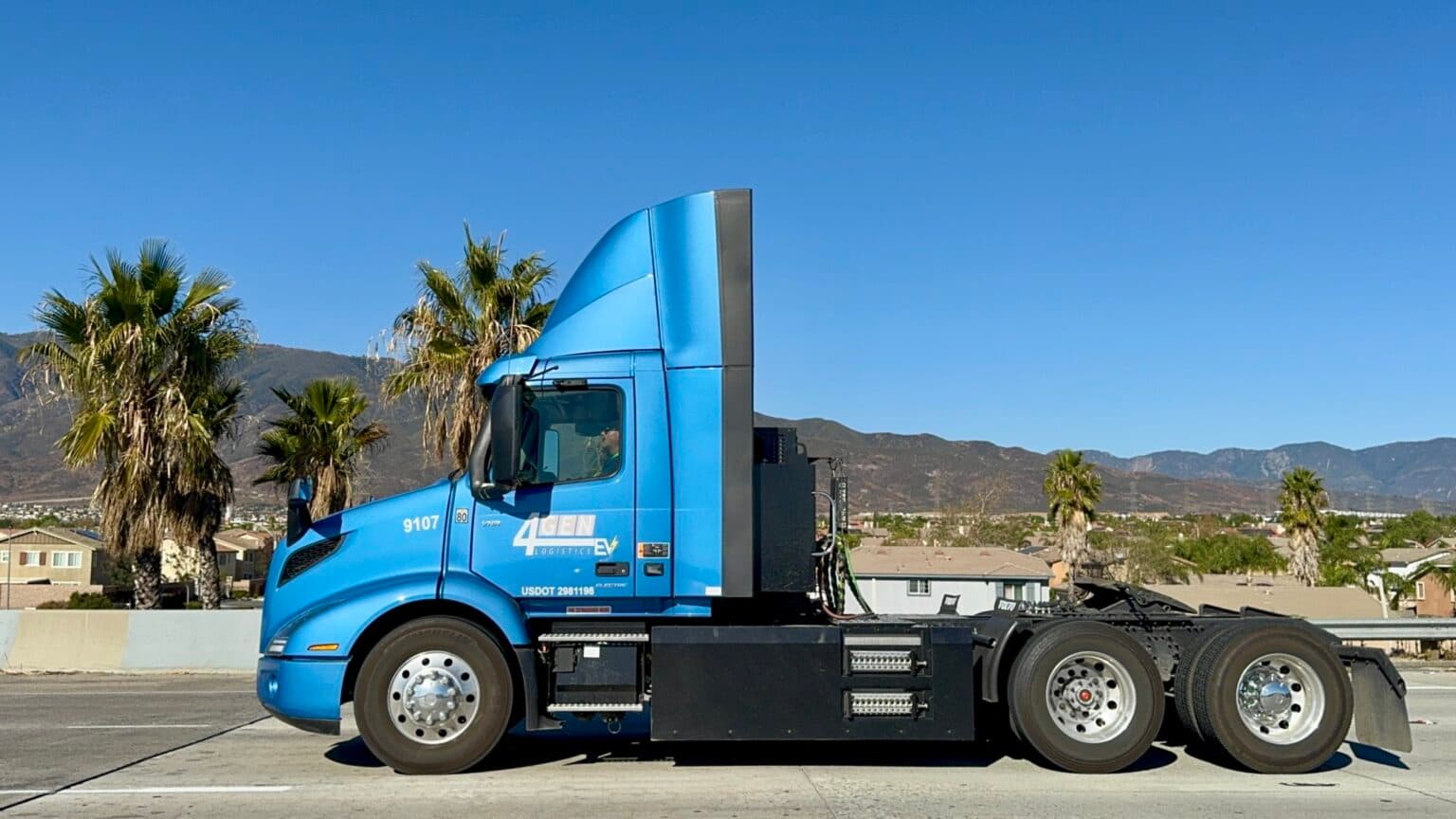
North American EV adoption stalls while fleets underutilize electric trucks and vans
Geotab's 2026 State of Commercial Transportation shows a clear North American electrification plateau: EV maturity in 2025 registered at 2.2% in Canada and 1.6% in the United States, compared with 10.8% in the United Kingdom and 8.0% across the European Union.

Kale Logistics introduces AvSys to close the middle‑mile gap in cross‑border e‑commerce logistics
Kale Logistics Solutions has deployed AvSys, a cross‑border e‑commerce visibility platform that provides piece‑level tracking inside consolidated or individual air cargo shipments while maintaining full customs compliance and operational control across first‑mile, middle‑mile and last‑mile movements.

4RCargo expands into the Baltics, appoints Vladislavs Pecevics to lead regional growth
4RCargo has formally opened a Baltics office covering Estonia, Latvia, and Lithuania, appointing Vladislavs Pecevics as Regional and Product Manager to scale air freight connections between the region and global markets.

How New York’s tougher point system raises suspension risk for truck drivers and carriers
New York’s Department of Motor Vehicles has extended the points lookback from 18 to 24 months and reclassified several violations so that a single construction-zone speeding infraction now carries 8 points, bridge-strike incidents carry 8 points, and driving while intoxicated or operating on a suspended license are now automatic 11-point offenses — the threshold for license suspension.

Air Cargo Visibility: How AI Is Unifying Shipments Across Airlines, Handlers and Customs
End-to-end shipment visibility remains fragmented across airlines, ground handlers, forwarders, and customs systems, creating repeated manual follow-ups and longer exception resolution cycles that hit on-time performance and customer transparency.

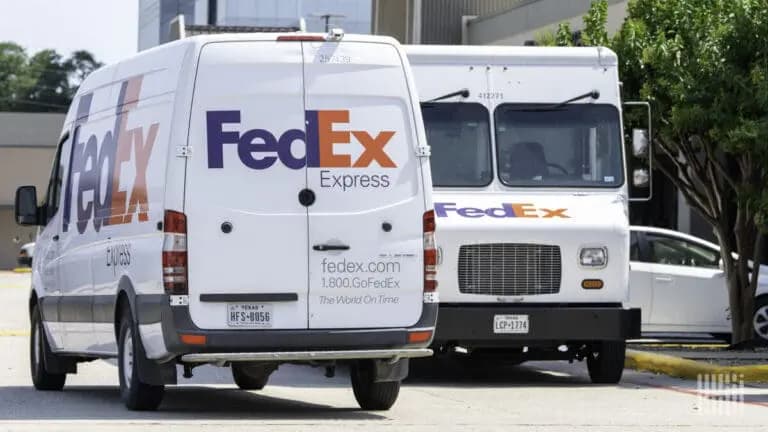
Miele taps FarEye for intelligent last-mile appliance delivery
Last-mile operations for large appliances now represent a disproportionate share of fulfilment costs, and Miele has moved to standardize orchestration across Europe and Australia by deploying FarEye’s delivery platform to schedule, route and monitor two-person installation jobs in real time.

Etihad Cargo launches Excellence Hub to standardize global cargo operations
Etihad Cargo has rolled out the Etihad Cargo Excellence Hub, an online training academy designed to harmonize operational, safety and compliance standards across its global partner network, directly affecting handling quality, on-time performance and shipment integrity on key cargo lanes.

How DHL and JD.com’s MoU Opens New Cross‑Border Logistics Paths for German Brands
JD.com’s platform reach of more than 700 million consumers paired with DHL Group’s global network creates an operational corridor that enables direct B2C shipments from Germany to China under preferential customs and VAT schemes, reducing import costs and transit complexity for European merchants.

IAG Cargo launches dedicated AOG rapid-response lanes for aircraft parts
IAG Cargo’s new Aircraft on Ground (AOG) product deploys 24/7 specialist teams across a network of more than 250 destinations, with operational presence near major MRO hubs in Europe and North America to accelerate the movement of urgent parts and restore aircraft to service faster.

January 2026 air cargo uptick in Asia‑Pacific: capacity, load factors and logistics implications
In January 2026 international air cargo demand from Asia‑Pacific carriers rose by 5.9% year‑on‑year in freight tonne kilometres (FTK), while offered freight capacity increased by 4.9%, lifting the regional average freight load factor to 56.1%.

Major operational, legal and AI-driven shifts reshaping logistics in late February 2026
Carrier reimbursement exposure, real-time execution gaps, and AI-driven headcount reductions dominated the week’s logistics headlines, forcing firms to reassess tariffs, inventory visibility, and decision automation in operational settings.

How AI Capacity and Cost Algorithms Are Changing Air Cargo Operations
Long‑haul carriers implementing AI-powered capacity allocation report potential uplifts in load factor of 5–9% on key lanes, with simulated route reassignments lowering block fuel consumption by roughly 4–7% per rotation while trimming turnaround delays at major hubs.