Auteur
James Miller est un spécialiste de la logistique mondiale et de la dynamique de la chaîne d'approvisionnement. Ses travaux d'investigation explorent les complexités du commerce international, les défis d'infrastructure et les avancées technologiques qui façonnent le commerce moderne. Il prône des pratiques durables et la transparence dans les opérations de la chaîne d'approvisionnement.

USPS Reports Significant Financial Loss with Parcel Volume Decline While Investing in Logistics Modernization
USPS Financial Downturn Amid Parcel Volume Drop The U.S. Postal Service reported a challenging fiscal year 2025 with a $9 billion loss , marking a slight improvement from the previous year’s figures. Despite a decrease in parcel volumes by 5.7%, which equated to 415 million fewer packages handled, USPS’s overall revenue nudged upward by 1.2% to $80.5 billion thanks to price increases and growth in certain service areas. However, the controllable loss — a measure excluding uncontrollable expenses such as workers’ compensation — worsened from $1.8 billion to $2.7 billion, signaling persistent underlying financial hurdles. This paints a picture of an organization that, while making strides in

Unpacking the Supreme Court's Tariff Case and Its Ripple Effects on Wall Street and Reimbursement Claims
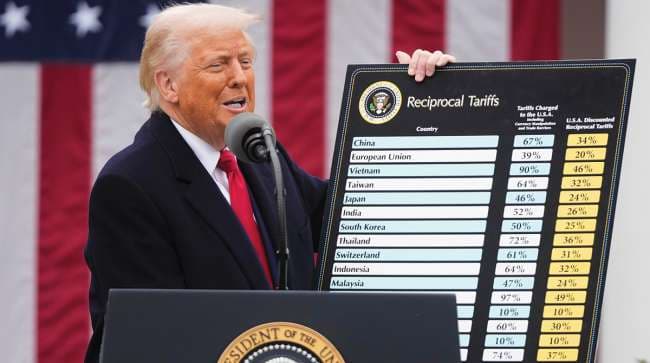
The recent Supreme Court hearing focusing on the legality of tariffs imposed during President Donald Trump’s administration has stirred considerable debate—not just in legal circles but on Wall Street as well.

FMCSA Initiates In-Depth Study into Driver Work Schedules and Crash Risks Among Motor Carriers
The Federal Motor Carrier Safety Administration (FMCSA) has set its sights on understanding how driver schedules relate to crash risks and safety violations.

Challenges Ahead: Trucking Exodus and the Future of U.S. Ocean Logistics
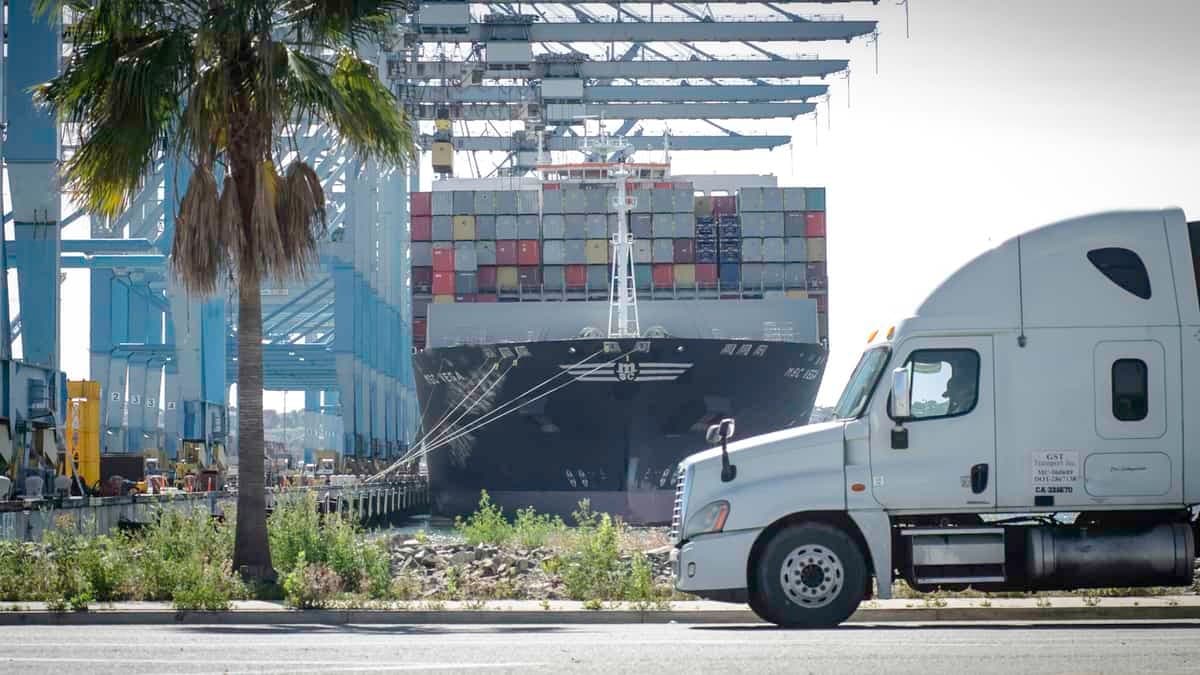
Recent trends in international ocean container volumes indicate a calming of operations at U.S.

Insights into Hapag-Lloyd’s Q3 2025 Performance and Market Dynamics on the Global Shipping Stage
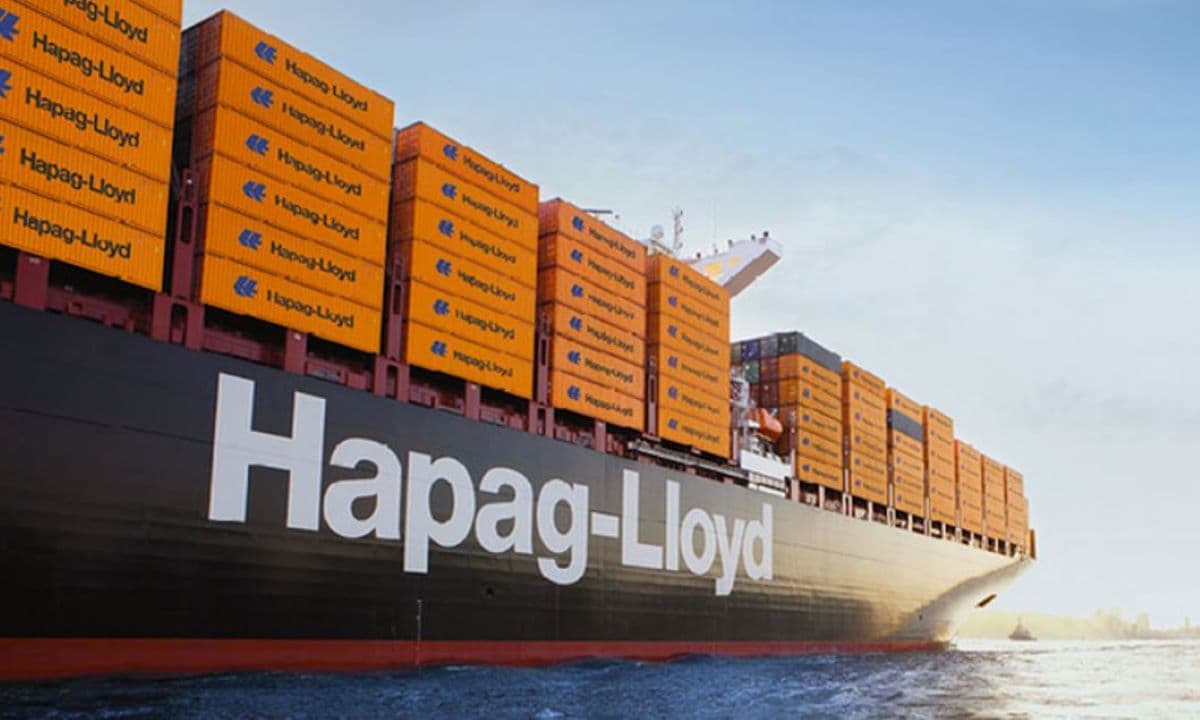
Recent figures released by Hapag-Lloyd reveal a complicated picture for one of the world’s leading container shipping companies during the third quarter of 2025.

How Inflation and Tariffs Are Shaping the Folding Carton Industry and Its Logistics Challenges
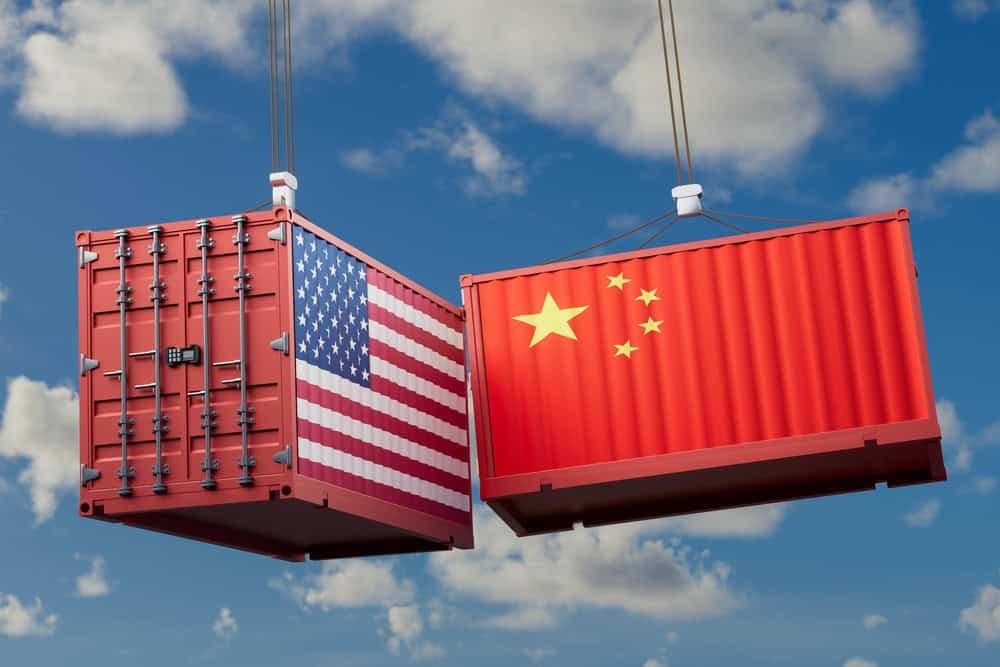
Folding carton markets have hit a rough patch lately as economic uncertainty, driven by inflation, tariffs, and wavering consumer confidence, continues to weigh down demand and shipments.

How Policy Clarity and Seasonal Restocking Energize Global Air Cargo Markets
The global air cargo scene is catching a fresh wave of momentum thanks to a mix of clearer trade policies and the all-important holiday restocking rush.

Understanding the Impact of Rare Metal Export Controls on U.S. Technology and Supply Chains
Trade agreements and tariffs governing rare metals such as gallium, germanium, antimony, and graphite carry significant weight for advanced technologies and national security.

Coastal U.S. Warehouse Demand Forecasted to Rebound Strongly in 2026 Amid Rising Transportation Costs
Warehouse space utilization is on track to bounce back, reaching robust expansion levels across the U.S.

Federal Appeals Court Halts New Limits on Immigrant Eligibility for Commercial Driver Licenses
Recent judicial action has put a temporary stop to a set of new federal regulations that aimed to restrict which immigrants qualify for commercial driver licenses (CDLs), crucial for operating semitrailer trucks and buses.

Shareholders Approval Brings Union Pacific and Norfolk Southern Merger Closer to Reality
Support from shareholders of Union Pacific and Norfolk Southern has paved the way for a transformational merger poised to create the first coast-to-coast rail network across the United States.

Enhancing Direct-to-Consumer Growth Through Precise Logistics Management in Subscription and Loyalty Programs
Subscription and loyalty programs stand tall as pillars supporting the booming direct-to-consumer (DTC) market.