Auteur
James Miller est un spécialiste de la logistique mondiale et de la dynamique de la chaîne d'approvisionnement. Ses travaux d'investigation explorent les complexités du commerce international, les défis d'infrastructure et les avancées technologiques qui façonnent le commerce moderne. Il prône des pratiques durables et la transparence dans les opérations de la chaîne d'approvisionnement.


Musket Transport launches fully funded A/Z training grant for a woman at CHET in 2026
This piece reveals Musket Transport’s 2026 initiative to fully fund A/Z driver training for an aspiring woman through its Commercial Heavy Equipment Training (CHET) facility.

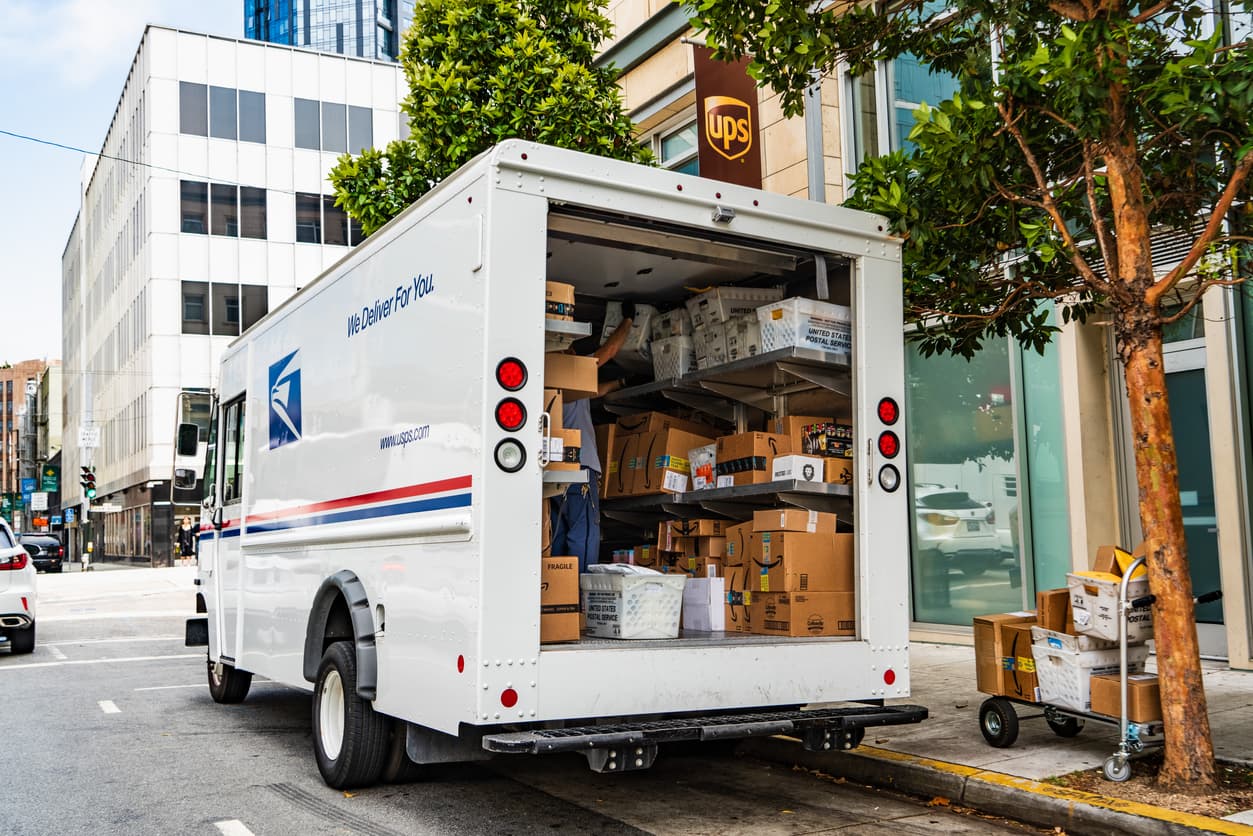
USPS Announces Bidding for Expanded Last‑Mile Delivery Network, David Steiner Comments
The U.S. Postal Service has opened a formal bidding process for participation in its expanded last-mile delivery network , inviting carriers and shippers to propose service offers for thousands of local delivery points. What’s being offered: a quick overview USPS has made more than 18,000 destination delivery units (DDUs) and local processing centers (LPCs) available through a dedicated solicitation platform. Bidders can propose combinations of volume, pricing and tender times for service at individual DDUs, specifying either same‑day or next‑day deliveries. Successful bidders are expected to be notified in the second quarter of 2026, with service rollouts planned for the third quarter. Why

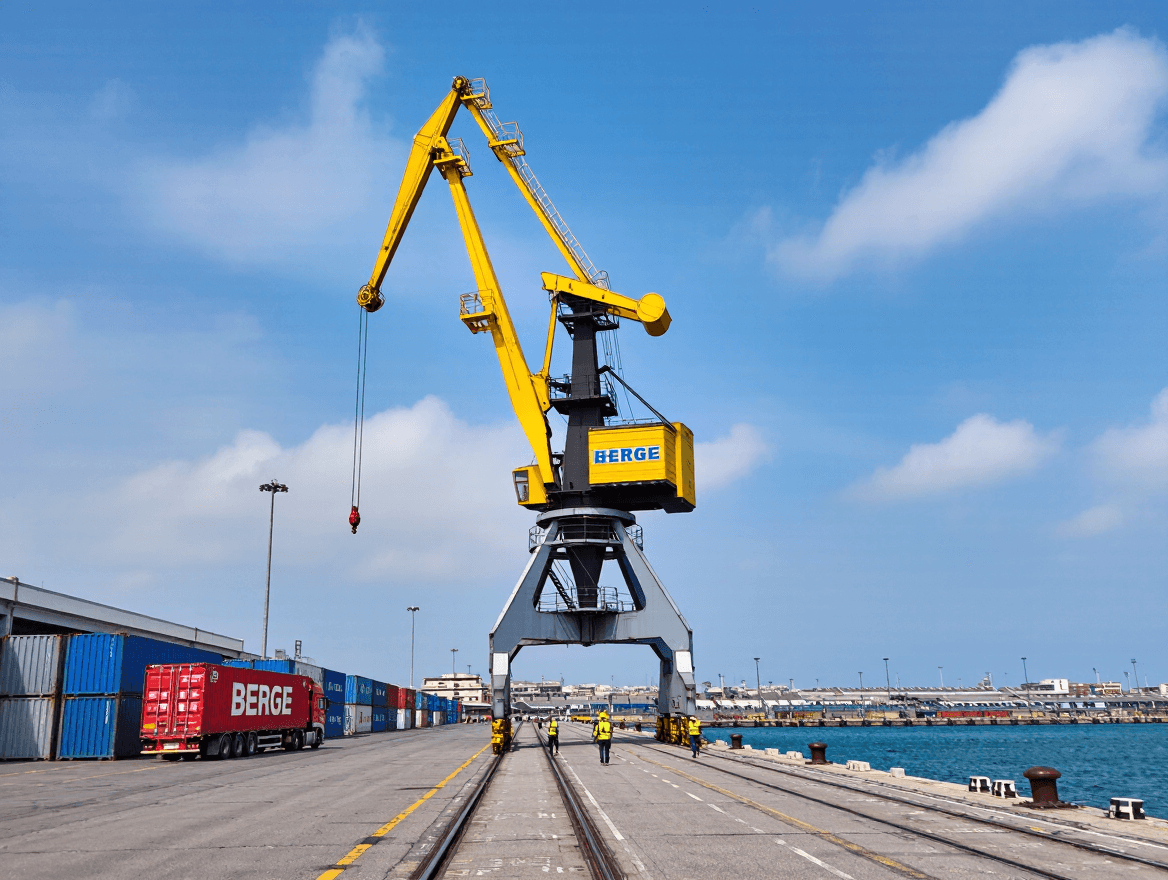
BERGÉ strengthens Santander terminal with a new Liebherr LHM 550 to improve operations
The arrival of a new Liebherr LHM 550 at the Port of Santander marks the next step in BERGÉ’s asset modernization and operational upgrade program.

How Winter Storm Fern Could Disrupt Freight, Power and Regional Transport
This piece reveals the likely impacts of Winter Storm Fern on roads, power and freight movement across a broad swath from Georgia to Texas and up the Eastern Seaboard.

Dr. Noel Hacegaba Represents the Port of Long Beach at Davos on Trade and Resilience
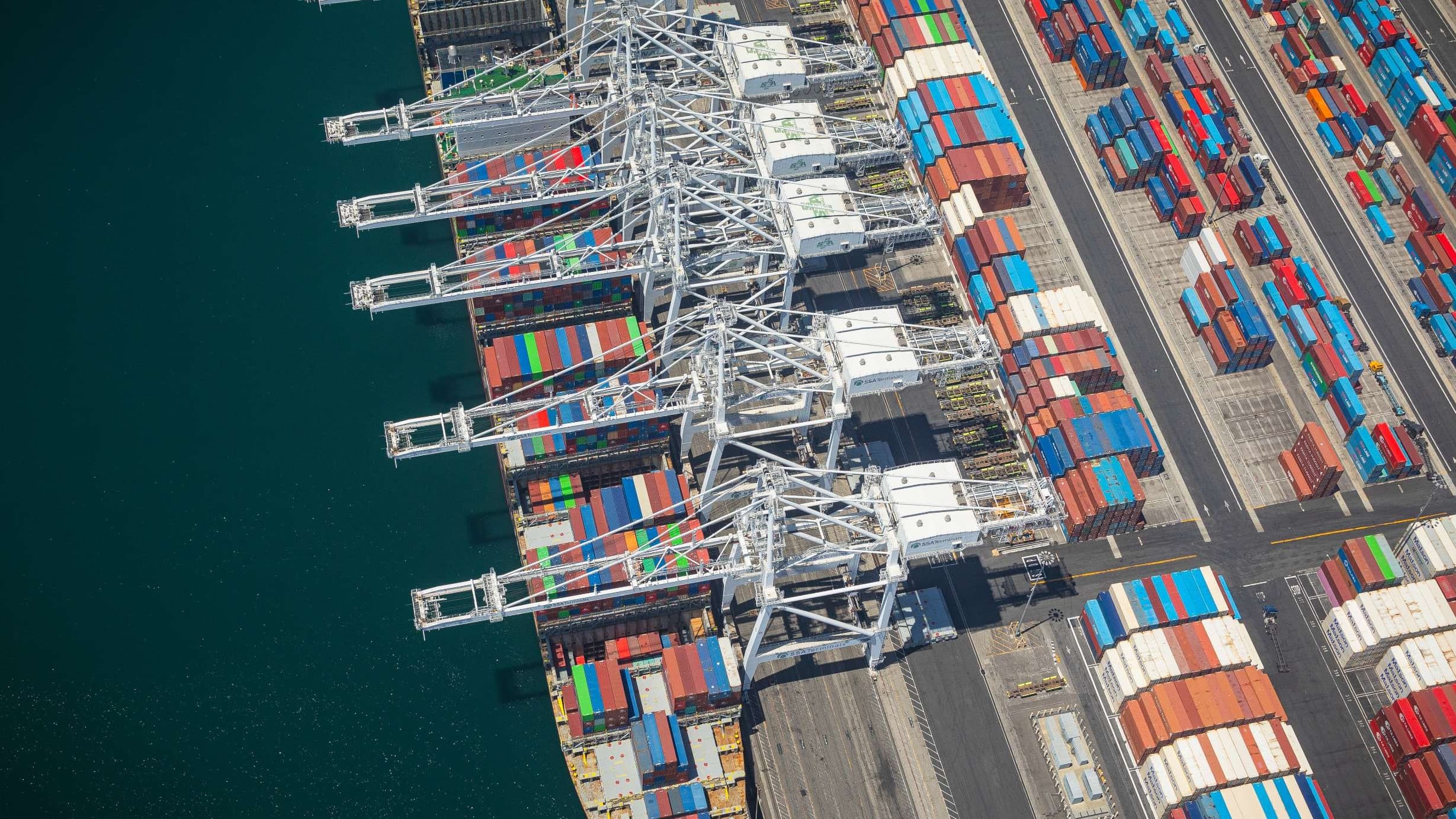
Opening: what happened in Davos and why it matters Dr. Noel Hacegaba, the new chief executive of the Port of Long Beach , attended the World Economic Forum in Davos to discuss the future of trade, supply chains and economic resilience with global leaders and industry heads. Ports at the crossroads of trade, geopolitics and technology Hacegaba emphasized that ports are “at the intersection of trade , geopolitics , climate and technology .” That’s no throwaway line—ports are literally where containers meet policy, where tariffs ripple through schedules, and where an outage can force weeks of rerouting. In short: ports aren’t just docks; they’re barometers of the global economy. At Davos, he

How Staci Americas Links People, Processes and Technology for Scalable Fulfillment
This piece reveals how connecting people, processes, and technology can turn chaotic fulfillment into predictable, scalable operations.

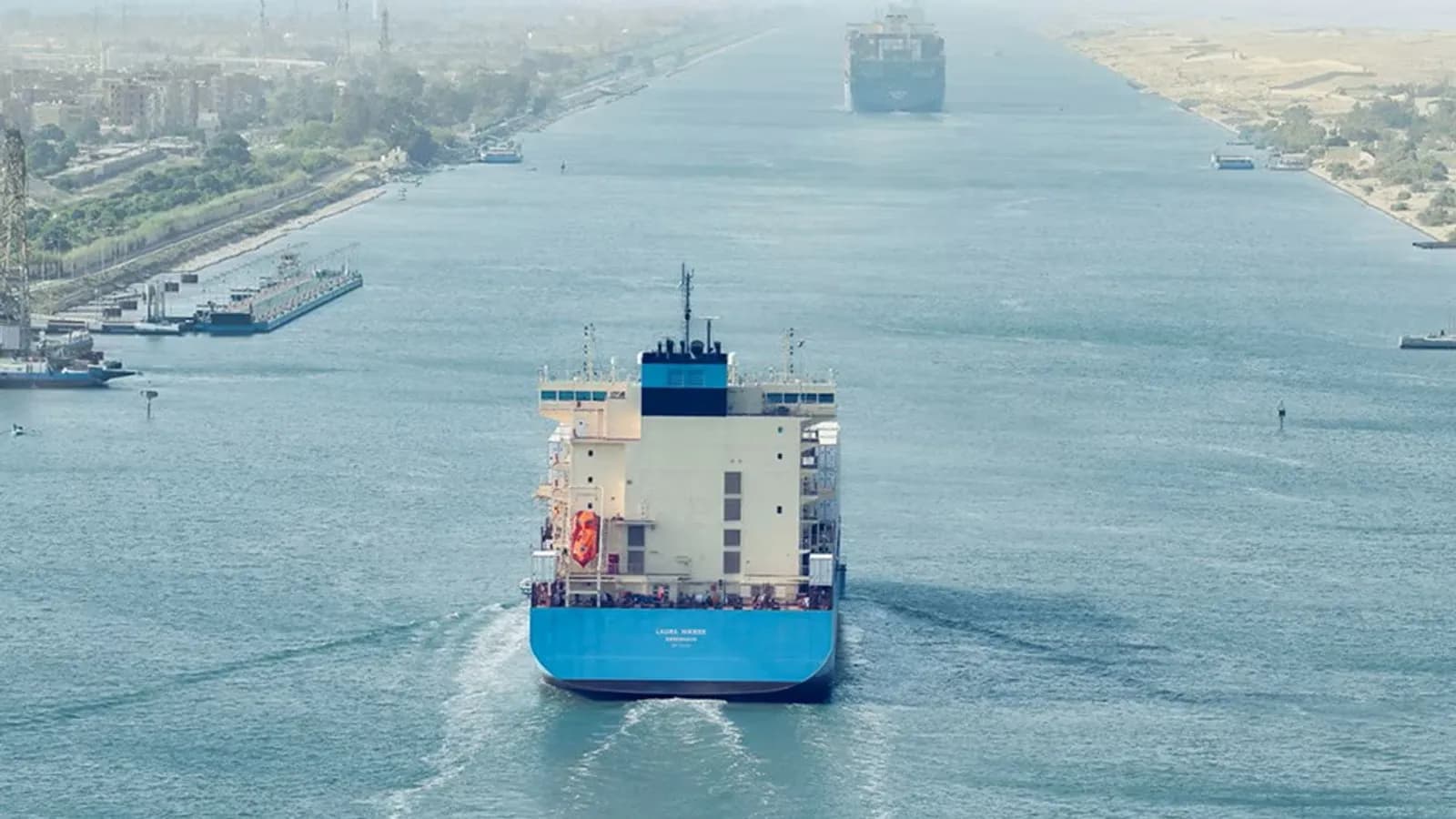
Maersk reprend son service MECL sur le canal de Suez, tandis que CMA CGM redirige certains de ses traversées autour du Cap – Ce que cela signifie pour le transport maritime
Cet article examine les approches contrastées de Maersk et CMA CGM concernant les transits en mer Rouge et dans le canal de Suez, ainsi que ce que ces choix signifient pour les expéditeurs et les chaînes d'approvisionnement.

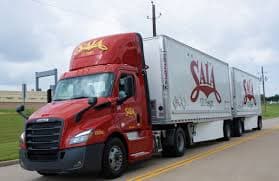
LinkEx rebrands as Saia Logistics to consolidate LTL and logistics offerings
The 3PL formerly known as LinkEx has adopted the name Saia Logistics, aligning its identity with parent company Saia to present a single, unified logistics front.

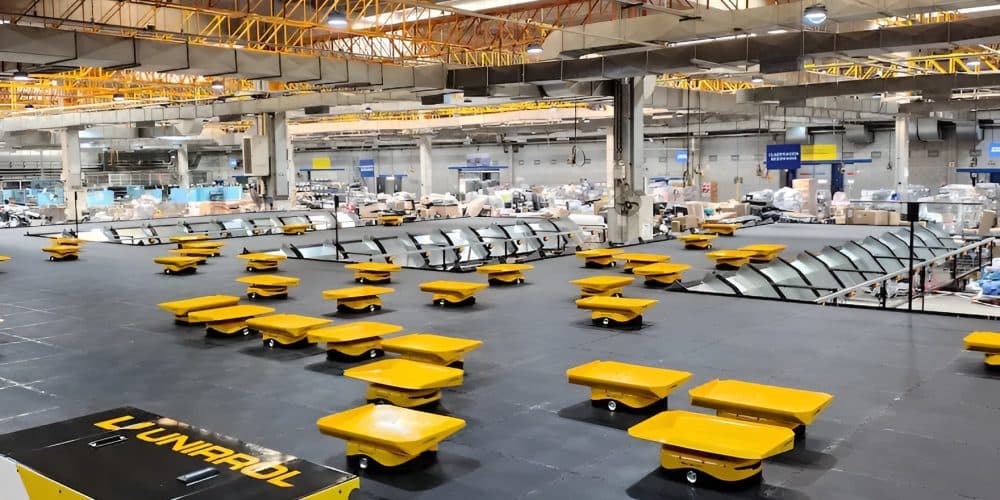
Libiao Robotics déploie le premier centre de tri entièrement robotisé pour Correo Argentino à Monte Grande
Cet article révèle l'arrivée du premier centre de tri de colis entièrement robotisé d'Argentine, livré par Libiao Robotics pour Correo Argentino à Monte Grande, près de Buenos Aires.

How Canada Post’s tentative labour agreements alter routing, weekend parcels and carrier workflows
The latest tentative contracts between Canada Post and the Canadian Union of Postal Workers change several planned operational shifts, including scrapping dynamic routing and revising weekend delivery roles.

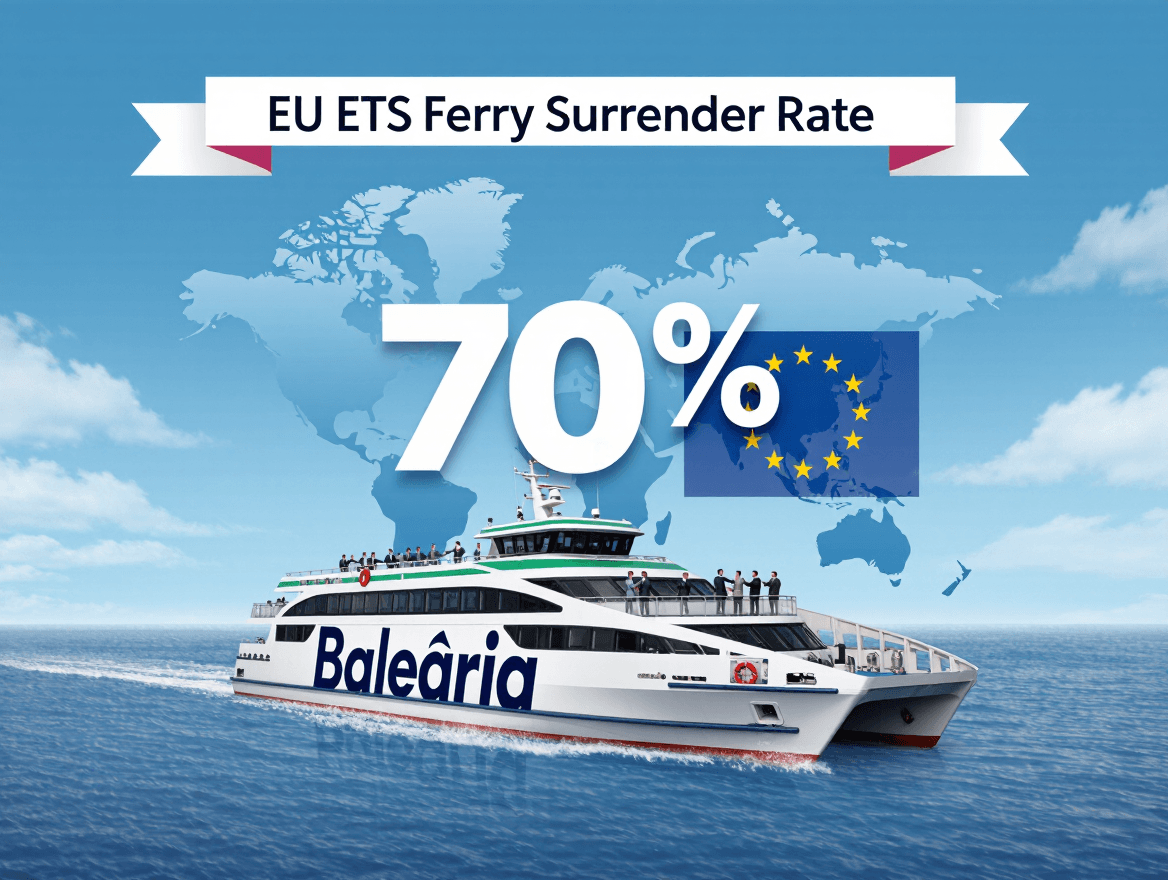
Baleària urges Interferry-backed freeze of EU ETS ferry surrender rate at 70%
This piece examines the request by Baleària, through Interferry, to keep the EU Emissions Trading System (EU ETS) surrender requirement for ferries frozen at 70% and the wider consequences for maritime and land logistics.

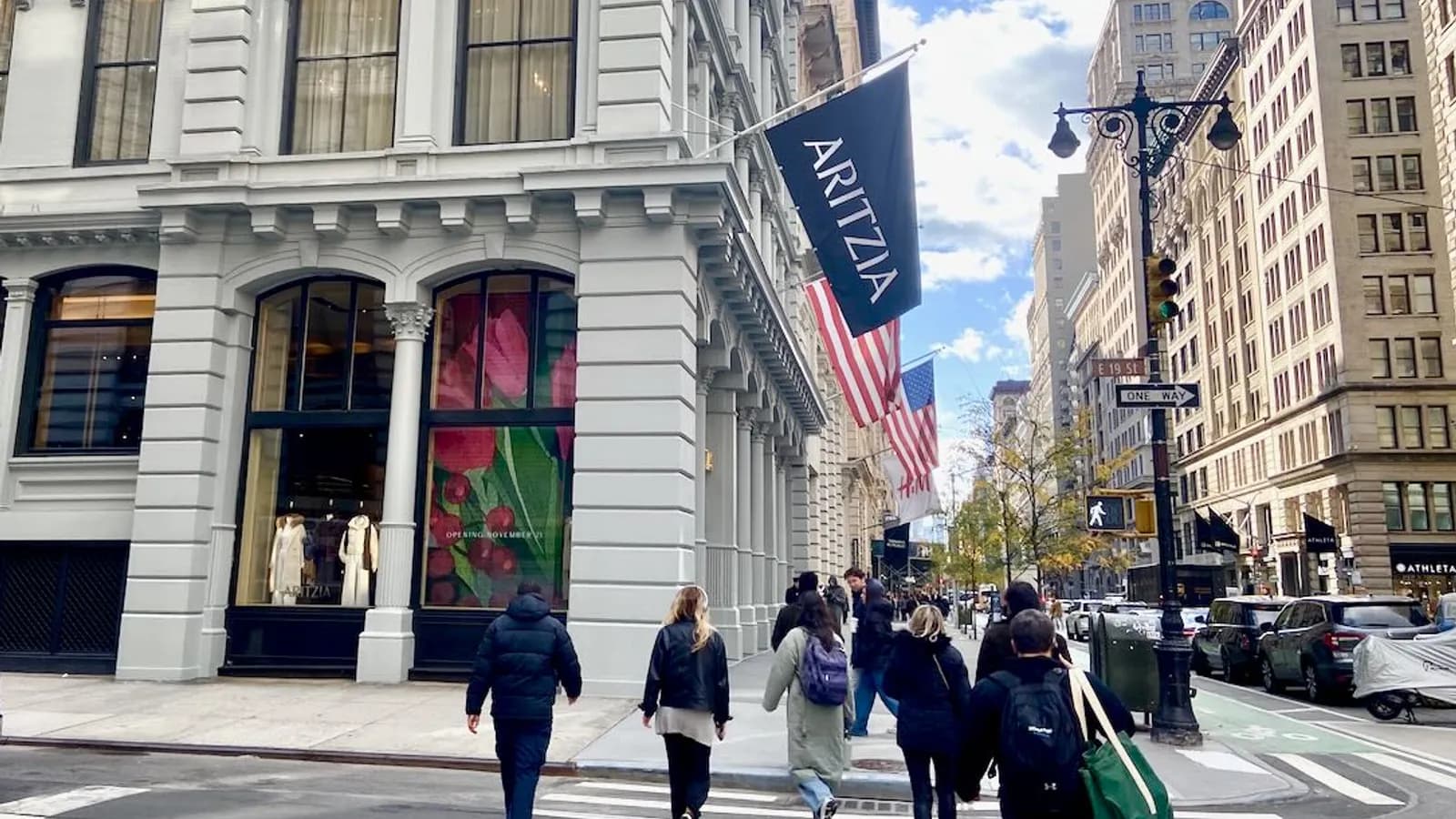
How the end of the de minimis exemption pushed Aritzia to relocate U.S. order fulfillment
This piece reveals how the end of the U.S. de minimis exemption and rising tariffs forced Aritzia to overhaul its cross-border e-commerce fulfillment and what that means for logistics players. What changed: de minimis removal and tariff pressure In August the U.S. eliminated the de minimis import exemption that previously allowed low‑value shipments (under $800) to enter duty‑ and tax‑free. That policy shift immediately altered the economics of direct‑to‑consumer imports for apparel retailers that relied on cross‑border flows. Aritzia, like peers such as Lululemon , confronted a new cost layer — tariffs — that applied to many parcels once sheltered by the exemption. The company reported