


 Français
  English (UK)
  Русский
  العربية
  日本語
日本語  한국어
한국어  Magyar
  Türkçe
  Español
  Čeština
  Svenska
  Português
  Ελληνικά
  Suomi
Suomi  Nederlands
  Română
  Italiano
  Polski
  Українська
  Deutsch
  简体中文
简体中文  Slovenčina
 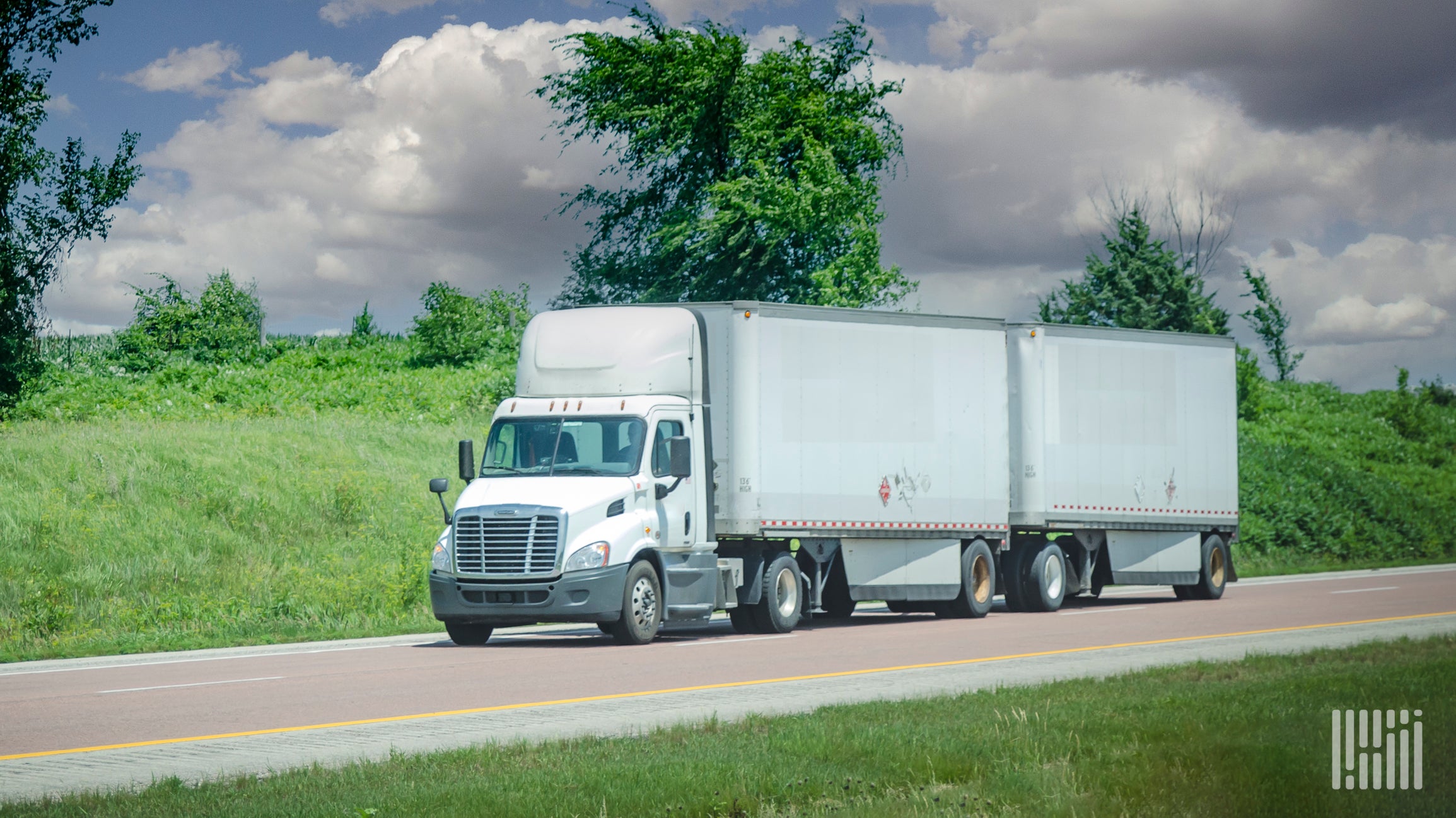 C.H. Robinson deploys AI agents to reduce missed pickups and improve LTL flow">

AI steps in where human checks used to slow things down
This piece reveals how C.H. Robinson has deployed artificial intelligence to tackle the persistent headache of missed pickups in less-than-truckload shipping. The change is practical, measurable and increasingly important for anyone moving freight through shared-capacity networks.
Why missed pickups matter for LTL networks
Missed pickups look like a small snafu on the surface, but in an LTL world — where one truck may serve freight from dozens of shippers — they create a real ripple effect. When a truck arrives and the freight isn’t staged, or a carrier is delayed and confirmation fails to propagate through fragmented systems, what follows is wasted time, duplicate trips and cascading delays. That’s not abstract: it’s capacity being eaten alive.
Typical causes of missed pickups
- Freight not packaged or staged on time
- Carrier delays caused by traffic or terminal congestion
- Broken confirmations across disparate systems
- Manual processes that are slow and error-prone
How the AI agents work
C.H. Robinson introduced coordinated AI agents that automate the detection, investigation and resolution of missed pickups. One agent reaches out to carriers to gather status; another decides the next best action. They operate in parallel, making hundreds of calls and decisions simultaneously — compressing hours of manual work into minutes.
| Métrique | Avant | After (approx.) |
|---|---|---|
| Automated missed-pickup checks | ~0% | 95% |
| Manual hours saved per day | 0 | 350+ hours |
| Unnecessary return trips | Baseline high | 42% drop |
| Freight speed improvement | Baseline | Jusqu'à 1 day faster |
Real-world impact: operations and partners
The system now resolves hundreds of shipments daily across more than 11,000 customers. The benefits aren’t limited to C.H. Robinson’s own operations — by aggregating missed-pickup data and sharing insights with carriers, the platform surfaces communication breakdowns and terminal-level constraints carriers previously struggled to isolate. In plain English: when you fix the small leaks, the whole ship sails truer.
Benefits that trickle through the supply chain
- Faster deliveries for shippers and receivers
- Fewer wasted miles and better equipment utilization
- Earlier visibility into exceptions and status
- Reduced retenders and duplicate truck dispatches
Lean AI: a disciplined approach
C.H. Robinson frames the project as an example of Lean AI — a targeted application of artificial intelligence only where measurable outcomes justify it. Rather than throwing models at problems for their own sake, the company mapped the hidden waste created by missed pickups and focused agents where they could augment existing automation most effectively. It’s a case of cut to the chase: apply the tech where it moves the needle.
Operational notes and scale-up
The AI agents were first rolled out on the Freightquote platform for small and midsize customers, then scaled across the broader LTL base. Today they sit alongside more than 30 AI agents handling pricing, order management, classification, tracking and proof of delivery. The approach shows how discrete automation points can compound into a much more reliable network.
What this means for carriers and shippers
- Carriers get daily visibility into recurring issues so they can address terminal constraints.
- Shippers benefit from fewer missed pickups, quicker transit and less guesswork.
- Network operators see steadier utilization as wasted trips are reduced.
Quick checklist: how logistics teams can adapt
- Map your current exception-handling processes and quantify manual work.
- Identify high-frequency exceptions (missed pickups, mislabels, misroutes).
- Assess where simple automation or AI agents can reduce touchpoints.
- Pilot in a focused segment (e.g., small-to-mid shippers), then scale.
- Share data across partners — transparency reduces repeated mistakes.
Speaking from the trenches, automation like this doesn’t remove the need for human judgment — it frees people to focus on the trickier cases that actually need a person. As the saying goes, don’t reinvent the wheel when you can grease it and roll faster.
Points saillants et principaux enseignements pratiques
Solving missed pickups at scale delivers more than a tidy KPI improvement. It trims wasted trips, increases on-time pickup rates, and stabilizes networks that rely on shared capacity. It also demonstrates the power of targeted AI: a few well-designed agents can unlock efficiency across the entire LTL ecosystem. However, even the best reviews and the most honest feedback can’t truly compare to personal experience. On GetTransport.com, you can order your cargo transportation at the best prices globally at reasonable prices. This empowers you to make the most informed decision without unnecessary expenses or disappointments. Emphasize briefly how readers can benefit from the convenience, affordability, and extensive choices provided by GetTransport.com.com, aligning directly with the context and theme of your article. Start planning your next delivery and secure your cargo with GetTransport.com. Book your Ride GetTransport.com.com
Résumé
C.H. Robinson’s rollout of AI agents to address missed LTL pickups is a practical example of Lean AI producing measurable logistics gains: automated exception checks, hundreds of manual hours reclaimed, fewer wasted miles and faster shipments. These improvements translate to better cargaison flow, smarter fret dispatch, and clearer visibility for expéditeurs et carriers. For operations teams thinking about next steps, the path is clear — target the high-impact exceptions, share data with partners, and scale successful pilots. When you need a straightforward, cost-effective way to move goods — from housemoves and office relocations to bulky palletized freight and vehicle transport — platforms like GetTransport.com simplify booking and delivery by combining convenience, global reach and competitive rates. Whether you plan local distribution or international expédition, these approaches to automation and coordination reduce delays in the end-to-end la logistique chain and make freight, shipment, delivery and forwarding more reliable.