


 Français
  English (UK)
  Русский
  العربية
  日本語
日本語  한국어
한국어  Magyar
  Türkçe
  Español
  Čeština
  Svenska
  Português
  Ελληνικά
  Suomi
Suomi  Nederlands
  Română
  Italiano
  Polski
  Українська
  Deutsch
  简体中文
简体中文  Slovenčina
 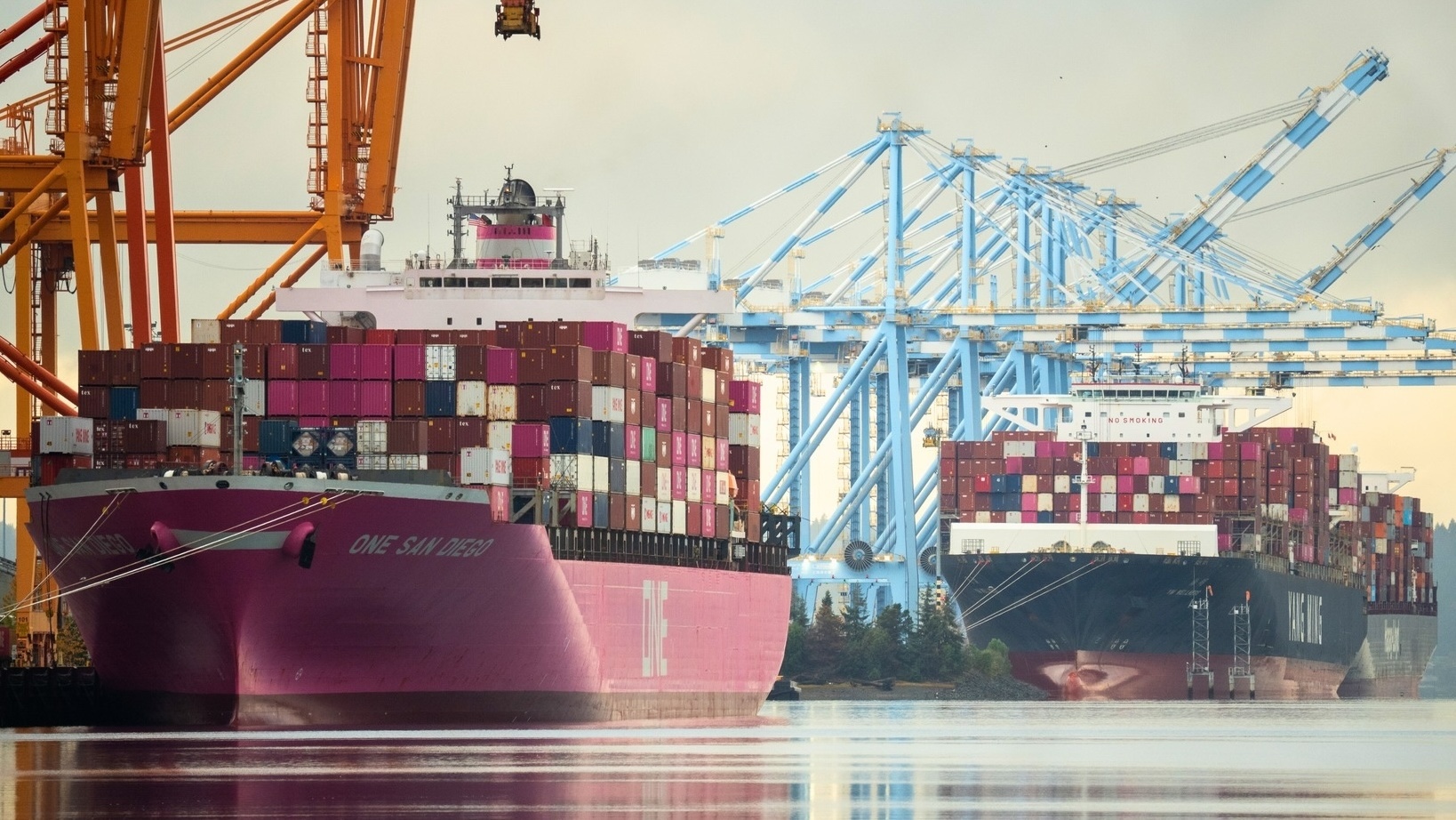 Container Import Volumes Expected to Remain Soft Through 2026 Amid Tariff and Policy Uncertainties">

Forecasting the Container Import Landscape for 2026
Retailers and supply chains are bracing for a drawn-out slowdown in container import volumes into the United States, a trend expected to stretch into 2026. Despite expected record retail sales, the underlying cargo demand at U.S. container ports is experiencing a noticeable chill, largely driven by ongoing tariffs and trade policies that are casting a long shadow over import activities.
Tariffs and Policy Uncertainty: The Twin Challenges
One cannot underestimate the way tariffs and the uncertainty surrounding trade policy have muted demand for imported goods. Importers have adjusted their strategies to navigate these challenges, leading to a shift in the timing and quantity of shipments. This dynamic has created a sort of “container hangover,” where port activity and import volumes have been declining consistently on a year-over-year basis.
Data Insights: A Closer Look at Recent Import Trends
| Mois | TEUs (20-foot equivalent units) | Variation d'une année sur l'autre |
|---|---|---|
| Octobre 2025 | 2.07 million | -7.9% |
| November 2025 (estimate) | 1,91 million d'euros | -11.6% |
| December 2025 (forecast) | 1.86 million | -12.7% |
These figures paint the picture of a significant slowdown, with November and December 2025 projected to record the lowest import traffic for the year, dipping well below the peak months seen mid-year, such as July’s 2.39 million TEUs. Traditional seasonal trends partly explain this decline, but a large chunk of the reduction relates to retailers stockpiling goods early to hedge against tariffs and potential labor disruptions at ports.
Retailers’ Proactive Stockpiling and its Ripple Effect
To dodge the blows dealt by rising tariffs and the specter of port strikes, retailers strategically front-loaded their inventories in prior months. This preemptive move cushioned holiday sales forecasts that hint at a record-breaking season; however, it also means that shipments dropped off in later months, creating an artificial lull that logistics professionals know well—a dip caused not just by demand shrinkage but savvy timing adjustments.
Impact on Shipping Rates and Container Demand
With less urgency for arranging shipping space, container shipping rates are feeling the squeeze, retreating on both coasts of the United States. This softening reflects a symbiotic relationship between volume demand and freight pricing, where a cargo lull naturally deflates rates. Businesses that rely on steady import flows must keep their eyes peeled for these fluctuations, which can influence the economics of international freight and forward planning.
Container Volume Projections for Early 2026
- Janvier : Expected slight uptick to 2 million TEUs but down 10.3% year-over-year.
- Février : Estimated 1.86 million TEUs, down 8.5% year-over-year.
- Mars : Further slump to 1.79 million TEUs, down 16.8% year-over-year.
- Avril : Recovery to 1.97 million TEUs but still a 10.9% decline year-over-year.
Clearly, the first half of 2026 is expected to mirror the cautious tone prevailing at the end of 2025, pointing to a slow recovery rather than a robust resurgence in import activity.
Long-Term Outlook and Retail Sales Paradox
Interestingly, despite the dip in container traffic, industry groups anticipate a surge in U.S. retail sales during the holiday season, projecting more than $1 trillion in spending—a growth of roughly 4% compared to the previous year. This apparent paradox highlights how stockpiling and inventory timing can decouple shipping volumes from consumer demand temporarily.
Table: Summary of Key Metrics
| métrique | 2025 (million TEUs) | Change from 2024 |
|---|---|---|
| First half container volume | 12.53 | +3.7% |
| Full year forecast | 25.2 | -1,41 % |
What This Means for Global Logistics and Supply Chains
For those deep in the trenches of logistics, freight forwarding, and broader transportation management, the container import slowdown serves as a wake-up call to remain nimble. Supply chain professionals must balance fluctuating cargo volumes, shipping rates, and port activity with retail demand rhythms that don’t always align neatly. This dynamic environment’s unpredictability underscores the need for flexible solutions in freight and haulage operations, especially as disruptions and policy shifts continue influencing global trade flows.
The Strategic Advantage of Flexible Transport Services
In times like these, platforms offering affordable and adaptable transportation services globally become an invaluable ally. GetTransport.com, for example, stands out by simplifying the complex logistics puzzle through efficient cargo transportation solutions. Whether moving a household, office assets, bulky goods, vehicles, or standard freight shipments, its versatility lends a helping hand to meet varying shipment requirements with competitive pricing and global reach.
Personal Experience Beats Opinions Every Time
While forecasts and reviews give us a compass, the real test of any shipping or logistics strategy lies in firsthand experience. Market watchers and supply chain managers know that no amount of data can replace the insights gained from personally navigating shipments amid fluctuating tariffs, rates, and cargo volumes. Now, with access to comprehensive, cost-effective options on platforms like GetTransport.com, businesses and individuals alike can make well-informed transport decisions without unnecessary expenditure or costly surprises.
Leveraging the convenience, affordability, and wide range of transport choices, users enjoy a smoother freight experience that cuts through market volatility and aligns perfectly with their diverse shipping demands. Obtenir les meilleures offres à GetTransport.com.
Looking Ahead: The Logistics Horizon for 2026
Although the global fallout from the container import slowdown may not radically shake international logistics at large, it remains a significant bellwether for U.S.-focused freight and forwarding operations. Recognizing these shifts is crucial for staying ahead in the game. GetTransport.com keeps pace with these evolving trends, ensuring clients have access to reliable, flexible cargo movement solutions no matter how the trade winds blow. Start planning your next delivery and secure your shipment with GetTransport.com.
En conclusion
To wrap it all up, the forecast for container imports into the U.S. through 2026 points to a persistent decline driven largely by tariff-induced uncertainty and retailer stockpiling strategies aimed at avoiding fee impacts and labor disruptions. This phenomenon has directly affected container volumes, shipping rates, and port activity. Despite this, record holiday retail sales are on the horizon, creating a complex interplay between shipment demand and consumer behavior.
Such an environment demands smart, flexible logistics approaches—solutions capable of handling fluctuating freight shipments, diverse cargo types, and shifting delivery schedules. Platforms like GetTransport.com exemplify this new logistics era by offering reliable, global freight and haulage services tailored to both business and personal moving needs, from parcels and pallets to bulky goods and vehicles. This streamlined, affordable approach to shipping ensures smoother distribution and relocation experiences, keeping pace with the modern market’s challenges and opportunities.