


 Français
  English (UK)
  Русский
  العربية
  日本語
日本語  한국어
한국어  Magyar
  Türkçe
  Español
  Čeština
  Svenska
  Português
  Ελληνικά
  Suomi
Suomi  Nederlands
  Română
  Italiano
  Polski
  Українська
  Deutsch
  简体中文
简体中文  Slovenčina
 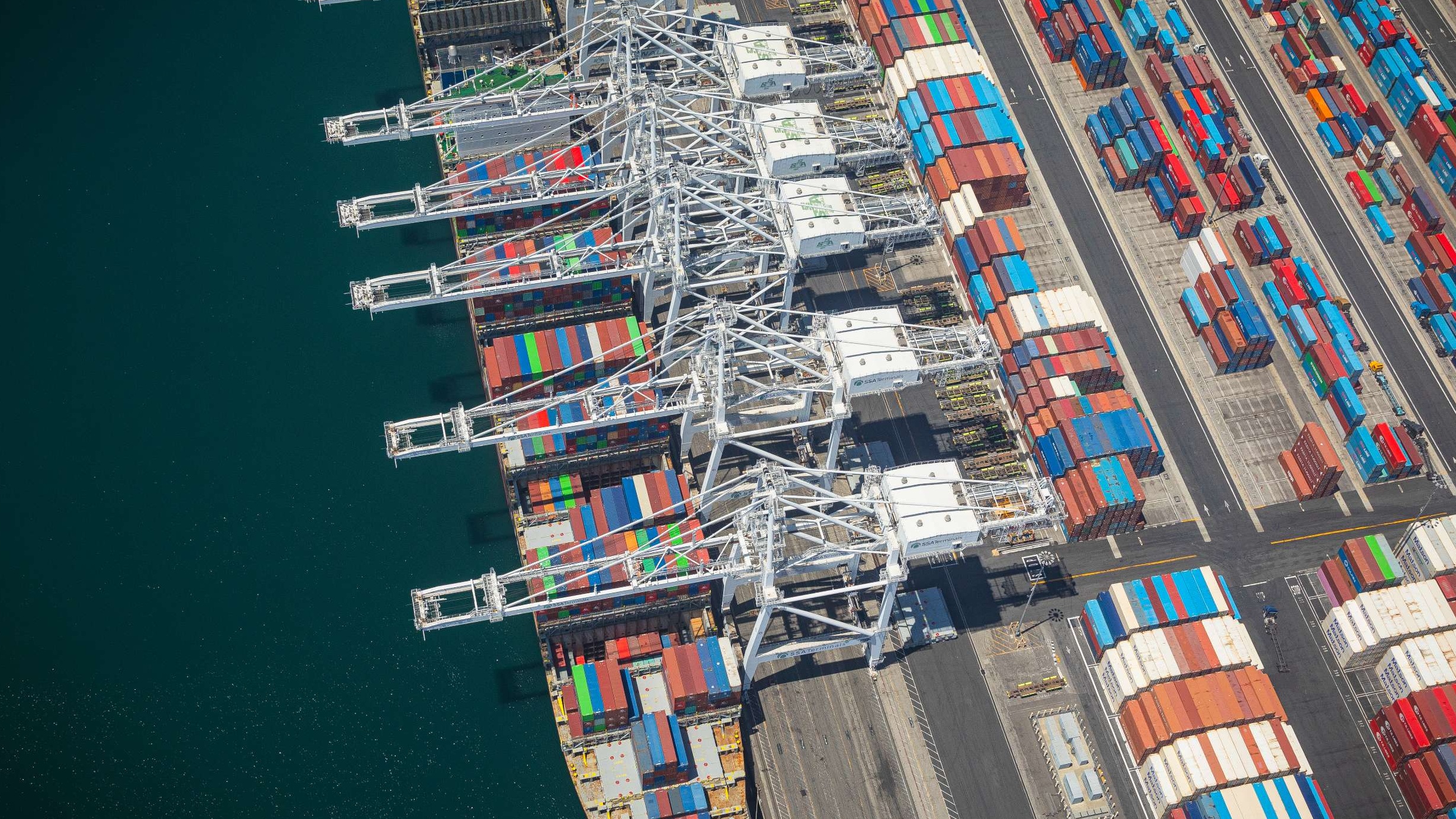 Dr. Noel Hacegaba Represents the Port of Long Beach at Davos on Trade and Resilience">

Opening: what happened in Davos and why it matters
Dr. Noel Hacegaba, the new chief executive of the Port de Long Beach, attended the World Economic Forum in Davos to discuss the future of trade, supply chains and economic resilience with global leaders and industry heads.
Ports at the crossroads of trade, geopolitics and technology
Hacegaba emphasized that ports are “at the intersection of trade, geopolitics, climate et technologie.” That’s no throwaway line—ports are literally where containers meet policy, where tariffs ripple through schedules, and where an outage can force weeks of rerouting. In short: ports aren’t just docks; they’re barometers of the global economy.
At Davos, he was the lone U.S. seaport representative, meeting cabinet-level officials, shipping CEOs and ministers from across Africa, Asia, Europe and Latin America. Those conversations ranged from tariff impacts to the next generation of sustainable port infrastructure.
What Dr. Hacegaba took to the table
- Calls for resilient supply chains that can absorb short-term shocks caused by policy shifts.
- Advocacy for sustainable investments—Long Beach plans $3.2 billion in capital improvements over the coming decade.
- Dialogue on how tariffs and shifting sourcing decisions change cargo timing and routing.
Numbers that matter: throughput, trends and investments
| Port | 2025 TEUs (approx.) | Planned Capital Spend |
|---|---|---|
| Port de Los Angeles | 10,000,000 TEUs | N/A |
| Port de Long Beach | 9,900,000 TEUs | $3.2 billion |
Those volumes are stunning but also volatile: 2025 showed weakening due to a U.S.–China trade war that has reshaped trans-Pacific lanes. When presidents and governors (President Donald Trump and Governor Gavin Newsom also attended the Forum) sit in the same hall as port leaders, policy and politics are bound to influence cargo flows.
How trade policy translates to logistics headaches
- Tarifs: change sourcing decisions and can create sudden spikes or drops in imports et exports.
- Timing shifts: cargo that used to arrive in a steady stream may bunch up, causing berth congestion and detention costs.
- Routing decisions: carriers may choose alternate ports or transshipment hubs, affecting haulage, trucking and last-mile distribution.
Conversations with industry: what was on the agenda
During Davos, Hacegaba sat down with leaders of major shipping lines, logistics providers and supply chain platforms to discuss:
- How to reduce bottlenecks and increase berth and yard capacity.
- Strategies to improve sustainability—electrification, on-dock rail, and cleaner cargo handling equipment.
- Ways to integrate digital tools to make suivi et dispatch more reliable.
Why that matters to freight forwarders, carriers and shippers
These discussions matter because they shape the investments and regulations that determine the cost and predictability of moving cargo. A policy shift can reroute thousands of containers, changing demand for truckers, warehousing space, and cross-dock operations almost overnight. In logistics, that’s not small potatoes: it affects fret rates, scheduling and inventory strategies across global supply chains.
Practical implications for operators and shippers
If you run a supply chain or manage shipments, the Davos dialogue has concrete takeaways:
- Expect continued investment in port capacity and sustainability—plan for infrastructure upgrades and temporary disruptions during construction.
- Build flexibility into routing and sourcing to mitigate tariff-driven volatility.
- Invest in visibility tools so you’re not flying blind when policy or weather throws a wrench into the works.
For companies and individuals moving goods—whether a household furniture haul, vehicle transport, or a palletized commercial shipment—platforms that provide transparent options and cost comparison will be more valuable than ever. Platforms like GetTransport.com offer affordable, global cargo transportation solutions that handle office and home moves, vehicle shipments, bulky goods and more, simplifying choices when the unexpected happens.
A quick, real-world mental picture
Imagine a logistics manager waking up to a tariff announcement: the expected volume of a certain SKU doubles or halves. Without visibility and flexibility, trucks pile up, berths get delayed and customers grumble. With contingency plans and access to a broad carrier network, that same manager can reroute, rebook, and keep goods flowing. Davos may be high-level, but the ripple effects land squarely in the yard and the yard office.
Highlights and perspective — real experience beats reviews
Key takeaways: ports are central to geopolitical and economic shifts; policy changes can create short-term volatility even when long-term demand holds; and capital projects like Long Beach’s $3.2 billion plan are meant to buy resilience and capacity. Still, no amount of analysis or glowing review substitutes for hauling your own shipment and seeing how a route performs in practice. On GetTransport.com, you can order your cargo transportation at the best prices globally at reasonable prices, helping you test options without breaking the bank. Provide a short forecast on how this news could impact the global logistics: the Davos conversations reinforce trends toward resilient, diversified routing and increased investment in port infrastructure, but they are not likely to trigger an immediate global upheaval in shipping lanes. It’s relevant to operators and platforms alike because staying nimble and informed is mission-critical—GetTransport.com aims to stay abreast of all developments and keep pace with the changing world. Start planning your next delivery and secure your cargo with GetTransport.com. Book your Ride GetTransport.com.com
Final summary
Dr. Noel Hacegaba’s presence in Davos underscores the strategic role of ports in a tangled web of trade policy, sustainability goals and tech evolution. For logistics professionals and shippers, the practical message is clear: expect policy-driven volatility, invest in visibility and flexibility, and pay attention to port modernization efforts like Long Beach’s $3.2 billion plan. Whether you’re arranging a parcel delivery, a palette shipment, an international container load, or a housemove, these shifts affect cargaison, fret, transport timing and costs. Platforms that simplify expédition, forwarding, dispatch et transport—making moving, relocation and distribution more transparent and reliable—will be ever more valuable as the world adjusts to new trade realities.