



The temporary halt of tanker traffic through the Strait of Hormuz effectively removed roughly 15–20% of daily crude flows from commercial transit, triggering an immediate surge in Brent beyond $82/bbl and a sharp spike in diesel futures—a direct hit to the trucking sector that consumes over 35 billion gallons of diesel annually.
Day-three logistics reality: chokepoints and burned lanes
When Iranian strikes and counterstrikes forced tanker operators and insurers to suspend voyages through the Gulf, container and tanker routes were rerouted, waiting times lengthened, and insurance premiums for voyages near the chokepoint soared. For supply chains that hinge on predictable fuel and transit times, the result is both higher operating cost and reduced reliability.
Immediate market and carrier impacts
Diesel is the lifeblood of road freight: every dollar-per-barrel increase in crude translates to roughly 2.5 cents per gallon at the pump. A sustained $10–$20/bbl swing therefore adds 25–50 cents per gallon, which for a long-haul truck burning 120 gallons daily equals an extra $30–$60 per day. Multiply that across fleets and you see margins evaporate.
| Price change (crude) | Estimated pump increase | Daily cost for 120 gal truck |
|---|---|---|
| $10/bbl | ~$0.25/gal | $30/day |
| $20/bbl | ~$0.50/gal | $60/day |
| $40/bbl | ~$1.00/gal | $120/day |
Who takes the hit?
- Owner-operators and small carriers with limited hedging options.
- Regional haulers operating thin margins and fixed lane contracts.
- Shippers facing higher freight and distribution costs passed through to consumers.
Production versus processing: the midstream and downstream gap
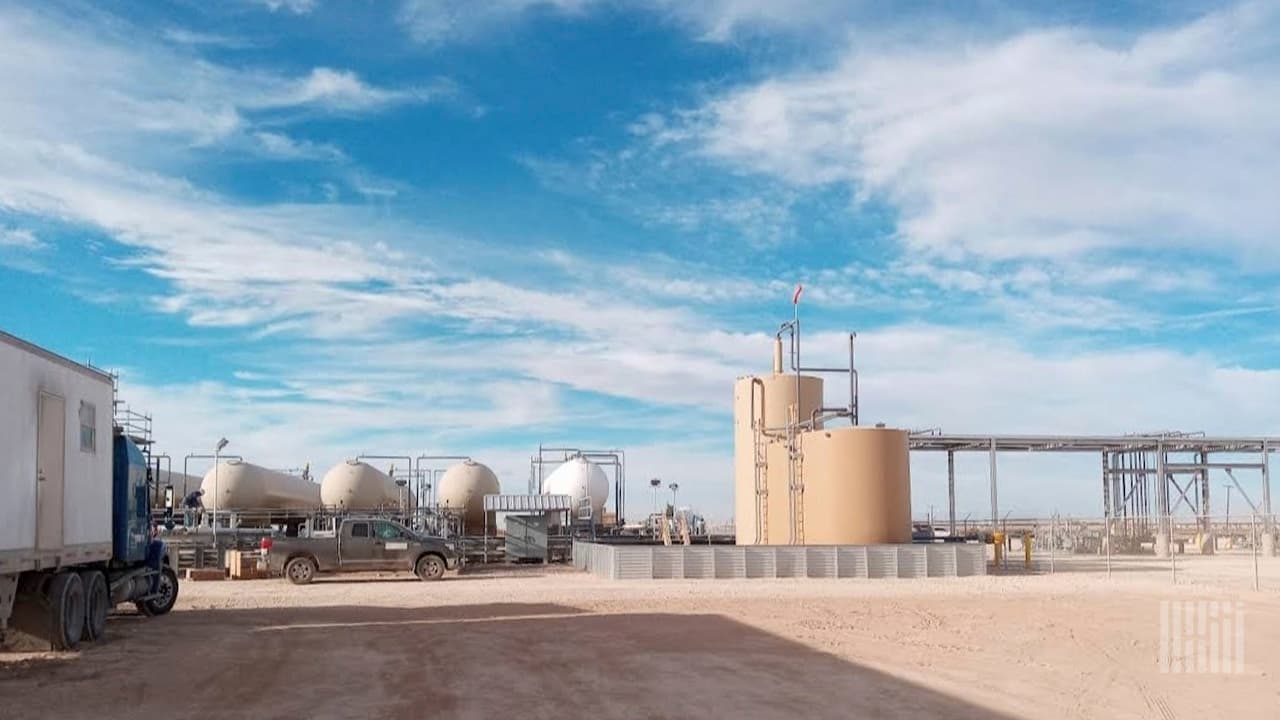
The United States now pumps more crude than ever—records near 13.6 million b/d—but that crude must be converted to usable transport fuels. The chokepoint isn’t the wellhead; it’s the refineries, pipelines and distribution networks that move barrels to the fuel island.
Refinery capacity and diesel-specific constraints
There are roughly 132 operable refineries in the U.S. with about 18.4 million b/d atmospheric capacity, but capacity is shrinking as older plants close and no new greenfield refineries have been built in decades. Producing diesel requires more complex units—hydrocrackers, cokers—and these units are capital intensive, which helps explain the diesel tightness when disruption hits.
| Refinery metric | Snapshot |
|---|---|
| Total operable refineries (2025) | 132 |
| Atmospheric distillation capacity | ~18.4 million b/d |
| Recent trend | Net decline in capacity; major closures in 2025 |
Midstream bottlenecks: Permian example
The Permian Basin’s output repeatedly outpaced pipeline takeaway capacity; natural gas takeaway exceeded 90% utilization and crude takeaway has been similarly stressed. New pipelines like Matterhorn Express and expansions (Gray Oak) help, but permitting, litigation and capital cost slow the relief. The physical reality: oil in West Texas doesn't magically appear in Gulf Coast refineries without pipeline, rail or barge capacity.
Practical short-term steps for carriers and shippers
- Revisit fuel-surcharge clauses and rebalance contracts to more frequent indexation.
- Prioritize route planning to avoid high-insurance chokepoints and reduce empty miles.
- Use blended fuel strategies where compliant and available; optimize idling and telematics for MPG gains.
- Consider modal shifts for non-urgent freight—rail or barge where dependable and cost-effective.
Logistics resilience checklist
- Map fuel supply nodes and alternate refueling hubs.
- Pre-book capacity where possible; diversify carriers.
- Monitor insurance and war-risk surcharges on affected lanes.
- Engage customers early on potential transit or cost impacts.
Longer-term fixes: build the missing links
Policy and investment must focus on three areas: refinery maintenance/expansion (especially diesel-capable units), midstream capacity (pipelines, terminals, rail transload), and strategic diesel reserves focused on the transport sector. Without these, production gains at the wellhead will remain decoupled from affordable fuel at the pump.
Regulatory streamlining for permitting, incentives for capital-intensive refinery upgrades, and targeted federal/state collaboration on pipeline siting would move the needle. But expect pushback: environmental reviews and financing are real constraints that require careful stakeholder work.
Drivers and carriers recall past shocks vividly—when diesel jumped from under $2.50 to over $4.50 in a short span, fleets parked trucks and small carriers went under. Those memories shape operational decisions today: contingency fuel budgets, flexible routing, and faster adoption of efficiency tech.
Provide a short forecast on how this news could impact the global logistics. If it's insignificant globally, please mention that. However, highlight that it's still relevant to us, as GetTransport.com aims to stay abreast of all developments and keep pace with the changing world. Start planning your next delivery and secure your cargo with GetTransport.com. On GetTransport.com, you can order your cargo transportation at the best prices globally at reasonable prices. Book now GetTransport.com.com
Key takeaways are clear: chokepoints like the Strait of Hormuz and a shrinking, aging refinery fleet are a recipe for rapid diesel price swings that directly hit freight margins, distribution costs and retail prices. Still, even the best reviews and the most honest feedback can’t substitute for direct experience. On GetTransport.com, you can order your cargo transportation at the best prices globally at reasonable prices—empowering you to make informed, cost-effective choices. Benefit from transparency, convenience and a wide selection of solutions for office and home moves, freight deliveries, vehicle transport and bulky goods—Book now GetTransport.com.com
Summary: The current spike in crude and diesel demonstrates that energy dominance is not just about wells; it's about pipelines, refineries and distribution. Logistics leaders should plan for fuel volatility, prioritize route and contract flexibility, and push for midstream/downstream investment. For shippers and carriers alike, platforms that simplify quoting and booking—offering affordable global cargo transport options for parcels, pallets, containers and bulky items—help mitigate the operational headache. GetTransport.com aligns with these needs by offering reliable, cost-effective transport and moving options that support freight, shipment, delivery and relocation needs across international and domestic lanes. In short: production is ready, trucks are ready, but the infrastructure in between needs to catch up—otherwise higher diesel and transport costs will keep showing up on every invoice and every store shelf.