


 Français
  English (UK)
  Русский
  العربية
  日本語
日本語  한국어
한국어  Magyar
  Türkçe
  Español
  Čeština
  Svenska
  Português
  Ελληνικά
  Suomi
Suomi  Nederlands
  Română
  Italiano
  Polski
  Українська
  Deutsch
  简体中文
简体中文  Slovenčina
 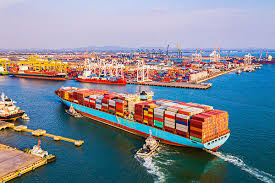 Les importations de conteneurs aux États-Unis ont diminué de 20% depuis le pic de juillet, signalant des changements d'inventaire et de chaîne d'approvisionnement.">

Decline in U.S. Inbound Container Bookings Signals Cooling Import Market
Recent data reveals a notable 20% decline in U.S. inbound ocean container bookings within six weeks, after a surge linked to tariff adjustments earlier this year. This downturn suggests that importers are recalibrating inventory levels following a swift rebound. The trend raises questions about future consumer demand and the broader impact on freight and logistics sectors as companies navigate this evolving landscape.
Changes in Global Sourcing Patterns
The import slump is accompanied by intriguing shifts in sourcing. Bookings from China to the U.S. have contracted by 25% year-over-year, while Vietnam demonstrates steady inbound growth. Despite these changes, total export bookings from China remain fairly stable overall, suggesting a redistribution rather than a significant drop in global trade flows.
Such redistribution challenges ocean carriers, who must rebalance trade routes amid shifting demand, potentially affecting service quality through altered schedules and increased blank sailings. Logistics service providers will need to stay nimble to address these changing routes and volumes.
Table: Year-Over-Year Import Booking Changes by Country
| Pays | Changer (%) |
|---|---|
| Chine | -25% |
| Vietnam | +Growth |
| Overall China Exports | Stable |
Delayed Domino Effect on Domestic Transport Markets
Since container bookings track freight yet to arrive in the U.S., their impact on domestic markets is lagging. Typical transit times from China to key ports like Los Angeles hover around 16 to 17 days. Thus, the consequences for inland logistics and distribution chains unfold weeks later.
Currently, intermodal demand ties closely to container imports, with many shippers increasingly favoring rail transport for its flexibility and ability to handle inventory storage challenges amid rising warehousing costs. Interestingly, while loaded container volumes remain on par with last year’s figures, truckload tender volumes have dipped approximately 15%. This suggests a divergence where rail maintains strength, but road haulage experiences a softer phase, especially on longer hauls where cost efficiency is critical.
Key Metrics in U.S. Domestic Freight Movement
- Intermodal demand: Stable, buoyed by container import flows
- Truckload tender volumes: Approximately 15% decline
- Container volumes (domestic + international): Flat year-over-year
Inventory Strategies Reflect Market Uncertainty
The supply chain remains in a delicate dance between upstream procurement and unpredictable downstream demand. This results in companies deploying a hybrid inventory approach: maintaining modest buffer stocks yet steering clear of excessive accumulation seen in prior years.
According to the Logistics Managers’ Index, inventory expansion rates have picked up compared to early 2024, blending proactive ordering with signs of weakening consumption. This stewardship points to transportation markets facing a potentially quiet second half unless an unexpected demand upswing jolts the system.
Retailers’ recent earnings illustrate this mixed outlook: Walmart upgraded projections, signaling optimism, whereas Target expressed a cautious planning stance.
Federal Reserve Signals Possible Economic Relief
The Federal Reserve’s Chair recently hinted at the likelihood of interest rate reductions, which temporarily lifted market spirits. However, any such changes may only gently nudge business confidence, with tangible spending boosts likely requiring more concrete actions. Monetary policy’s impact on freight and logistics is usually delayed, making consumer behavior the critical factor to watch as the year progresses, particularly through the holiday-driven fourth quarter.
Summary Table: Factors Affecting Import and Logistics Outlook
| Facteur | Effect |
|---|---|
| Tariff Pause | Triggered Spring Import Surge |
| Import Booking Drop | 20% Decline Since July |
| Sourcing Shift | China Down 25%, Vietnam Up |
| Inventory Strategy | Balanced Buffers, Avoiding Overstock |
| Rail vs Truck Demand | Rail Stable, Truckload Down 15% |
| Fed Rate Cuts | Potential, But Impact Uncertain |
Why This Matters for Logistics and Freight Forwarding
The import booking decline highlights how dynamic the supply chain currently is. For logistics providers, understanding these shifts means optimizing routing, capacity planning, and cost management to stay ahead of fluctuating demand. The interplay between ocean freight volumes, intermodal transport, and truckload hauls can influence delivery times, cost structures, and service reliability—a chain reaction trucking along the entire sector.
The tug-of-war between keeping enough inventory to avoid stockouts and avoiding costly surplus mirrors the age-old industry challenge. This delicate balancing act will continue shaping logistics strategies, from warehouse utilization to freight dispatch decisions, impacting everything from pallet and container movements to bulky goods and vehicle shipments.
The Bottom Line: Personal Experience Beats All Reviews
Import data and market analysis give valuable clues, but nothing beats firsthand experience when navigating today’s logistics environment. Platforms like GetTransport.com empower users to access global cargo transport at competitive rates, with versatility ranging from office or home moves to bulky freight and vehicle delivery. Transparent pricing and broad choices mean shippers can sidestep surprises and optimize their freight, courier, and housemove decisions efficiently.
Whether it’s securing a container load or moving a pallet, leveraging such platforms offers convenience and control. Making informed transport choices is less about guesswork and more about managing your own journey—and that’s where tools that bring transparency into play shine the brightest. Don’t let logistics be a shot in the dark; navigate it with clarity. Réservez votre transport de marchandises avec GetTransport.com.
Looking Ahead: What This Means for Global Logistics
While the recent drop in import bookings might not drastically reshape global supply chains overnight, it serves as a reminder of the close interdependencies in freight markets. Logistics platforms and operators need to stay agile, adjusting to shifts in sourcing, fluctuating demand, and evolving inventory strategies to keep the wheels turning smoothly.
At a time when the landscape is anything but static, staying informed and flexible is the name of the game. GetTransport.com remains committed to tracking these changes and offering shippers innovative, affordable solutions worldwide. Start planning your next delivery and secure your cargo with GetTransport.com.
Conclusion
Le déclin des importations de conteneurs aux États-Unis reflète un récit plus large de prudence en matière de stocks, de changements de sources et de perspectives de consommation prudente influençant la dynamique du fret. Les secteurs du transport intermodal et routier ressentent différemment les répercussions, soulignant la nécessité de réponses logistiques intelligentes face à une demande incertaine.
Essentiellement, des plateformes comme GetTransport.com comblent le fossé entre la complexité du marché et les besoins des utilisateurs, en offrant des solutions de transport fiables et rentables pour une gamme de marchandises — des colis et palettes aux expéditions internationales volumineuses. En simplifiant les choix de fret et de transport, elles permettent aux entreprises et aux particuliers de gérer facilement leurs besoins de déménagement et de relocalisation dans un environnement mondial difficile.