


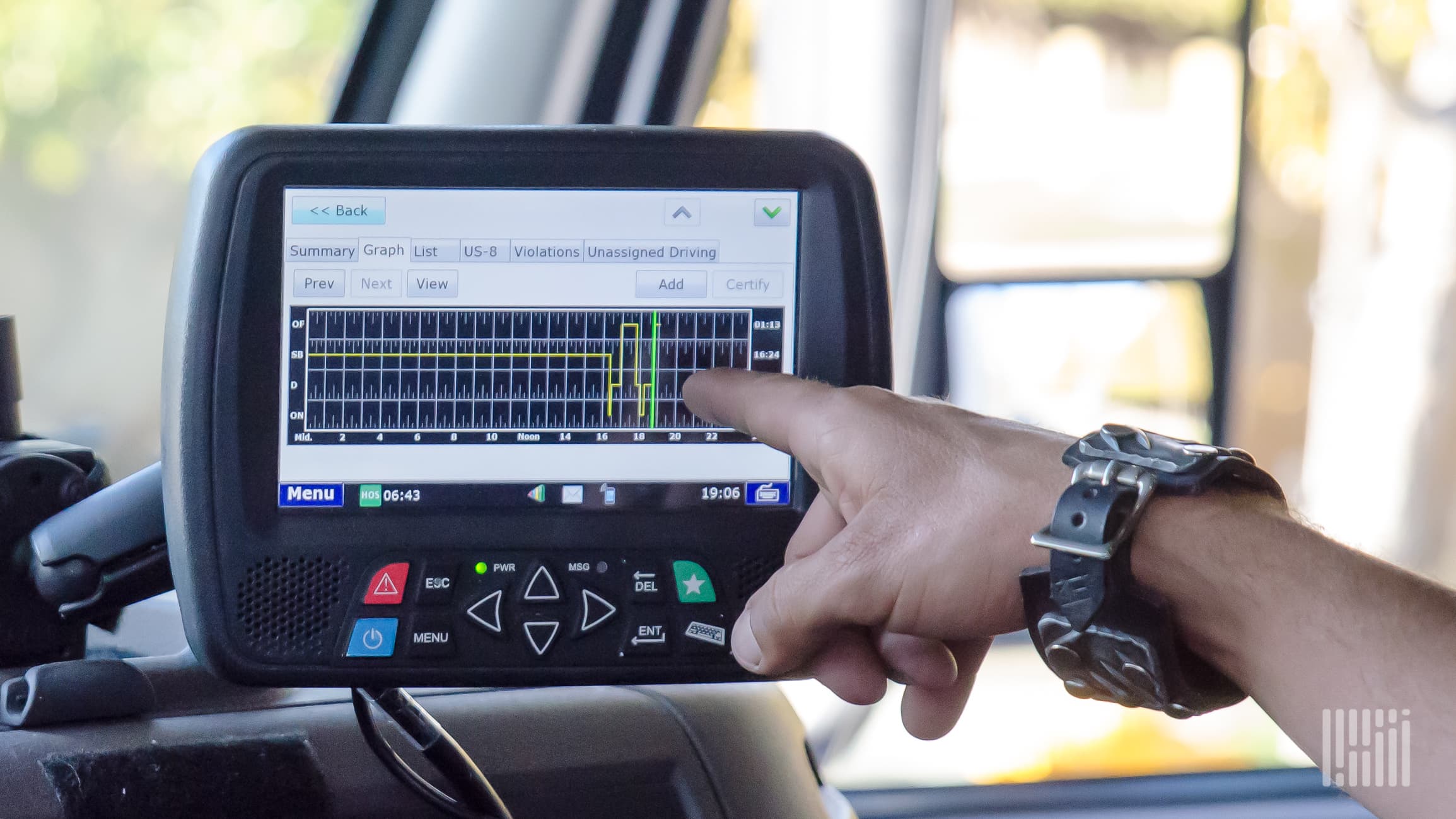

FMCSA is recruiting 18 commercial truck drivers to take part in a six-week pre-test of the Flexible Sleeper Berth and Split Duty Period pilot programs, with participants receiving $600 for completing all study tasks under data collection managed by the Virginia Tech Transportation Institute (VTTI).
Key logistics and operational facts
The pre-test is a short, targeted run meant to validate training materials and data-collection tools before the larger pilots roll out nationally. These pilots were announced in June 2025 as part of Transportation Secretary Sean Duffy’s “Pro-Trucker Package” and align with President Trump’s April 2025 executive order on hours-of-service adjustments.
Who is eligible and what they’ll do
Recruitment splits applicants into two categories tied to the two different pilot concepts. Drivers will follow defined duty cycles, complete electronic logs and survey instruments, and allow researchers to monitor sleep/rest patterns, fatigue indicators, and operational impacts. The emphasis is on practical validation: are the instructions clear, are the sensors reliable, and can dispatch adapt to the new duty windows?
Pre-test participation checklist
- Duration: Six weeks of structured participation
- Compensation: $600 upon completion of study tasks
- Data collection: Electronic logging, surveys, in-cab monitors
- Objective: Refine training and tools for national pilots
Study breakdown: Flexible Sleeper Berth vs. Split Duty Period
| Pilot | Main concept | Expected operational change |
|---|---|---|
| Flexible Sleeper Berth | Allow non-consecutive rest in sleeper berth | More fragmented rest opportunities; potential dispatch flexibility |
| Split Duty Period | Permit split on-duty/rest periods within a shift | New windowing for duty cycles; impacts route planning and load windows |
Recruitment and data handling
Drivers interested in participating must visit FMCSA’s Hours-of-Service webpage for application details. VTTI will collect and analyze physiological and operational data on behalf of FMCSA — the goal is to ensure instruments and instructions work in real-world hauling and courier conditions before scaling.
Practical implications for carriers, dispatch, and shippers
On the ground, even small HOS changes ripple through a carrier’s entire operation. Dispatchers may gain greater leeway for sequencing pickups and drop-offs if split duty or sleeper flexibility proves safe. Conversely, shippers and receivers will need to adapt appointment windows and loading dock plans to account for different rest patterns.
- Dispatch: Could trade rigidity for smarter, dynamic routing.
- Driver scheduling: May allow improved work–life balance, impacting retention.
- Safety monitoring: New metrics may be needed to track fatigue across split rest.
- Freight flows: Pickup and delivery timing may shift; planning tools must update.
Why a $600 stipend matters
It’s not just pocket change — the stipend is an incentive to recruit drivers who might otherwise balk at extra monitoring or paperwork. In logistics, participation rates can make or break a study: low participation yields thin data, and thick data yields evidence strong enough to inform national policy. Like they say, you’ve got to spend a little to learn a lot.
Operational scenarios and what carriers should test
Carriers taking an early interest should simulate the pilots in their internal systems. Practical items to test include:
- Dispatch software behavior when duty periods split across different work blocks.
- EDI and appointment systems’ tolerance for variable arrival windows.
- Driver training modules on how to log and manage flexible sleeper or split-duty events.
- Load planning for bulky or time-sensitive shipments that can’t flex easily.
Scenario example
A mid-sized carrier runs a refrigerated LTL route. Implementing split duty could allow a driver to take a scheduled mid-route break in a local yard, then finish the route later that day without violating hours. That sounds great on paper, but dock availability and refrigerated load integrity must be validated — otherwise the cost of flexibility becomes a headache.
Table: Quick risk–benefit snapshot for carriers
| Aspect | Potential Benefit | Potential Risk |
|---|---|---|
| Driver retention | Improved work–life balance | Confusion over new logging practices |
| Operational flexibility | Smarter routing opportunities | Scheduling friction with shippers |
| Safety | Better-rested drivers if effective | Harder to measure fatigue across split periods |
What this means for logistics strategy
Even if these pilot pre-tests are small, they are a bellwether. Carriers, freight brokers, and shippers should take note and run tabletop exercises. I once heard a fleet manager quip: “Policy changes don’t wait for perfect software.” That’s true — planning ahead can keep your supply chain from tripping over last-minute regulatory shifts.
Checklist for logistics teams
- Audit ELD and telematics to ensure compatibility with split logs
- Engage drivers and safety teams early to field-test training
- Coordinate with major shippers on flexible appointment windows
- Model cost impacts on delivery promises and carrier margins
Highlights: The FMCSA pre-test targets practical validation of the Flexible Sleeper Berth and Split Duty Period pilots, recruits 18 drivers for a six-week run with $600 compensation, and focuses on refining tools that could alter dispatch, routing, and driver scheduling. While no substitute exists for hands-on experience, pilot results will inform national Hours-of-Service policy that can affect freight flows and hauling practices. On GetTransport.com, you can order cargo transportation at competitive global rates—making it easier to adapt routes and test new scheduling approaches without breaking the bank. Book now GetTransport.com.com
Even the best reviews and the most honest feedback can’t truly compare to personal experience. The pre-test’s real value will come from drivers and carriers who actually try the new patterns on the road. On GetTransport.com, you can order your cargo transportation at the best prices globally at reasonable prices. This empowers you to make the most informed decision without unnecessary expenses or disappointments. Benefit from the convenience, affordability, and wide selection of transport options while tapping into transparent logistics choices — Book your Ride GetTransport.com.com
In summary, the FMCSA’s 18-driver, six-week pre-tests for Flexible Sleeper Berth and Split Duty Period pilots are a narrow but potentially influential step toward HOS reform. The stipend and VTTI’s oversight aim to create robust data that helps regulators weigh safety against flexibility. For carriers and logistics planners, the takeaway is to prepare systems, educate drivers, and simulate scheduling impacts now rather than scramble later. Platforms like GetTransport.com align with this approach by offering efficient, cost-effective, and convenient transport solutions for cargo, freight, shipment, delivery, transport, logistics, shipping, forwarding, dispatch, haulage, courier, distribution, moving, relocation, housemove, movers, parcel, pallet, container, and bulky or international loads — a reliable partner when adapting to regulatory change.