


 Français
  English (UK)
  Русский
  العربية
  日本語
日本語  한국어
한국어  Magyar
  Türkçe
  Español
  Čeština
  Svenska
  Português
  Ελληνικά
  Suomi
Suomi  Nederlands
  Română
  Italiano
  Polski
  Українська
  Deutsch
  简体中文
简体中文  Slovenčina
 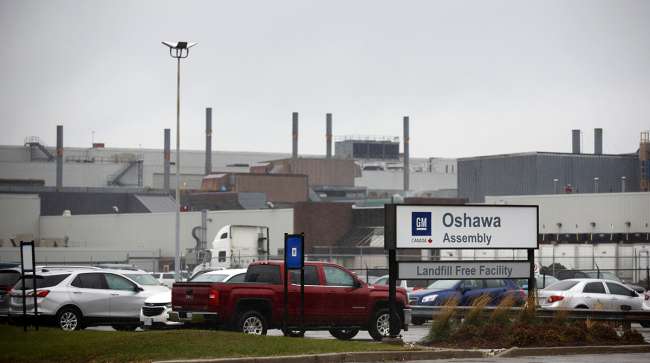 GM Retarde les Coupes de Poste à l'Usine de Camions Ramassés d'Oshawa Face à des Défis Tarifaires">

GM Extends Production Levels at Oshawa Plant
In an unexpected move, General Motors has decided to keep all three shifts running at its Oshawa, Ontario pickup truck assembly plant until at least January 30. This decision temporarily halts previously announced plans to cut one of the shifts, providing a reprieve for the workers involved in the facility. The change comes amid the uncertainty stirred by trade tariffs affecting the auto industry.
Background of the Shift Cut Plans
Earlier in the year, GM communicated intentions to reduce operations at the Oshawa plant based on lower forecasted demand and evolving trade challenges. The intended shift cut was scheduled for implementation in the fall. Meanwhile, to offset these changes, GM has plans to increase production of the Chevrolet Silverado at its factory in Fort Wayne, Indiana.
Union Response and Industry Impact
The trade union representing the Oshawa workers, Unifor, has welcomed this delay as a sign of progress, yet notes that the larger situation remains fragile. Unifor has been active in engaging with government figures to contest the tariffs and advocate for relief measures to support Canadian auto manufacturing jobs.
| Factory | Localisation | Current Shifts | Production Focus | Shift Changes |
|---|---|---|---|---|
| GM Oshawa Plant | Ontario, Canada | 3 | Chevrolet Silverado | Shift cut delayed until Jan 30 |
| Stellantis Windsor Plant | Ontario, Canada | 2 (previously reduced) | Chrysler minivans and Dodge Charger Daytona | Third shift to return Q1 2026 |
Cross-Border Trade Context
Trade tariffs imposed on imported vehicles have disrupted established manufacturing patterns. The imposition of levies on foreign-made cars prompted retaliatory measures from Canada, affecting U.S.-made vehicles as well. These tariffs have impacted production schedules, making companies rethink where and how they allocate manufacturing resources.
Tariff Relief and Investment Incentives
Despite the tariffs, Canadian authorities have offered mechanisms for tariff relief if automotive companies make ongoing commitments to producing vehicles and investing in domestic plants. This creates a delicate balancing act between trade policy and encouraging local industry investment.
Stellantis’ Windsor Factory Adjustment
Adding to the landscape, Stellantis is reviving a third shift at its Windsor facility, also in Ontario, with an eye towards early 2026. This factory had previously reduced production hours soon after tariffs took a toll on business. The move signals some recovery and adaptation within the industry to changing trade dynamics.
Logistical Considerations of Production Shifts
From a logistics standpoint, managing changes in production schedules across borders means the entire supply chain faces ripple effects. Suppliers, transport providers, and even warehouse operators have to stay nimble to accommodate fluctuations in shipment volumes, schedules, and destinations.
For example, the continuation of three shifts at Oshawa keeps the flow of parts and finished vehicles steady, reducing the risk of disruptions downstream. Conversely, when shifts are cut or ramped up, logistics planners need to adjust freight and transport capacity promptly. Here, platforms like GetTransport.com shine by connecting shippers with competitive and reliable cargo transport options worldwide, ensuring smooth movement even in volatile production circumstances.
Impact sur les réseaux de fret et de distribution
- Inventory management: Manufacturers must carefully balance parts stocking to avoid halts on the assembly line.
- Transport coordination: Line-side delivery of parts requires precision timing, especially when shifts change.
- Freight cost optimization: Adjusting transport loads due to variable production affects pricing and carrier selection.
The Human Factor: Workers and Communities
While tariffs and corporate strategy form the backdrop, the heart of the story is the workforce. Hundreds of auto workers at Oshawa have had uncertainty hanging over their heads. The shift delay provides some breathing room, avoiding immediate layoffs or reduced hours.
Unions remain vocal that ongoing negotiations with government and industry leaders are vital to preserving jobs and encouraging plant investments. Their involvement highlights how labor representation and industry policy must work hand-in-hand in the complex automotive manufacturing ecosystem.
Résumé des points clés
| GM Oshawa Plant | Shift cut delayed until January 30 |
| Stellantis Windsor Plant | Third shift returning Q1 2026 |
| Tariffs Impact | Ongoing challenges leading to adjustments in production and strategy |
| Logistics Effect | Freight and distribution networks must adapt quickly to production shifts |
A Closer Look at What It Means in Practice
This case illustrates the complexities that trade policies can inject into automotive manufacturing and its logistics chain. Shifts in production often demand a ripple through supplier networks, freight management, and final distribution. Staying flexible becomes key—for manufacturers and logistics providers alike.
Des plateformes comme GetTransport.com stand ready here to simplify freight decisions, offering access to affordable, worldwide cargo shipping solutions. Whether moving parts, vehicles, or bulky finished goods, the service supports smooth operations no matter how external factors shake the landscape.
Personal Experience and the Power of Choice
While industry announcements and union statements paint the big picture, nothing quite beats firsthand experience when it comes to navigating logistics challenges. On GetTransport.com, users can secure cargo transport at competitive prices globally, taking control of their shipment planning and avoiding surprise expenses or delays.
La transparence et le large éventail de choix sur la plateforme permettent aux expéditeurs et aux entreprises de prendre des décisions éclairées, alignées sur leurs besoins spécifiques. Réserver et explorez des options de fret flexibles et fiables à GetTransport.com.
Perspectives d'avenir : Implications pour la logistique mondiale
Dans le monde entier, ce développement particulier en matière de gestion des équipes dans une usine automobile, au milieu des pressions tarifaires, peut sembler n'être qu'un petit élément dans le vaste puzzle de la logistique internationale. Mais cela souligne le besoin essentiel d'adaptabilité dans les chaînes d'approvisionnement. Les entreprises doivent rester agiles et réactives à mesure que les règles et les modèles commerciaux évoluent.
GetTransport.com reste vigilant dans le suivi de ces développements, garantissant à ses utilisateurs une coordination fluide avec les tendances mondiales du transport de marchandises. Commencez à planifier votre prochaine livraison et sécurisez votre fret avec GetTransport.com pour naviguer dans ce terrain logistique en constante évolution.
Conclusion : Naviguer la production et le transport en temps d’incertitude
La décision de General Motors de reporter les réductions de personnel dans son usine d'Oshawa démontre comment des facteurs externes comme les droits de douane influencent profondément la fabrication et l'emploi. Les ajustements de production se répercutent dans les réseaux de transport, de distribution et de logistique, exigeant des réponses rapides et mesurées.
En répondant à un large éventail de besoins de transport — des déménagements de bureaux et des marchandises volumineuses aux expéditions de véhicules —, des plateformes telles que GetTransport.com simplifient le réseau complexe de la logistique internationale. Leurs solutions fiables et rentables aident les entreprises et les particuliers à faire face aux fluctuations de l'offre et de la demande, garantissant une livraison dans les délais et une tranquillité d'esprit.