


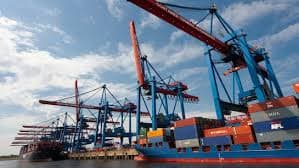

Spot freight and crude-linked transport surcharges have climbed since hostilities flared in the Middle East, directly feeding into higher input costs for manufacturers and adding immediate pressure on export logistics chains.
Immediate logistics effects: fuel, routes and lead times
Rising crude oil prices translate quickly into higher road, sea and air transport costs because fuel is a large component of operational expenditure for haulage, container shipping and air cargo. Exporters sourcing raw materials from or transiting through affected corridors face both higher freight rates and potential re-routing that increases mileage and transit time. The knock-on is obvious: longer lead times, higher shipping invoices, and more complex planning for export documentation and insurance.
Which modes feel it most?
Sea freight absorbs immediate bunker-cost increases, while short-term insurance premiums for vessels transiting perceived-risk zones can spike. Road haulage sees diesel surcharges hit margins, and air freight reacts to jet fuel volatility with swift price adjustments — especially for time-sensitive shipments. For multimodal shipments (container to truck to rail), each leg’s cost inflation compounds.
Key route and currency pressure
Trade corridors through the Red Sea, Suez alternatives and surrounding airspace are the most exposed. Disruptions can also affect currency stability in commodity-importing countries; exporters in markets like India may see margin compression if the Indian Rupee faces depreciation pressure as energy import bills rise.
| Impact | Logistics consequence |
|---|---|
| Crude price rise | Higher bunker and diesel costs; increased freight surcharges |
| Route diversion | Longer transit times; higher fuel consumption and labor costs |
| Insurance and security premiums | Added cost per container/flight; tighter carriage terms |
| Buyer caution | Lower order volumes; export revenue volatility |
Exporters’ perspective and market sentiment
Industry leadership has reported a sharp sentiment change: buyers become cautious when geopolitical risk spikes, and demand softens. Sunil Kohli, Managing Director of Rahat Cargo, highlighted that when raw material and crude prices rise, small and medium enterprises feel the squeeze first. That observation is consistent with historical patterns where SMEs, with thinner cash buffers, temporarily curtail production or pass costs down the chain — reducing overall export volumes.
Why SMEs are vulnerable
- Thin margins: limited ability to absorb fuel and input cost increases.
- Working capital constraints: higher currency volatility raises financing costs.
- Fixed transport contracts: many cannot renegotiate freight terms quickly.
Operational adjustments logistics teams are making
Logistics managers are not sitting idle. Common measures include negotiating short-term fuel clauses, consolidating shipments to reduce per-unit haulage costs, switching carriers for better routing, and increasing inventory buffers where lead-time risk is highest. Some importers are also prioritizing container fills and pallet optimisation to blunt the effect of higher per-shipment surcharges.
Practical checklist for exporters
- Review fuel surcharge clauses in contracts and include contingency language.
- Assess alternative maritime routes and calculate additional transit time vs cost.
- Consolidate shipments to reduce per-unit freight and handling costs.
- Hedge critical commodity exposure where possible to stabilise input costs.
- Engage freight forwarders early to secure capacity and insurance terms.
Table: Tactical options vs expected effect
| Action | Short-term effect | Logistics trade-off |
|---|---|---|
| Route diversion (longer but safer) | Reduced security risk | Increased fuel cost and lead time |
| Shipment consolidation | Lower per-unit freight | Higher inventory and potential delay |
| Insurance top-up | Greater risk cover | Higher operating cost |
| Forward purchasing of fuel | Hedges price spikes | Cash outlay and storage considerations |
Real-world note (a small anecdote)
I once worked with a mid-sized exporter who, during a similar flare-up, doubled down on consolidation and temporary warehousing. It felt like a gamble at first, but by moving to pallet-level optimisation and pre-booking space with a reliable carrier, they covered a dip in shipments without passing all costs to customers. It’s a classic “penny wise” move — small operational fixes can blunt big headline shocks.
When government support matters
Government interventions — from targeted subsidies to export credit adjustments — can stabilise competitiveness. During sustained instability, calibrated policy support becomes essential to prevent long-term erosion of export markets and to maintain supply-chain resilience, especially for vulnerable SMEs.
Takeaways for logistics planners
Logistics teams should treat current tensions as a stress-test: run scenario planning for fuel spikes, insurance hikes, and route closures. Tight coordination between procurement, treasury and distribution is vital to keep shipments moving while protecting margins.
Important highlights: the situation increases transport and freight costs, affects shipment lead times and buyer sentiment, and forces exporters to reassess routing, insurance and inventory strategies. Even the best reviews and the most honest feedback can’t truly compare to personal experience. On GetTransport.com, you can order your cargo transportation at the best prices globally at reasonable prices. This empowers you to make the most informed decision without unnecessary expenses or disappointments. The platform’s transparency and convenience give shippers access to diverse options for cargo delivery, bulky-item moves, and vehicle or furniture transport — all with competitive pricing. Book your Ride GetTransport.com.com
To wrap up: higher crude and raw-material prices from Middle East tensions push up shipping and logistics costs, pressuring exporters and altering route economics. Freight forwarders and carriers will likely pass on surcharges while insurers adjust premiums for perceived risk. Exporters and logistics planners should prioritise flexible forwarding strategies, consolidation, and active hedging to keep dispatch and distribution moving. Platforms such as GetTransport.com can simplify the search for reliable, cost-effective options — whether you need parcel, pallet, container or bulky-item transport, domestic haulage or international relocation. By using transparent online tools and a broad marketplace, shippers can secure competitive quotes, reduce wasted time, and keep operations resilient in a volatile environment.