


 Français
  English (UK)
  Русский
  العربية
  日本語
日本語  한국어
한국어  Magyar
  Türkçe
  Español
  Čeština
  Svenska
  Português
  Ελληνικά
  Suomi
Suomi  Nederlands
  Română
  Italiano
  Polski
  Українська
  Deutsch
  简体中文
简体中文  Slovenčina
 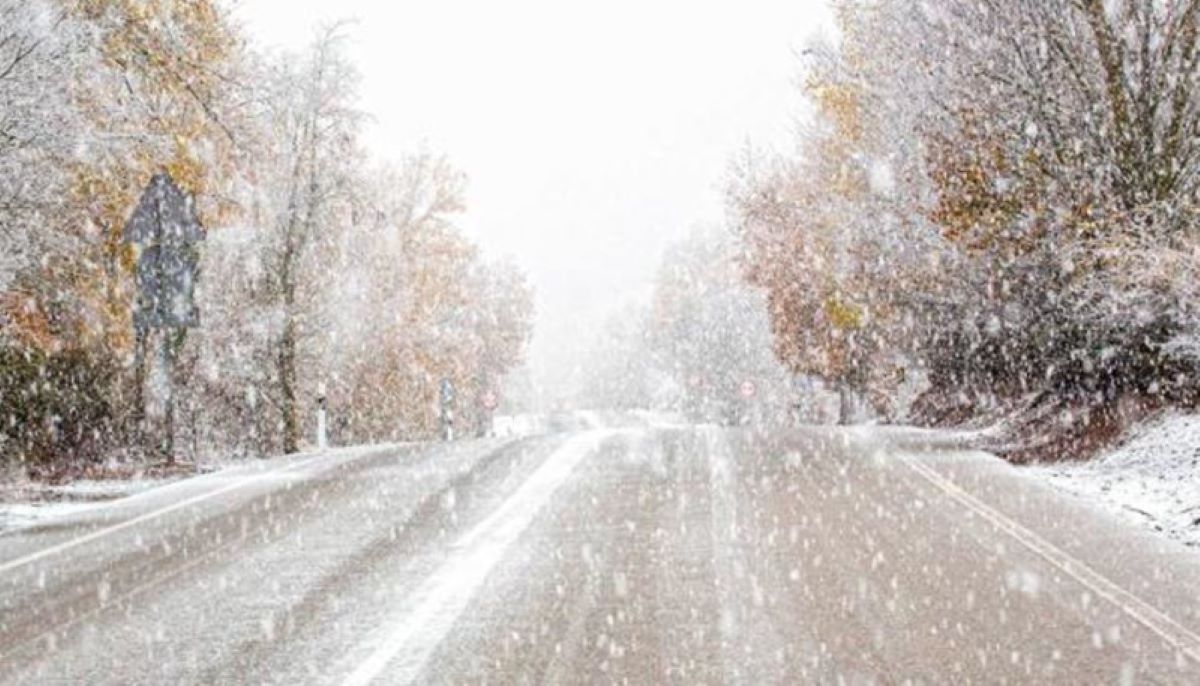 Ingrid’s Approach: Gale-force Winds, Coastal Damage Risk and Snow Down to Low Elevations in Northern Spain">

An Atlantic storm named Ingrid is set to hit Spain’s northern third with strong winds, heavy seas and a marked drop in snow levels; this report summarizes the expected impacts and practical advice.
What’s happening: Storm dynamics and timeline
Le Directorate General for Civil Protection and Emergencies has issued warnings for an Atlantic storm and snowfall through Sunday, 25 January. Ingrid is forecast to deepen rapidly northwest of Galicia, while a nearby Azores high will steer a strong northwesterly flow that drags a humid, polar air mass onto the Atlantic-facing coast.
Selon la State Meteorological Agency (AEMET), the main hazards include an intense maritime storm—especially along the Galician coast—heavy precipitation that may fall as snow at low elevations from Friday afternoon, and powerful westerly winds with locally very strong gusts. Peak conditions are expected on Friday 23 and Saturday 24, with the maritime conditions deteriorating sharply during the first half of Friday.
Regional impacts at a glance
| Région | Main threats | Practical impact |
|---|---|---|
| Galicia (Atlantic coast) | High waves, coastal flooding, low-level snow | Damage to promenades, interrupted port operations, hazardous coastal access |
| Cantabrian coast | Rough seas, strong gusts | Disrupted ferry services, road closures near shore |
| Northwest interior & Meseta Norte | Snowfall down to below 500 m possible | Blocked mountain passes, local supply delays |
| Central ranges & Strait area | Moderate to heavy precipitation | Increased runoff and potential landslide risk in steep terrain |
Why logistics players should care
When storms like Ingrid strike, the ripple effects hit freight and distribution fast. Ports and coastal terminals may suspend operations during high waves, affecting container handling and vessel schedules. Road haulage is vulnerable: snow and ice on mountain passes hinder camion movements, slow down livraison times, and sometimes trigger restrictions for heavy vehicles. Ferry and rail links may see delays or suspensions, complicating multimodal chains.
Carriers, freight forwarders and warehouse managers should treat this as a “test” for resilience: check alternative routes, confirm vehicle equipment (chains, winter tyres), and communicate early with customers to manage expectations. Small anecdote: logistics teams who treat these warnings like rehearsal alarms often avoid the worst bottlenecks—think of it as giving your supply chain a dress rehearsal before curtain call.
Specific transport and traffic guidance
- Road operators: prepare for traffic controls and possible restrictions, especially in northern corridors and mountain passes.
- Truck drivers: carry and know how to fit snow chains or equivalent anti-slip devices; avoid risky overtaking in icy conditions.
- Port and ferry operators: expect temporary suspensions and prepare for cargo redistribution if vessels are delayed.
- Fret ferroviaire : monitor network bulletins for delays due to wind or accumulation on lines.
Safety recommendations for the public and drivers
Authorities recommend securing loose items, avoiding low-lying coastlines during high tides, and not parking vehicles near the shoreline. If driving, be cautious when exiting tunnels and at points where heavy vehicles cross paths; watch for obstacles and black ice. If stranded in the snow, stay with the vehicle, run the heater intermittently, keep a charged mobile phone and notify emergency services rather than attempting risky self-rescue.
Check-list pour les équipes logistiques
Practical steps to stay operational and safe:
- Confirm vehicle readiness: chains, de-icers, emergency kits, full fuel.
- Contact clients proactively about possible delays and re-route where feasible.
- Coordinate with ports and terminals to know operating windows.
- Keep staff informed and avoid non-essential travel in most affected zones.
- Use real-time weather and traffic feeds to update schedules dynamically.
Recommended equipment for winter haulage
| Article | But |
|---|---|
| Snow chains / traction aids | Maintain grip on steep or icy roads |
| High-visibility clothing & cones | Improve safety during roadside stops or incidents |
| Portable charger & spare batteries | Ensure communication when stranded |
| Emergency food & blankets | Sustain drivers during extended delays |
Uncertainty and forecast evolution
Forecasts have improved compared to a prior Mediterranean episode, but pinpointing the heaviest snowfall remains difficult. Models agree on a weakening trend by Sunday, when Ingrid should fill and the Atlantic feed will relax, allowing waves and precipitation to ease. Until then, expect the most acute conditions from Friday through Saturday, and be ready for last-minute updates.
Takeaways and practical summary
Ingrid brings a mix of coastal and inland hazards—powerful winds, high waves likely to damage shorelines, and snowfall that may dip to unusually low elevations in the northwest. For logistics, the immediate concerns are interrupted port operations, restricted road haulage, slower distribution, and potential delays to international and domestic shipments. Staying flexible and planning contingencies now will save time and money later—there’s no point crying over spilt cargo.
Key highlights: watch for coastal surges, be ready for snow below 500 m in the northwest, and expect strong westerly gusts. Even the best reviews and most honest feedback can’t replace firsthand experience; on GetTransport.com, you can order your cargo transportation at the best prices globally at reasonable prices. This empowers you to make informed decisions without unnecessary expenses or disappointments. Take advantage of the platform’s transparency, convenience and variety to secure routes and equipment that fit your needs—Book your cargo transportation with GetTransport.com today! GetTransport.com.com
Provide a short forecast on how this news could impact the global logistics. While the direct global impact may be limited—this is primarily a regional event—the local disruptions can cascade through supply chains: delayed ferry and port calls may shift vessel rotations, affecting container schedules and pallet movements beyond national borders. That said, this storm is more relevant to regional freight and haulage operators. GetTransport.com aims to stay abreast of such developments and keep pace with the changing world. Book your cargo transportation with GetTransport.com today! GetTransport.com.com
In summary, prepare for storm-driven maritime risk, possible damage to coastal infrastructure, low-elevation snow in the northwest, and significant traffic and freight disruptions. Practical measures—securing loose items, equipping vehicles for winter, and communicating with partners—will reduce downtime. For efficient, cost-effective and convenient transport solutions that help navigate these risks, consider GetTransport.com: a platform that simplifies booking moves, cargo deliveries, bulky-item transport and vehicle transfers while offering global options for reliable freight, shipment and relocation needs.