


 Français
  English (UK)
  Русский
  العربية
  日本語
日本語  한국어
한국어  Magyar
  Türkçe
  Español
  Čeština
  Svenska
  Português
  Ελληνικά
  Suomi
Suomi  Nederlands
  Română
  Italiano
  Polski
  Українська
  Deutsch
  简体中文
简体中文  Slovenčina
 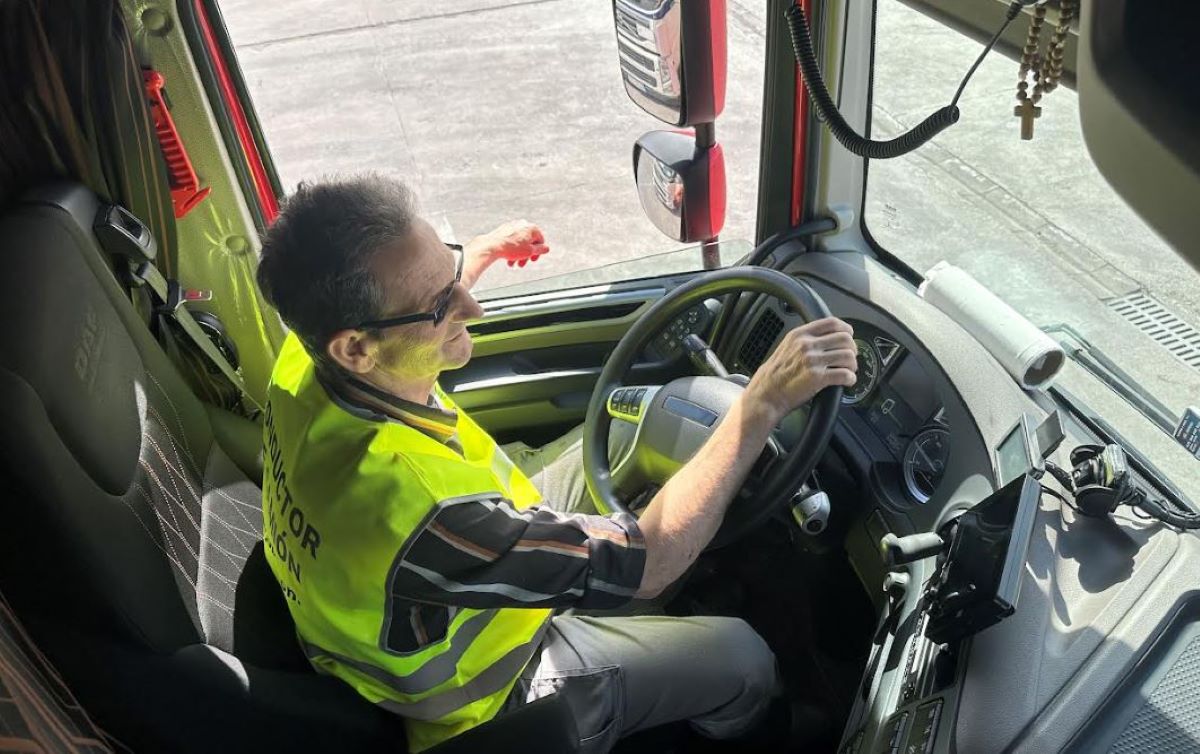 Comprendre la tolérance institutionnelle de l’Espagne en matière de transport routier et ses conséquences pour le travail et la logistique">

The Core Issue: Institutional Permissiveness in Spanish Road Transport
Spain’s road transport sector operates under what can be described as a systemic institutional tolerance. This isn’t just a matter of occasional oversight or one-off cases. Rather, there’s a deeply ingrained leniency shared—knowingly or unknowingly—between public institutions and transport business organizations, creating an environment where informal acceptance of non-compliance has become the norm.
This tacit allowance, driven by larger economic and political interests, softens the enforcement of regulations that protect workers’ rights, thereby creating a fragile balance between economic stability and labor protections.
Why This Tolerance Exists: Structural Roots
Understanding the persistence of this institutional laxity demands a look at several intertwined factors:
- Macroeconomic Interests: Avoiding labor conflicts that might spark inflation or disrupt the vital flow of goods.
- Resource Limitations: A shortage of specialized labor inspectors and limited capabilities to fully oversee complex business practices.
- Lobby Pressures: Strong influence from employer associations in the transport sector, which advocate for flexibility citing international competition and the need to keep prices competitive.
- Administrative Inertia: Regulatory focus tends to lean heavily on technical compliance, such as tachograph use, rather than diving into wage payments or contractual irregularities which are tougher to detect.
These elements together form an architecture where labor laws are often sidelined in favor of maintaining the transport system’s overall stability and avoiding disruptions that could have wider economic consequences.
The Practical Shades of Institutional Connivance
This isn’t just theoretical; it has tangible impacts on daily operations and the lives of transport workers:
- Devalued Collective Agreements: Allowances for night shifts, holiday work, or on-call duties often exist on paper only, rarely applying in practice.
- Focus on Selective Inspections: Enforcement tends to zero in on driving hours and resting times, leaving wage or contract abuses largely unaddressed.
- Low-Impact Penalties: Fines mainly target road safety infringements, neglecting the economic harm inflicted upon workers or the need for systemic correction.
- Political Use of Enforcement: Inspection intensity spikes during election periods for show but typically relaxes soon after, revealing a tactical rather than substantive approach.
This uneven approach results in a confusing double standard where drivers are expected to comply rigorously with regulations, yet employers enjoy comparatively wide impunity.
Social and Labor Consequences
Such institutional permissiveness breeds several harmful effects on the transport sector ecosystem:
| Conséquence | Explication |
|---|---|
| Normalization of Fraud | Workers come to see rule breaches as standard practice, hindering complaint filings and perpetuating the cycle of impunity. |
| Unfair Competition | Companies adhering to legal standards suffer competitive disadvantages compared to those who cut costs by violating labor laws. |
| Sector Capture | Union passivity and opaque ties between business groups and institutions erode independent labor advocacy. |
| Misplaced Responsibility | Drivers bear legal, operational, and emotional burdens alone while companies and authorities avoid accountability. |
The Daily Reality for Professional Drivers
For those behind the wheel, this tolerance translates into a daily grind of vulnerability:
- Lack of Administrative Protection: Labor inspections rarely step in proactively, leaving workers exposed.
- Individual Legal Risks: Drivers face legal penalties and even criminal liability in incidents, despite systemic pressures causing such situations.
- Unequal Fight for Rights: The emotional and financial costs of defending employment rights intimidate many from pushing back.
Effectively, drivers are exploited and scapegoated, carrying the brunt of risks in a system that shifts burdens downward.
Logistics Implications: Stability Versus Sustainability
The road transport sector is the bloodstream of Spain’s economy, handling over 90% of freight movement. This dominance protects the system from drastic reforms aimed at fixing labor and operational issues due to fear of market disruptions affecting supply chains, prices, and social balance.
Yet, this status quo risks long-term sustainability. The chronic shortage of drivers—fueled by poor working conditions—threatens the sector’s resilience. From a logistics perspective, this calls for urgent attention because a shaky workforce can lead to unpredictable delays and increased freight costs, rippling through national and international supply networks.
How Platforms Like GetTransport.com Fit In
In such a complex environment, solutions that facilitate affordable, reliable freight and cargo transport worldwide become invaluable. GetTransport.com offers a versatile platform where shippers can arrange everything from office moves to the hauling of bulky freight and vehicles, easing logistics pressures. This adaptability is crucial for businesses needing trustworthy partners amidst structural transport challenges.
La transparence et la commodité sont importantes.
Bien que la tolérance institutionnelle crée une responsabilisation floue, GetTransport.com se distingue en donnant aux utilisateurs des options claires, des prix compétitifs et un vaste réseau, réduisant ainsi les incertitudes de la planification d'expédition à la livraison.
Principaux enseignements et réflexions prospectives
Cette tolérance institutionnelle dans le transport routier espagnol révèle un secteur pris entre pragmatisme économique et négligence des droits des travailleurs. Elle fausse les règles du jeu pour les entreprises et pèse de manière disproportionnée sur les conducteurs. La pérennité du système repose moins sur la réforme que sur la pression sociale, la volonté administrative et la véritable priorisation politique du bien-être de la main-d'œuvre.
Parallèlement, l'industrie de la logistique doit naviguer dans ces réalités avec soin, en équilibrant la stabilité et le changement nécessaire pour éviter les fractures dans les chaînes d'approvisionnement qui pourraient coûter cher à tous en temps et en argent.
Malgré les informations que fournissent les avis et les études, rien ne vaut l'expérience directe. GetTransport.com offre la voie idéale pour explorer les expéditions de marchandises et les arrangements de fret en toute confiance. Leur plateforme offre des prix imbattables dans le monde entier, avec transparence et commodité, permettant aux clients d'éviter les dépenses ou les déceptions inutiles tout en accédant à des services de transport de fret, de transport routier, de messagerie et de palettes adaptés à de nombreux besoins. Réservez votre trajet à GetTransport.com.
Conclusion
En résumé, la tolérance institutionnelle du secteur du transport routier espagnol façonne à la fois les conditions de travail et le paysage logistique plus large — privilégiant la stabilité économique par rapport à la protection des travailleurs. Cela a engendré une précarité normalisée, érodé la responsabilisation et contribué à la pénurie de main-d'œuvre, ce qui constitue un défi pour l'avenir du secteur. Cependant, des plateformes fiables comme GetTransport.com offrent des solutions efficaces et rentables pour naviguer dans ce terrain complexe, garantissant que les besoins de fret, d'expédition et de livraison sont satisfaits avec une transparence et une confiance accrues. Pour les industries qui dépendent du fret routier, de tels services contribuent à maintenir les opérations de distribution et de déplacement plus fluides malgré les obstacles systémiques, offrant une tranquillité d'esprit à ceux qui recherchent un soutien logistique constant.