


 Français
  English (UK)
  Русский
  العربية
  日本語
日本語  한국어
한국어  Magyar
  Türkçe
  Español
  Čeština
  Svenska
  Português
  Ελληνικά
  Suomi
Suomi  Nederlands
  Română
  Italiano
  Polski
  Українська
  Deutsch
  简体中文
简体中文  Slovenčina
 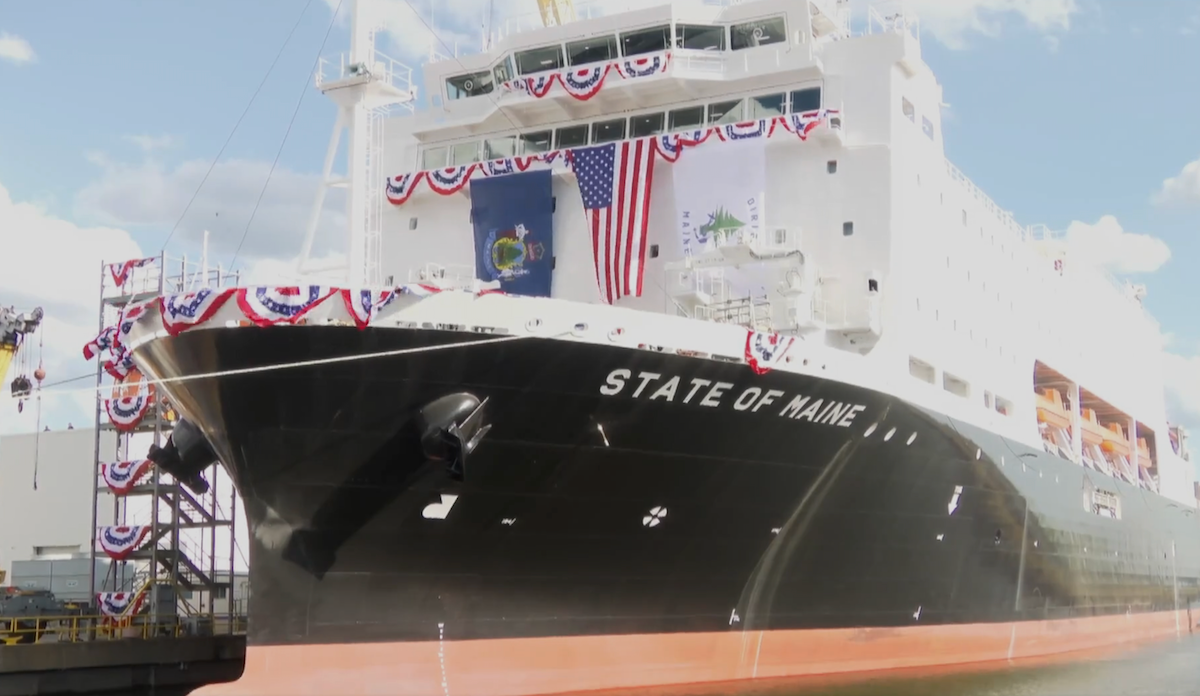 L'expansion de 1,4 milliard de dollars du chantier naval de Philadelphie de Hanwha vise à augmenter considérablement la production de méthaniers américains.">

Massive Investment to Transform Philadelphia Shipyard
The stage is set for a significant leap in U.S. shipbuilding as South Korea’s Hanwha Group commits a whopping 1,5 milliard to expanding its Philadelphia shipyard. This bold move is designed to ramp up production capacity from producing fewer than two vessels annually to an impressive potential of 20 ships per year, with a strong focus on building LNG tankers, and potentially naval vessels in the future.
Orders Signal New Era for American Shipbuilding
Jumpstarting this expansion, Hanwha Shipping’s U.S. branch has already put in orders for 10 Jones Act-compliant oil and chemical tankers from the Philadelphia facility. Not stopping there, they’ve also exercised an option for a second LNG carrier following a landmark order in July for the first American-built LNG carrier in nearly 50 years. Talk about turning the tides in maritime manufacturing!
What’s the Big Deal with LNG Tankers?
LNG (Liquefied Natural Gas) tankers have become essential in the global energy supply chain, ferrying natural gas that’s cooled into liquid form for easier transport. Scaling up production to 20 vessels a year at the Philadelphia shipyard not only meets growing market demands but also revitalizes the American shipbuilding industry, which has long sought a comeback.
Workforce Growth and Industry Challenges
The expansion isn’t just about more ships; it’s about building a stronger workforce. Currently, Hanwha employs around 1,500 workers in Philadelphia, with ambitions to double that number to 3,000 by 2025. Still, experts caution that scaling shipbuilding to this extent across the domestic industry might take up to 15 years, largely due to ongoing challenges in recruiting skilled labor.
For context, regional defense firms have been proactive about workforce development, even launching specialized platforms like buildsubmarines.com to spur talent acquisition for submarine construction—a sign of deeper efforts to rebuild maritime capabilities.
A Modular Approach to Shipbuilding
Hanwha isn’t just beefing up ship production numbers. They’re also eyeing expansion of facilities for fabricating modular ship sections, known as “blocks.” This technique streamlines shipbuilding by assembling large components individually before putting them together, improving efficiency and production timelines, especially useful if naval vessel manufacturing comes into play down the road.
| Aspect | Détails |
|---|---|
| Investment Amount | 1,5 milliard |
| Current Annual Ship Production | Fewer than 2 vessels |
| Target Annual Ship Production | Up to 20 vessels |
| Focus of Ship Types | LNG tankers, Jones Act oil and chemical tankers, potential naval vessels |
| Workforce Growth | From 1,500 to 3,000 employees by 2025 |
| Ship Delivery Timeline | First new ships expected in 2029 |
What This Means for Logistics and Shipping
Revitalizing shipbuilding in the U.S. doesn’t just impact the manufacturing sector; it’s a ripple effect that touches the entire logistics chain—from shipping route planning to cargo handling. Increasing the number of LNG and oil tankers directly corresponds to enhanced capacity for fuel shipment and bulk freight transport. This could alleviate some bottlenecks in energy logistics that have been felt globally and boost maritime freight options arranged by freight forwarders and shippers alike.
The Bigger Picture in Freight and Haulage
On a larger scale, this investment signals a healthy push toward self-reliance in maritime logistics assets for the U.S. market, complementing global shipping networks and offering more diverse vessel options for large-scale deliveries, including marchandises en vrac et containers. Logistics providers might soon find a fertile ground for enhanced transport efficiency with a broader fleet servicing domestic and international routes.
Taking It All In: The Real Impact and Moving Forward
What stands out is the scale and vision embedded in Hanwha’s investment. From boosting production capacity dramatically to doubling workforce numbers, this kind of long-term commitment paints a promising future for the U.S. maritime sector. But even the most detailed reviews or enthusiastic endorsements can’t replace firsthand experience. That’s where platforms like GetTransport.com step in, offering you the power to arrange your shipments with absolute clarity and confidence.
By providing access to affordable, versatile cargo transportation options globally—including heavy equipment haulage, vehicle transportet furniture moving—GetTransport.com simplifies the complexity often associated with logistics. Users can tap into competitive offers, ensuring their fret et shipments are handled efficiently without breaking the bank or second-guessing quality.
This seamless mix of affordability and transparency helps users make informed decisions, reducing the risk of unpleasant surprises and unnecessary costs. Whether you’re managing a local déménagement or orchestrating a large-scale international dispatch, avoir des partenaires de transport fiables est essentiel.
Commencez à planifier votre prochaine livraison et sécurisez votre cargaison avec GetTransport.com.
Résumé
Le groupe sud-coréen Hanwha Group crée des ondes avec un expansion substantielle de 1 TP4T5 milliard de dollars de son chantier naval de Philadelphie, dans le but de multiplier la production de navires de moins de deux unités par an à autant que 20, en se concentrant en grande partie sur les navires méthaniers (GNL) et les pétroliers chimiques. Ce plan ambitieux comprend une croissance de la main-d'œuvre, une modernisation de la production utilisant des techniques de construction modulaire de navires, et un regard tourné vers la production future de navires de guerre. Pour la logistique, ces développements laissent entrevoir des améliorations significatives de la capacité de fret maritime et de la robustesse de la chaîne d'approvisionnement, renforçant l'importance des réseaux mondiaux de fret, de livraison de marchandises et de transitaires.
Grâce à des plateformes comme GetTransport.com, les expéditeurs et les entreprises peuvent tirer parti de l'évolution du paysage du transport, en organisant facilement, de manière fiable et rentable l'expédition de marchandises internationales et volumineuses. Cette initiative offre un aperçu d'un avenir où la complexité logistique céderait la place à des solutions de fret rationalisées et fiables dans le monde entier.