


 Français
  English (UK)
  Русский
  العربية
  日本語
日本語  한국어
한국어  Magyar
  Türkçe
  Español
  Čeština
  Svenska
  Português
  Ελληνικά
  Suomi
Suomi  Nederlands
  Română
  Italiano
  Polski
  Українська
  Deutsch
  简体中文
简体中文  Slovenčina
 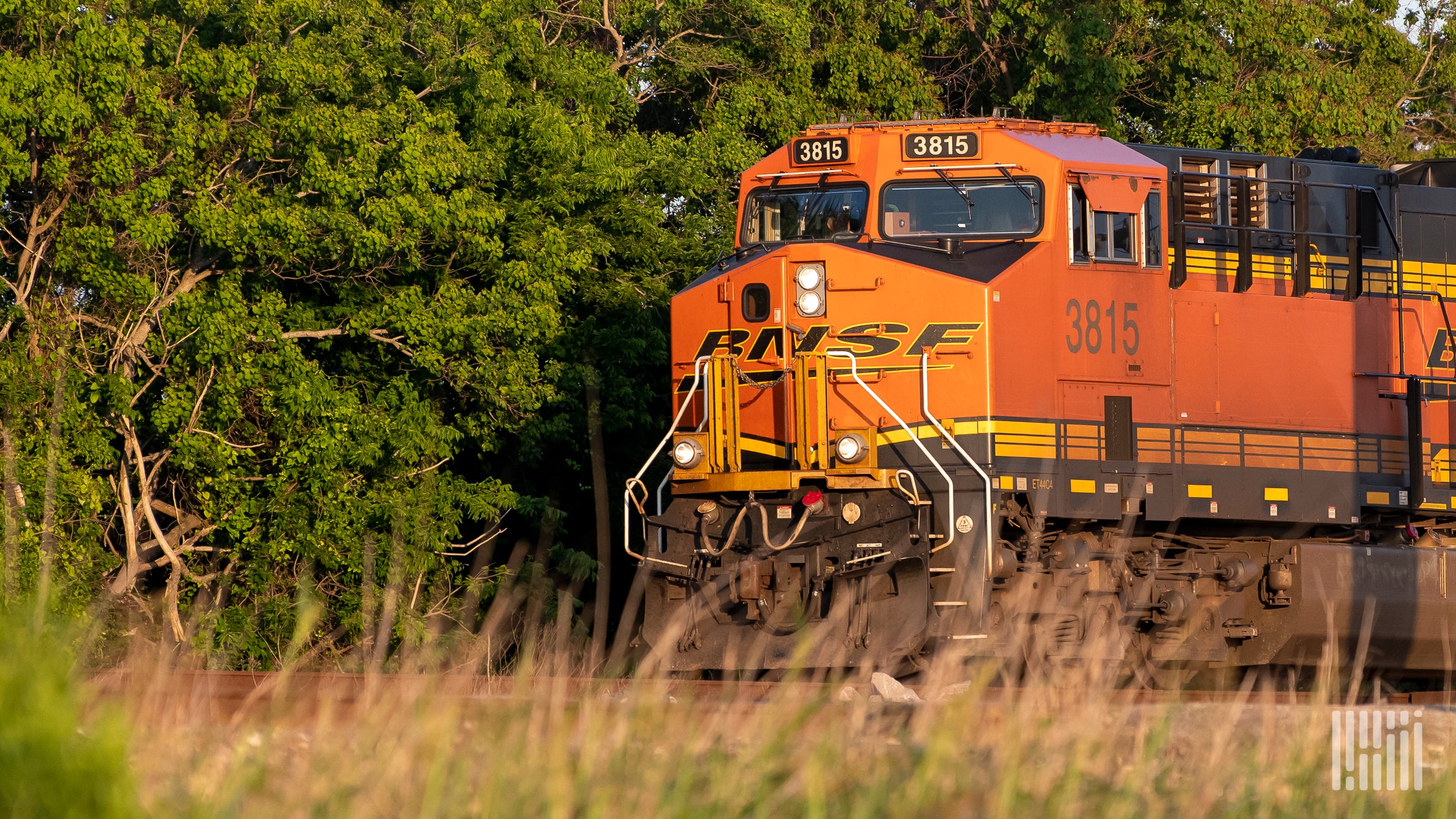 Comprendre les défis et les préoccupations entourant la fusion ferroviaire d'Union Pacific et de Norfolk Southern">

Rail Merger Sprint: What’s at Stake?
The ongoing discussion about the merger between Union Pacific (UP) and Norfolk Southern (NS) is capturing attention across the transportation world. This article dives into the concerns raised by BNSF’s CEO regarding the implications of this transcontinental railroad merger, particularly highlighting how it could impact the economy, consumers, and the broader logistics landscape.
Competitive Threats on the Tracks
Competition is the heartbeat of any free market, and BNSF is sounding the alarm that this merger could seriously dampen that spirit in the rail freight sector. The worry? A decrease in rivalry which might translate into less choice for shippers, higher freight costs, and even hiccups in services. When two giants like Union Pacific and Norfolk Southern join forces, the risk is that their combined power might overshadow alternatives, pushing prices north and potentially slowing down efficiency. It’s like having fewer cooks in the kitchen—they might make the broth, but will it still be savory for all?
Promises vs. Reality: Regulatory Hurdles
The federal watchdog, known as the Surface Transportation Board (STB), has amplified merger regulations recently. Companies looking to merge need to prove that their deal will actually boost competition and serve the public interest. According to BNSF’s CEO, Union Pacific hasn’t convincingly ticked these boxes, partly because past mergers under UP’s belt have come with promises that fell flat once regulatory hurdles were cleared. This skepticism isn’t just corporate rivalry—it’s a nod towards protecting shippers and, by extension, the end consumers who rely on steady and affordable delivery services.
The Merger’s Bright Side—Or Is It?
Union Pacific and Norfolk Southern argue that by joining forces, they can streamline operations—cut down on handoffs in busy interchange spots like Chicago and St. Louis, and speed up freight shipments. This could potentially reduce costs and paperwork for customers who otherwise juggle interactions with multiple railroads. On paper, it sounds like a win-win: faster shipping times and better service coordination.
Concerns from Shippers and Service Risks
However, history plays a sneaky card here. Past railroad mergers brought more than just operational efficiency; they sometimes dragged along service meltdowns and significant rate hikes. For shippers handling large volumes or time-sensitive freight, this unpredictability is a gamble. In logistics, smooth, reliable service is king, meaning that any threat of disruption could ripple across supply chains, delaying shipments and inflating costs—an unwanted expense for businesses and consumers alike.
Table: Potential Merger Outcomes for Logistics Stakeholders
| Aspect | Possible Positive Impact | Possible Negative Impact |
|---|---|---|
| Expéditeurs | Simplified dealings, faster freight movement | Higher costs, fewer choices |
| Railroads | Operational efficiencies, cost savings | Service reliability risks, regulatory scrutiny |
| Consommateurs | Potentially lower prices if costs pass through | Price increases due to less competition |
| Prestataires de services logistiques | Streamlined network connections | Reduced options, risk of bottlenecks |
Why BNSF Prefers Collaboration to Consolidation
Instead of big mergers, BNSF’s leadership vouches for partnerships and collaborations that streamline service without sacrificing competition. The CEO mentions that these alliances could offer the same operational benefits as mergers—like improved reliability and flexibility—while keeping multiple players in the mix to ensure a healthy market. That approach might just keep freight flowing without the ‘too big to fail’ fears looming over logistics planners.
Putting the Pieces Together for Logistics
At the end of the day, any change to the railroad landscape sends ripples through the entire logistics chain. Bulk freight, bulky shipments, pallets, and containers alike could all feel the squeeze or the advantage depending on how smoothly the merger integrates operations—or stumbles through regulatory checks. From office moves to international freight, reliable rail transport plays a critical role in making sure goods arrive on time and costs stay manageable.
The Insider Truth: Feedback vs. Experience
While expert reviews and honest feedback provide valuable insights, nothing beats the firsthand experience when it comes to choosing transport and logistics partners. In today’s world, platforms like GetTransport.com embody the solutions needed to navigate the complex transport scene. Offering global cargo shipment options at competitive prices, whether moving office equipment, handling housemoves, delivering large furniture, vehicles, or other cumbersome goods, GetTransport.com delivers flexibility and convenience.
The service’s commitment to transparency and affordability suits both small and large-scale fleets, empowering users to avoid unnecessary expenses and mitigate unexpected disruptions. When it’s about making smart choices for freight or parcel dispatch, the platform offers a modern approach that meets varied demands. Get the best offers with GetTransport.com.
Looking Ahead: What This Means for Global Logistics
From a global logistics standpoint, this merger debate might not drastically shake the worldwide freight and shipping markets, yet its ramifications here at home are hard to ignore. Consolidation in key transport sectors can narrow competition, potentially nudging up rates and risking service quality—factors that impact supply chains, deliveries, and distribution efficiency. Staying informed is crucial for companies relying on rail haulage as part of their logistics puzzle.
GetTransport.com keeps pace with these changing dynamics, recognizing that understanding such developments is key to offering seamless, cost-effective transportation solutions worldwide. Start planning your next delivery and secure your cargo with GetTransport.com.
Pour conclure
In summary, the proposed merger between Union Pacific and Norfolk Southern represents a complex crossroads where operational efficiencies tussle with concerns over competition and pricing power. BNSF’s stance highlights valid worries about service reliability and economic impacts on shippers and consumers alike. Whether the merger goes through or not, the dialogue reflects larger trends in freight transport and logistics, where balancing scale with service quality remains central.
As the transportation landscape evolves, services like GetTransport.com are stepping up to offer reliable, global shipment solutions that accommodate every need—from bulky freight to house moves—helping businesses and individuals manage their logistics effortlessly and affordably.