


 Français
  English (UK)
  Русский
  العربية
  日本語
日本語  한국어
한국어  Magyar
  Türkçe
  Español
  Čeština
  Svenska
  Português
  Ελληνικά
  Suomi
Suomi  Nederlands
  Română
  Italiano
  Polski
  Українська
  Deutsch
  简体中文
简体中文  Slovenčina
 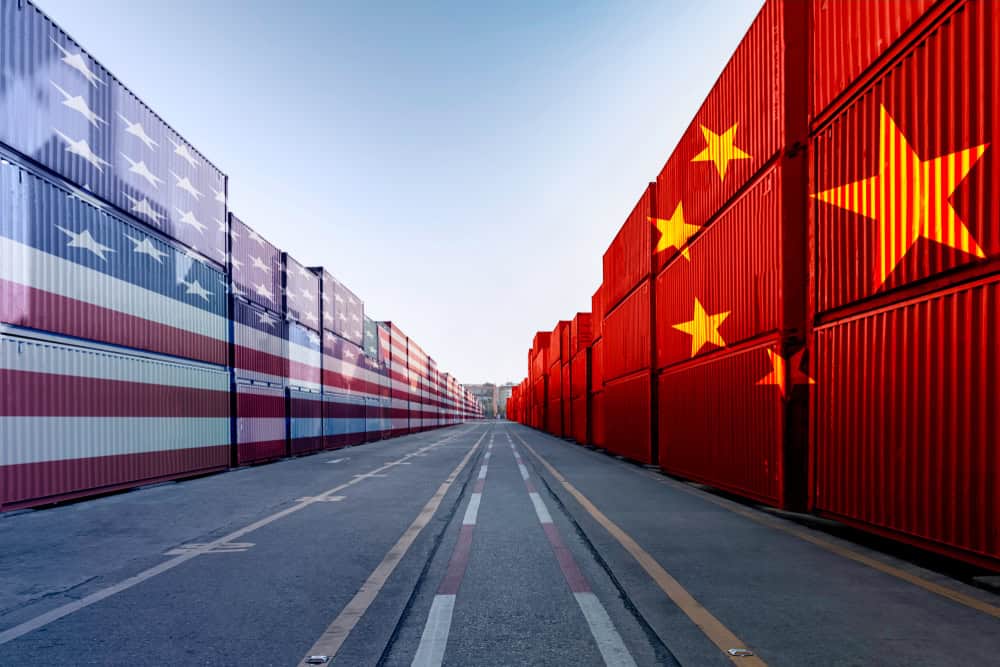 U.S. Réduit les tarifs IEEPA sur les produits liés au fentanyl chinois de 20% à 10% — Ce que ce changement apporte">

Overview of Recent U.S. Tariff Adjustments on China
In a notable shift affecting international trade relations, the U.S. government lowered the tariff on fentanyl-associated Chinese imports, reducing the duty from 20% to 10% as of November 10, 2025. This adjustment, implemented under the framework of the International Emergency Economic Powers Act (IEEPA), aims to balance economic concerns with efforts to curb fentanyl-related exports.
Tracing the Background: What Sparked the IEEPA Tariff?
The IEEPA was invoked to grant the U.S. President special authority to regulate imports under declared national emergencies.
In April 2025, a 20% tariff targeting fentanyl-related goods originating from China was introduced to address the surge of such products entering U.S. markets.
This tariff was part of a broader strategy aimed at discouraging the flow of fentanyl-based substances, given their severe public health impact.
Details of the November 10 Change
The imposed fentanyl-related tariff was halved to 10%, effective from midnight EST on November 10, 2025.
This lower tariff applies strictly to goods “entered for consumption or withdrawn from warehouse for consumption” on or after that time.
Concurrently, plans to increase reciprocal tariffs on Chinese imports have been suspended, maintaining the 10% duty level until at least November 10, 2026.
Economic and Trade Implications
1. China’s Enforcement Promises
The tariff reduction came on the back of China’s commitment to clamp down rigorously on fentanyl exports.
The U.S. government will continuously monitor compliance and report directly to top leadership to ensure progress.
If these promises falter, the U.S. retains the right to reinstate or even intensify the tariffs.
2. Easing Trade Tensions – But Not Fully
The reduction signifies a temporary cooling in tariff-related hostilities but doesn’t undo earlier trade measures.
Notably, Section 301 tariffs from previous administrations remain in place through late 2026, signaling ongoing trade vigilance.
3. Power Dynamics and Legal Considerations
The extensive use of emergency powers and tariffs has drawn scrutiny, with critics questioning the balance of authority and fairness.
The U.S.’s absolute control over tariff imposition highlights the asymmetry of influence in the trade relationship.
Potential Challenges and Risks Ahead
Monitoring and Enforcement: A robust system will be necessary to verify China’s adherence to its export controls, requiring significant resources.
Volatility of Trade Measures: The unpredictable nature of tariff reinstatement or hikes keeps businesses and supply chains on edge.
Broader Trade Effects: This development could trigger changes in global trade policies as other countries prepare for possible shifts in U.S. tariffs.
Impact sur la logistique et le transport de marchandises
A change in tariffs—even one that reduces fees—has a ripple effect on shipping costs, supply chain routes, and scheduling. For companies engaged in importing Chinese goods, lower tariffs can ease the cost pressures of freight, container handling, and customs clearance. Conversely, the unpredictability of tariffs imposes an enduring strain on logistics planning and cargo dispatch. Platforms like GetTransport.com, specializing in affordable and global cargo transportation, become vital in navigating these shifts efficiently, assisting with everything from bulk freight to delicate shipments like pharmaceuticals.
Summary Table: Key Features of the IEEPA Tariff Change
| Aspect | Détails |
|---|---|
| Previous Tariff Rate | 20% on fentanyl-related Chinese imports |
| New Tariff Rate | 10%, effective November 10, 2025 |
| Portée | Goods entered or withdrawn from warehouse on/after Nov 10 |
| Additional Measures | Suspension of tariff increases until November 10, 2026 |
| Surveillance | Frequent U.S. compliance reports on China’s enforcement |
| Potential Reinstatement | Tariffs can be reinstated or increased if commitments fail |
The Bigger Picture: What This Means for Importers and Shippers
The tariff cut alleviates some financial strain but also underscores the fluidity of trade relations and the ongoing uncertainty businesses must manage. For logistics providers, reduced costs might boost the volume and frequency of shipments, allowing more affordable distribution and freight forwarding services. Still, the shadow of potential tariff reversals injects caution into long-term shipping contracts and route planning.
Your Cargo Transport Decisions and Real-World Experience
While policy updates and expert analyses offer valuable guidance, nothing beats firsthand experience when evaluating transportation or importing strategies. On GetTransport.com, cargo transportation can be booked worldwide at some of the best prices available, empowering shippers and importers to make confident and tailored decisions without breaking the bank or risking delivery delays. The platform’s transparency, versatility, and ease-of-use allow users to explore a variety of logistics options—whether relocating offices, moving household goods, or dispatching bulky freight or vehicles. Book your Ride with GetTransport.com.
Global Logistics Outlook in Light of Tariff Adjustments
This tariff adjustment might seem like a drop in the ocean considering worldwide trade volumes, but it still echoes through logistics corridors and freight markets. It serves as a reminder of the complex interplay between trade policy and chaînes d'approvisionnement internationales. As GetTransport.com keeps pace with such developments, users benefit from an updated, cost-effective solution for managing shipments in an ever-evolving trade landscape. Start planning your next delivery and secure your cargo with GetTransport.com.
Conclusion
The reduction of the IEEPA tariff from 20% to 10% on Chinese fentanyl-related products reveals a nuanced blend of diplomatic leverage, economic strategy, and ongoing vigilance. This move eases tariff burdens yet also highlights the fragile and changeable nature of trade regulations, especially in 2025’s unpredictable environment.
For freight and logistics operators, as well as importers, such developments cannot be ignored since they directly influence shipping costs, cargo handling, and the overall efficiency of international distribution networks. Leveraging platforms like GetTransport.com streamlines the complexity of shipping diverse goods—from parcels and pallets to bulky freight and vehicles—offering reliable, affordable, and global transport options. This makes it easier for businesses and individuals to adapt swiftly and prudently to the shifting tides of international trade.