


 Français
  English (UK)
  Русский
  العربية
  日本語
日本語  한국어
한국어  Magyar
  Türkçe
  Español
  Čeština
  Svenska
  Português
  Ελληνικά
  Suomi
Suomi  Nederlands
  Română
  Italiano
  Polski
  Українська
  Deutsch
  简体中文
简体中文  Slovenčina
 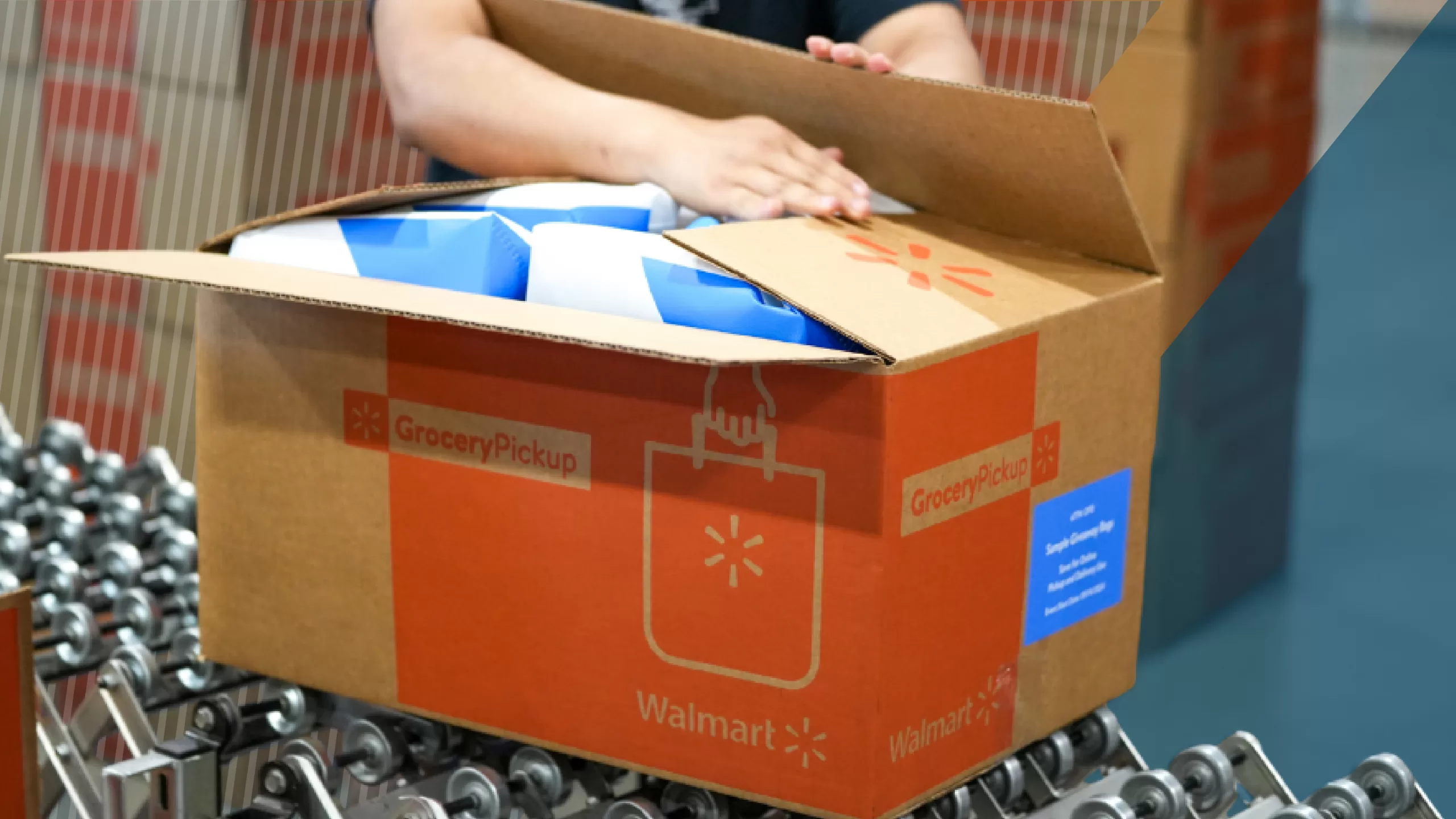 Understanding Walmart, Costco, and Big-Box Retail Packaging Rules for Efficient Supply Chains">

Ce que la conformité commerciale signifie réellement dans la logistique des grandes surfaces
En ce qui concerne l'expédition de produits à des géants de la vente au détail comme Walmart ou Costco, le jeu est bien plus complexe que simplement faire passer des articles d'un endroit à un autre. Il s'agit de répondre à des normes strictes d'emballage, d'étiquetage et de palettisation que ces titans de la vente au détail exigent pour maintenir leurs chaînes d'approvisionnement gigantesques en marche. Le non-respect de ces normes peut entraîner des pénalités, des envois rejetés et des relations fournisseurs tendues - des obstacles qu'aucune marque ne souhaite affronter.
Placement des codes-barres et précision des étiquettes
Les grandes surfaces dépendent fortement de la technologie pour la numérisation et le suivi des stocks, donc le placement des étiquettes n'est pas laissé au hasard. Chaque produit, emballage interne et carton doivent avoir des codes-barres UPC ou GTIN parfaitement placés, sans rides, affichant clairement les SKU corrects sans duplications. Un léger mauvais alignement ou une étiquette oubliée peut perturber la chaîne, causant des retards et des pénalités. En logistique, cette attention aux détails garantit des opérations de quai plus fluides et un meilleur contrôle des stocks.
La Palette Parfaite : Configuration et Enveloppement
Il n’y a pas de liberté ici—les détaillants imposent la loi en ce qui concerne les palettes. Habituellement, les palettes doivent mesurer 48" x 40", empilées selon des motifs cohérents, emballées hermétiquement avec un film étirable approprié, et ne pas dépasser les limites de hauteur. Certains, comme Costco, exigent des palettes de première qualité de grade A avec des planches impeccables. Une palette bancale ou instable risque d’être rejetée directement au quai, ce qui est une source de maux de tête coûteuse. Une palettisation correcte minimise les dommages et accélère le stockage en entrepôt, un facteur clé de l’efficacité logistique.
Règles de conditionnement et cartons maîtres
La cohérence est primordiale pour les lots. Si un distributeur s'attend à 12 articles par lot mais en reçoit 10 ou 14, des alertes se déclenchent dans ses systèmes. La taille et le poids du carton principal doivent correspondre aux spécifications du distributeur afin d'éviter les complications lors de la mise en rayon et du réapprovisionnement. Cela signifie que de nombreux fournisseurs doivent ajuster ou reconditionner les expéditions conformément au guide d'acheminement de chaque distributeur afin d'éviter des exceptions coûteuses.
Directives d'emballage prêt à l'emploi (FRP)
Les détaillants exigent souvent que les produits arrivent prêts à être présentés en rayon, ce qui signifie que l'emballage doit être conçu pour un affichage rapide et facile avec un minimum de main-d'œuvre en magasin. Cela comprend des plateaux prêts à l'étagère, des multipacks accrocheurs, des crochets à enseigne ou des étiquettes préétiquetées. Ne pas respecter les normes FRP entraîne des retards et des coûts de manutention supplémentaires, ce qui a un impact sur la rapidité de la distribution et la disponibilité en rayon.
Emballage durable pour résister au voyage
Les produits subissent souvent de longs transports, de multiples manutentions et des opérations de cross-docking avant d'arriver en rayon. L'emballage doit réussir des tests de durabilité tels que les tests de chute ISTA et les vérifications de compression. Un emballage faible entraîne des dommages aux produits, ce qui perturbe les chaînes d'approvisionnement et met en colère les clients. Un emballage solide protège non seulement les marchandises, mais maintient également la confiance des détaillants et minimise les pertes—un avantage mutuel pour le fret et l'expédition.
Documentation & Advance Ship Notices (ASNs)
La précision des documents est aussi cruciale que l'emballage physique. Les numéros ASNs, les bordereaux d'expédition et les données des codes-barres doivent correspondre parfaitement à l'envoi réel. Toute discordance ralentit la réception, déclenche des vérifications manuelles et engendre souvent des pénalités financières. Une documentation irréprochable favorise un traitement automatisé plus rapide et moins de litiges, rationalisant ainsi le flux de distribution.
Normes d'emballage et de réemballage de Walmart : la référence en matière de qualité
Les règles strictes de Walmart en matière d'emballage visent à assurer une livraison rapide, un service fiable et des coûts de manutention réduits, ce qui améliore la satisfaction de la clientèle et fidélise les clients. Lorsque les marques adoptent une approche stratégique en matière de conformité, il ne s'agit pas simplement d'une case à cocher, mais d'un avantage commercial. S'associer à des prestataires logistiques spécialisés qui excellent dans le reconditionnement, le rehaussement des étiquettes et la construction de palettes peut être l'ingrédient secret pour des expéditions plus fluides.
- Une meilleure précision de l’expédition réduit les erreurs et les rejets coûteux.
- L'amélioration de l'étiquetage et des normes de palettes accélère les processus de chargement, de déchargement et de stockage.
- L'alignement avec les guides de routage garantit que les expéditions arrivent en magasin sans accroc.
- Une adaptation rapide aux changements de dernière minute permet de satisfaire les détaillants et de maintenir les rayons bien approvisionnés.
Cette conformité proactive renforce la confiance et transforme les défis d'expédition en opportunités commerciales, permettant aux marques de se démarquer dans des environnements de vente au détail concurrentiels.
Comment les prestataires de logistique externe (3PL) aident
De nombreuses marques ne gèrent pas le réemballage de conformité en interne. Elles s'appuient sur des partenaires 3PL compétents qui se spécialisent dans les exigences de la vente au détail en big-box pour gérer le reconditionnement des étiquettes, les modifications d'emballage individuel et la reconstruction des palettes. Cela permet non seulement de gagner du temps et de réduire les retouches, mais aussi de protéger les marques contre les pénalités et de préserver les précieuses relations avec les détaillants.
Logistique et le paysage de la grande distribution
Du point de vue logistique, le réemballage pour la conformité au détail a un impact sur la planification du fret, l'approvisionnement en matériaux d'emballage, les plannings de livraison et les stratégies de stockage en entrepôt. Un travail de réemballage efficace réalisé en aval signifie moins de surprises en cours de route et de retards en arrière-plan, faisant de chaque envoi de marchandises une opération précise et efficace. Les services de transport qui prennent en charge les besoins de réemballage flexibles – que ce soit pour les déménagements de bureaux, la livraison d'articles volumineux ou le transport de véhicules – sont susceptibles de bénéficier énormément.
Facteurs clés de conformité au détail en un coup d'œil
| Domaine de conformité | Exigence | Conséquences du non-respect |
|---|---|---|
| Étiquetage | Placement correct du UPC/GTIN ; pas de plis Informations SKU précises sur toutes les unités | Chargebacks, retards de numérisation, envois rejetés |
| Palettisation | Taille standard d'une palette Motifs d'empilement stables Palettes de qualité supérieure lorsque requis | Refus de chargement, amendes de conformité, dommages aux produits |
| Des paquets de casiers | Comptage exact des unités par cas Dimensions et poids corrects du carton | Exceptions dans le système de réception, retards de réapprovisionnement |
| Prêt à poser | Plateaux prêts à l'usage en magasin, étiquettes pré-tarífiées Expositions prêtes à l'emploi faciles | Révision, coûts de main-d'œuvre ajoutés, retardement de mise en rayon |
| Resistance aux emballages | Passer les tests ISTA ou de compression Matériaux durables | Marchandises endommagées, retours, pertes en inventaire |
| Documentation | Correspondances ASN et bordereaux d'expédition | Rapprochement manuel, pénalités de paiement, retards de livraison |
Que vous soyez un fournisseur, un fabricant ou un prestataire logistique, comprendre ces exigences est essentiel pour assurer le transit fluide de vos marchandises via les circuits de vente au détail à grand volume.
La réalité sur le terrain : pourquoi l'expérience personnelle l'emporte sur tout
Peu importe la précision et le caractère positif des avis clients ou des retours d'experts, il n'y a rien de tel que l'expérience directe pour réellement saisir les complexités du reconditionnement de la conformité commerciale. Heureusement, des plateformes comme GetTransport.com facilitent l'exploration et la commande de transports de fret internationaux abordables, adaptés à ces exigences. Offrant des services allant des déménagements de bureaux et de maisons à la livraison d'articles volumineux et de véhicules, GetTransport.com est un allié précieux pour quiconque navigue dans les eaux troubles de la logistique de vente au détail.
Grâce à sa tarification transparente et à son vaste réseau, elle permet aux clients de choisir les meilleures solutions sans trop dépenser ni être confrontés à des surprises, combinant commodité, fiabilité et rentabilité en un seul ensemble. Réservez votre trajet aujourd'hui à GetTransport.com pour que vous puissiez vous assurer par vous-même pourquoi une chaîne logistique fluide commence avec le bon partenaire.
Looking Ahead: The Impact on Global Logistics
Bien que la conformité spécifique aux emballages de vente au détail puisse sembler un petit rouage dans l'immense machine de la logistique mondiale, c'est un détail essentiel qui affecte le flux quotidien des marchandises, le débit de l'entrepôt et la fiabilité de la chaîne d'approvisionnement. GetTransport.com reconnaît l'importance de se tenir au courant de ces normes en constante évolution afin de fournir à ses clients des transports de marchandises à jour et efficaces qui répondent aux exigences modernes de la vente au détail.
Commencez à planifier votre prochaine livraison et sécurisez vos marchandises avec GetTransport.com pour garder une longueur d'avance dans le monde concurrentiel de la logistique et de l'exécution de commandes au détail.
Pour conclure
Le reconditionnement pour la conformité réglementaire auprès de géants comme Walmart et Costco n'est pas une mince affaire ; cela exige une précision laser en matière d'étiquetage, de palettisation, d'emballage en carton et de documentation. De la garantie que les codes-barres se scannent correctement au respect de normes strictes d'emballage de palettes et à la livraison de marchandises prêtes à être exposées, ces exigences façonnent la manière dont les marchandises sont acheminées des fournisseurs aux rayons des magasins.
Les professionnels de la logistique et les fournisseurs doivent tous deux répondre à ces exigences rigoureuses pour éviter les pénalités et les retards, maintenir de bonnes relations avec les détaillants et, en fin de compte, gagner la confiance des consommateurs. En tirant parti de partenaires 3PL experts et de services de transport flexibles, y compris ceux mis en avant par GetTransport.com, les marques peuvent transformer ce qui était autrefois une contrainte de conformité en un avantage concurrentiel.
En comprenant et en intégrant ces exigences de vente au détail dans les stratégies logistiques, les entreprises peuvent garantir des expéditions plus fluides, un chargement plus sûr et une chaîne d'approvisionnement plus fiable, stimulant ainsi le succès sur le marché mondial rapide d'aujourd'hui.