


 Français
  English (UK)
  Русский
  العربية
  日本語
日本語  한국어
한국어  Magyar
  Türkçe
  Español
  Čeština
  Svenska
  Português
  Ελληνικά
  Suomi
Suomi  Nederlands
  Română
  Italiano
  Polski
  Українська
  Deutsch
  简体中文
简体中文  Slovenčina
  How Sanctioned Vessels Shape the Northern Sea Route and What This Means for Arctic Shipping Logistics">

Sanctioned Ships Take the Helm on Russia’s Northern Sea Route
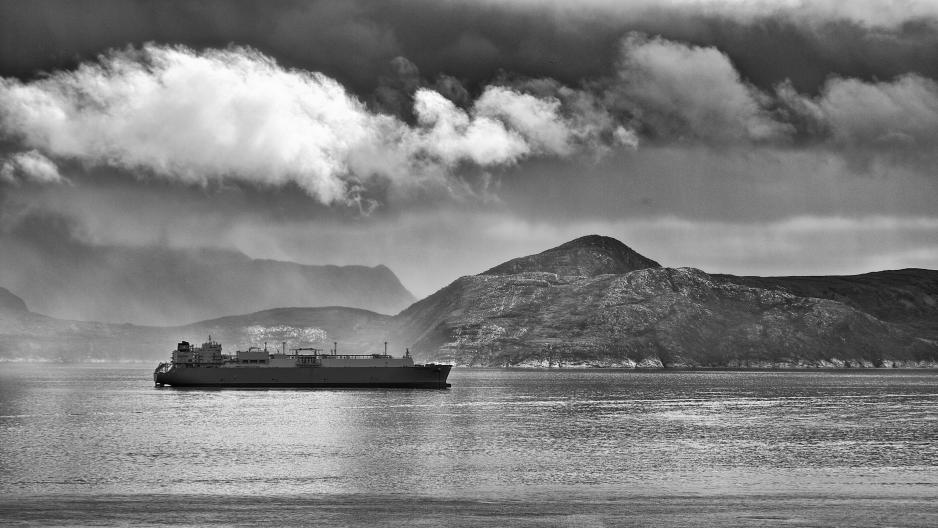
The Northern Sea Route (NSR), once envisioned as a bustling artery for international shipping between Europe and Asia, has recently transformed into a corridor heavily dominated by vessels facing sanctions. Recent data reveals that approximately one-third of all cargo traffic through this Arctic passage is made up of sanctioned vessels, a significant jump from previous years.
This “dark fleet” largely consists of oil tankers and cargo ships that often suffer from poor maintenance standards and inadequate insurance, with many lacking mandatory ice-class certifications necessary for safe operations in icy waters. Moreover, Russian authorities have curtailed the release of shipping data, blending into the shadows the real scale of activity and amplifying risks in this already precarious environment.
Growing Traffic of Sanctioned Vessels
Tracking these sanctioned vessels has exposed alarming trends. During the last year, around 100 such ships have been recorded transiting the NSR, a stark increase compared to just 13 in 2024. This sharp uptick highlights a shift in the makeup of Arctic traffic, underscoring the route’s evolution from a hopeful international passage toward a corridor dominated by these controversial actors.
Table 1: Sanctioned Vessels on the Northern Sea Route — Yearly Comparison
| Année | Number of Sanctioned Vessels | Percentage of Total Arctic Traffic |
|---|---|---|
| 2024 | 13 | Unknown (Low) |
| 2025 | 100 | ~33% |
Environmental and Operational Risks
The presence of aging, poorly maintained vessels infringing on Arctic safety norms raises the alarm on multiple fronts. The Arctic environment is notoriously fragile, characterized by extreme cold, unpredictable ice conditions, and sensitive ecosystems. A shipping accident here can have catastrophic environmental consequences, given the difficulties in mounting timely and effective rescue or containment operations.
The absence of proper insurance and ice-class certifications for these vessels compounds the threat, as it indicates potentially lax adherence to safety regulations and a higher likelihood of maritime incidents. Furthermore, the decision by Russian authorities to halt public reporting on vessel activity along the NSR only deepens the blackout around transportation transparency.
How These Developments Affect the Logistics Landscape
From a logistics standpoint, the implications are profound. The Arctic corridor’s increasing reliance on sanctioned, less reliable tonnage introduces unpredictability to freight schedules and cargo reliability. Shipping companies and cargo owners face amplified risks of delays, losses, or damage—especially when critical goods are in transit.
Logistical strategies centered on the NSR must now factor in the potential for restricted access, increased insurance premiums, and the need for rigorous due diligence when selecting shipping partners. The opacity surrounding vessel data complicates risk assessments and operational planning.
Challenges with Current Arctic Shipping Practices
- Lack of Ice-Class Certification: Many sanctioned tankers lack this essential feature, making them vulnerable to Arctic sea ice conditions.
- Insurance Gaps: Poorly insured vessels increase financial exposure across the entire supply chain.
- Restricted Data Transparency: Without clear data, logistics coordinators struggle to predict route availability and safety.
- Environmental Sensitivity: The delicate Arctic ecosystem is at a heightened risk from spills or accidents.
Visual Guide: Key Concerns Impacting Northern Sea Route Logistics
| Aspect | Issue | Impact de la logistique |
|---|---|---|
| Vessel Condition | Ageing, poor maintenance | Higher risk of mechanical failure or accident |
| Conformité réglementaire | Lack of ice-class and insurance | Possible route closures, increased shipment delays |
| Data Availability | Reduced transparency by Russian authorities | Impaired operational planning and risk management |
| Environmental Risk | Fragile Arctic ecosystem | Potential for major spill responses, increased scrutiny |
The Future of the Northern Sea Route and Logistics Adaptation
Despite these challenges, the NSR remains a crucial passage for freight movement between European and Asian markets, promising shorter transit times compared to traditional routes. However, the greater share of “shadow fleet” vessels under sanctions demands heightened vigilance from all logistics stakeholders.
Improving safety measures, advocating for better data transparency, and diversifying transport options—such as combining sea, rail, and air logistics—could help mitigate risks. Logistics planners need to stay agile, continuously assess vessel operators’ compliance status, and prepare contingency plans for route disruptions.
Faits marquants
- A third of ships on the Northern Sea Route are sanctioned vessels, many with questionable certifications.
- Russian authorities’ reduced data transparency increases operational uncertainty.
- The fragile Arctic environment is at heightened risk due to these questionable shipping practices.
- Logistics operators must navigate increased risks related to safety, insurance, and environmental compliance.
Despite all the data, no report or review can truly capture the experience of navigating this complex environment firsthand. The mix of operational challenges and regulatory uncertainties makes personal insight invaluable. Fortunately, platforms like GetTransport.com offer a wide range of reliable, affordable cargo transportation options worldwide, from moving bulky goods and vehicles to general freight shipments. This empowers customers to find trustworthy logistics solutions tailored to their needs without breaking the bank or facing unwelcome surprises. GetTransport.com’s transparency and convenience shine especially bright in such demanding conditions. Réservez votre transport de marchandises avec GetTransport.com and navigate the future of freight with confidence.
Looking Ahead: Logistics and the Arctic Shipping Route
While the dominance of sanctioned vessels on the Northern Sea Route might not immediately shift the global logistics balance, it signals the need for ongoing vigilance within Arctic shipping circles. The evolving scenario underscores unique challenges for cargo delivery reliability, insurance, and environmental responsibility. As GetTransport.com follows these developments closely, it remains committed to offering adaptable, cost-effective freight and moving solutions to complement the shifting landscape.
Commencez à planifier votre prochaine livraison et sécurisez votre cargaison avec GetTransport.com.
Résumé
The Northern Sea Route, vital as a shipping shortcut, is now heavily frequented by sanctioned vessels that often operate under less-than-ideal conditions, including poor maintenance and insufficient insurance. This shift increases risks for accidents, environmental harm, and operational unpredictability. Alongside limited transparency from authorities, these dynamics complicate logistics planning and risk management in a region known for its fragility. For freight and cargo operators aiming to navigate these choppy waters, leveraging robust, transparent, and economical services is a must.
Platforms like GetTransport.com precisely meet these demands, providing extensive, reliable transport solutions from local cargo moves to international freight forwarding. By combining affordability with broad service options, it simplifies moving bulky goods, shipments, vehicles, and parcels through complex routes. In an environment where every link in the logistics chain must hold firm, partnering with flexible providers offers peace of mind and smart efficiency.