


 Français
  English (UK)
  Русский
  العربية
  日本語
日本語  한국어
한국어  Magyar
  Türkçe
  Español
  Čeština
  Svenska
  Português
  Ελληνικά
  Suomi
Suomi  Nederlands
  Română
  Italiano
  Polski
  Українська
  Deutsch
  简体中文
简体中文  Slovenčina
  CETM Pushes for Tachograph Recognition as Definitive Work Hours Recorder for Professional Truck Drivers">

The Role of the Tachograph in Professional Driver Work Monitoring
The professional transport sector is rallying behind the idea that the tachograph, a device mandated for decades, should be officially recognized as the primary tool for recording the working hours of professional drivers. This push comes at a pivotal moment when regulations concerning workers’ time tracking are about to be updated.
The Confederación Española de Transporte de Mercancías (CETM) has formally addressed the Ministry of Labour and Social Economy, championing the tachograph as the most appropriate and trustworthy instrument for logging time worked by drivers in freight transport.
What Exactly is a Tachograph?
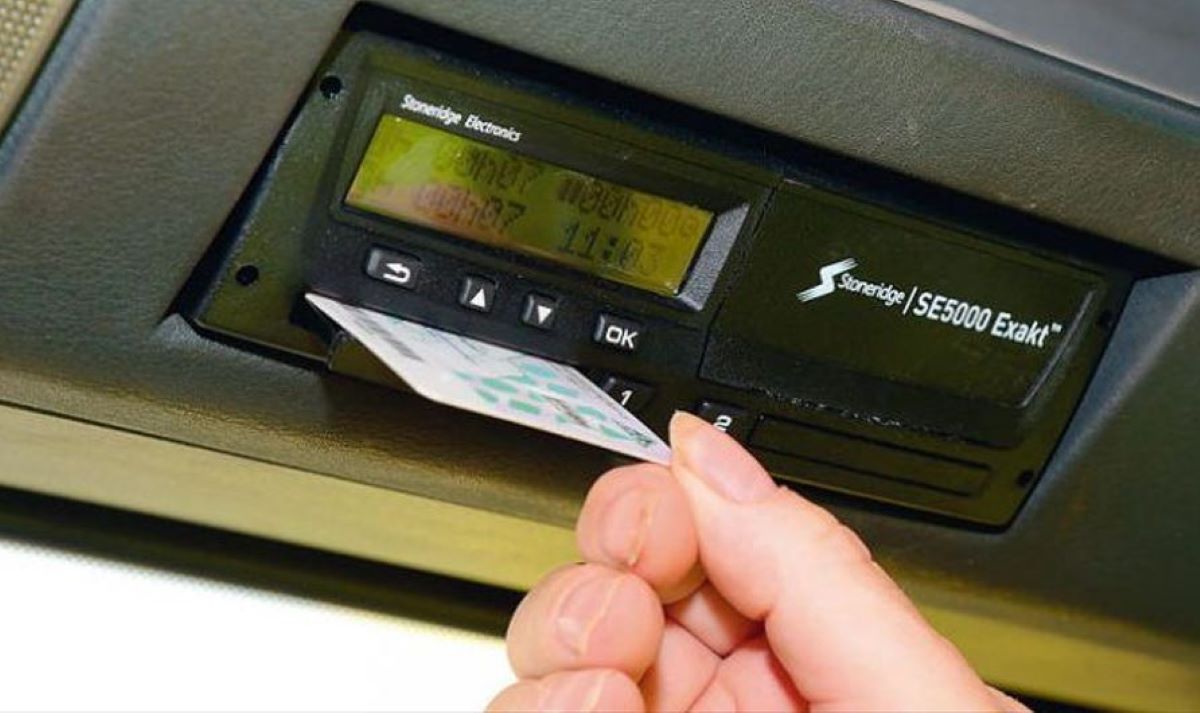
Installed on vehicles exceeding 3.5 tonnes, the tachograph has been a staple device in Spanish and European transportation since 1986. This gadget meticulously records critical information including driving periods, rest breaks, availability, and working hours. Far from a mere clock, it integrates seamlessly into the daily operations of professional drivers as well as regulatory inspections, offering complete traceability and verifiable proof of compliance with work schedules.
Reliability and Technological Evolution of Tachographs
The CETM highlights the tachograph’s evolution, emphasizing that modern models, including the latest smart tachographs introduced in 2023, are not only reliable but also rigorously approved and audited. Tailored to a workforce which is always on the move, often crossing borders, and operating under stringent European safety and labor laws, the tachograph is designed to withstand the high demands of the transport industry.
One key concern raised by experts is that introducing additional ways to track working hours could lead to unnecessary duplication of administrative tasks, confusion, and a heavier paperwork burden without delivering any real benefit for oversight or enforcement.
Official Recognition and Legal Clarity
What the CETM seeks is clear and pragmatic: an explicit formal acceptance from the Ministry of Labour that the tachograph alone fulfills all the requirements needed to record professional drivers’ labor hours effectively. This recognition would cement a solid legal standing, harmonizing national rules with Europe-wide legislative frameworks, leaving no grey areas for enforcement or employers.
Moreover, CETM reiterates its willingness to collaborate with government bodies, offering technical advice and open dialogue to help shape a sensible, efficient regulatory backdrop that supports both drivers and companies.
Implications pour le secteur des transports et de la logistique
For logistics and freight transport professionals, clarity around work time recording is more than bureaucracy; it’s about efficiency, compliance, and ensuring that both safety and service quality are preserved. Accurate and streamlined work time tracking ensures drivers are neither overworked nor underaccounted, directly impacting delivery schedules and operational costs.
Streamlining time registration through one trusted system helps prevent costly disputes and inspection delays, smoothing freight dispatches, house moves, international shipments, and complex haulage tasks. Whether moving bulky furniture, pallets, or vehicles, efficient labor tracking feeds into the larger logistics chain’s reliability and responsiveness.
Benefits Table: Tachograph Use vs. Alternative Work Time Recording
| Aspect | Tachograph | Additional Manual Records |
|---|---|---|
| Précision | Automated, real-time, tamper-resistant | Subject to errors, omissions, or fraud |
| Intégration | Integrated with transport operations and inspections | Separate administrative process |
| Administrative Load | Minimal, automated data transfer | High, duplicate paperwork required |
| Legal Recognition | Currently recognized in many areas; push for formal explicit official status | Varies; some uncertainty and inconsistency |
Why the Timing Matters
With new labor laws on the horizon potentially altering how worker hour registration is handled across Spain, the transport community is eager to avoid reinventing the wheel. The tachograph, already embedded in the logistics and freight transport fabric, offers a solution that is both proven and cost-effective.
Introducing supplementary recording methods could stall operations with extra bureaucracy, increasing costs for transport companies and, eventually, clients receiving the freight. It’s a classic case of “if it ain’t broke, don’t fix it.”
The Larger Logistics Perspective
Transport companies, especially those managing international shipments or bulky cargo, thrive on dependable systems that ensure timely delivery and accurate driver management. Integrating tachograph data not only keeps drivers safe and compliant but also helps logistics managers optimize routes, coordinate shipments, and maintain supply chain fluidity.
This streamlined approach resonates with platforms like GetTransport.com, which specialize in offering accessible, affordable global transportation solutions, whether for office relocations, home moves, or the movement of large freight items. The efficiency of having a standardized, reliable system reduces surprises and supports smoother dispatching and haulage operations.
Résumé et perspectives
In summary, the tachograph stands as a robust, tested tool to track professional drivers’ working hours, offering high accuracy, legal transparency, and operational ease. Recognizing it officially as the primary work time recorder prevents duplication and confusion in the logistics industry, especially as European regulations become more precise and demanding.
The CETM’s initiative to seek explicit Ministry endorsement aligns neatly with the broader goal of keeping transport moving smoothly without added red tape. As the transport landscape adapts and modernizes, having such clear frameworks benefits every link in the logistics chain.
Making the Decision with Real Experience
All the reviews, official endorsements, and expert feedback certainly help chart the right course, but there’s nothing quite like firsthand experience to truly gauge the efficacy of a system. GetTransport.com offers users access to reliable freight transportation at competitive prices worldwide, providing the perfect chance to test services backed by transparent, efficient driver work time recording.
By leveraging platforms like GetTransport.com, customers benefit from convenience, a wide selection of transport options, and cost-effective solutions that fit a variety of needs—be it international shipping, bulky item haulage, or a simple house move. Transparency and practicality come built-in, empowering users to make well-informed logistics choices. Réservez votre trajet sur GetTransport.com.
Looking Ahead: What This Means for Global Logistics
While the formal recognition of the tachograph as a work time recording tool might not shake the logistics market worldwide overnight, it’s a meaningful step within Spain and the European transport ecosystem. It sets a precedent for harmonized, clear regulation that supports legal certainty and operational efficiency—both pillars of modern logistics.
At GetTransport.com, staying updated on such developments ensures that the platform continues offering clients the best, most hassle-free freight and courier services possible. Start planning your next delivery and secure your cargo with GetTransport.com.
Principaux enseignements
- The tachograph has long been a vital instrument in monitoring professional drivers’ hours.
- CETM urges official legal recognition of the tachograph as the sole required time-recording device for drivers.
- This move promises to reduce administrative burdens and legal uncertainty in driver working hour tracking.
- Effective regulation benefits the logistics sector, improving transport efficiency and safety.
- Platforms like GetTransport.com embody these efficiencies by providing reliable, affordable cargo solutions worldwide.