


 Français
  English (UK)
  Русский
  العربية
  日本語
日本語  한국어
한국어  Magyar
  Türkçe
  Español
  Čeština
  Svenska
  Português
  Ελληνικά
  Suomi
Suomi  Nederlands
  Română
  Italiano
  Polski
  Українська
  Deutsch
  简体中文
简体中文  Slovenčina
 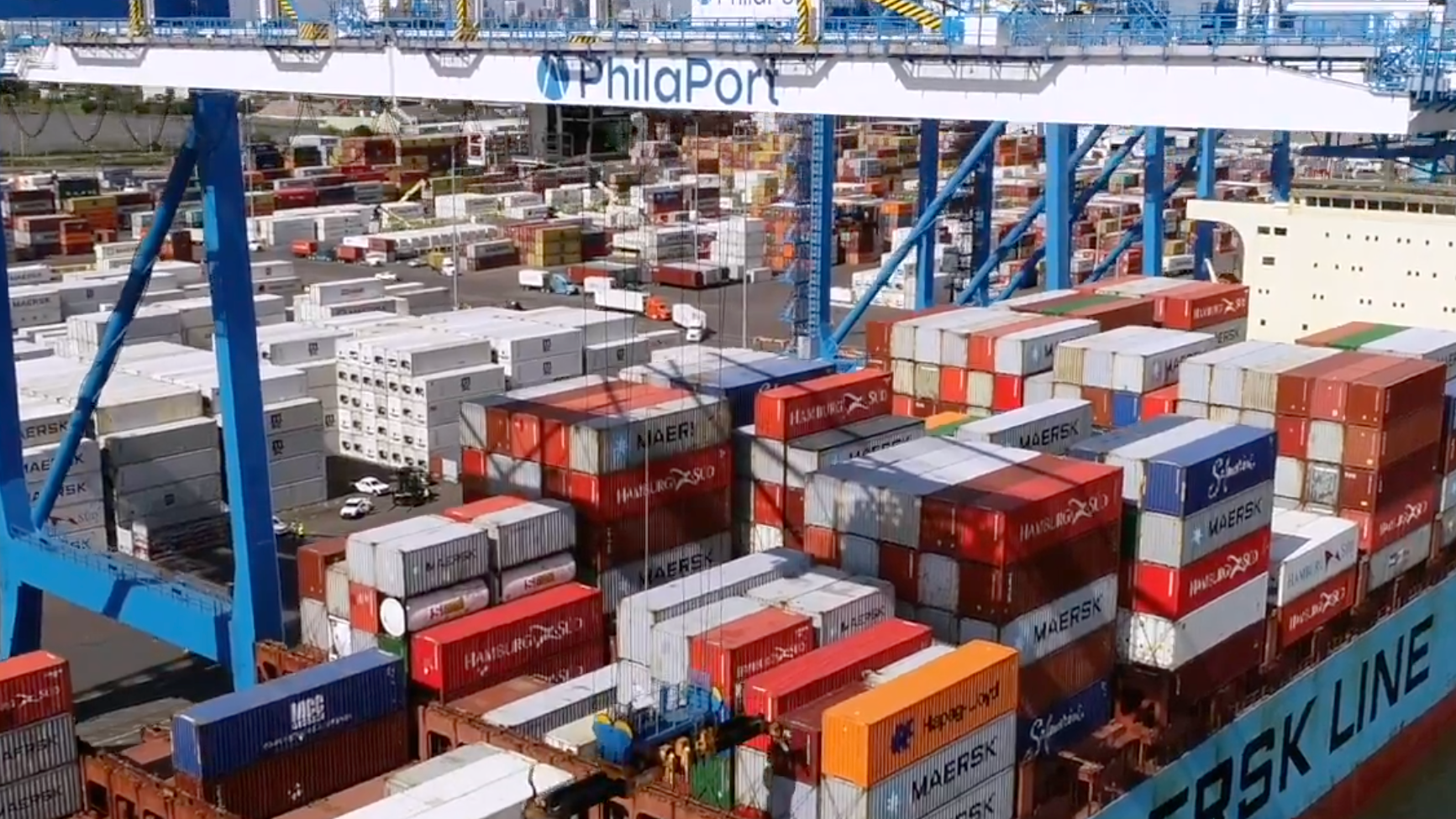 Maersk et Hapag-Lloyd modifient l'itinéraire de leurs services transatlantiques, remplaçant Baltimore par Philadelphie.">

Shift in Trans-Atlantic Shipping Routes
Two major ocean carriers, Maersk and Hapag-Lloyd, have made the strategic decision to remove Baltimore from their North Europe-North America trans-Atlantic service lines. Instead, Philadelphia will serve as the new port of call on Maersk’s TA3 rotation, marking a notable adjustment in the established shipping pattern.
New Route Details and Service Changes
Maersk’s TA3 route now follows a fresh rotation: Southampton, Rotterdam, Hamburg, Wilhelmshaven, Newark, Norfolk, Philadelphia, St. John, and back to Southampton. This revamped itinerary began operating with the January 4 sailing of the Maersk Fredericia from Southampton. Meanwhile, Hapag-Lloyd also confirmed omitting Baltimore from its North Europe–North America AL1 and Americas Northbound Service routes, aiming to improve schedule reliability.
Why is Baltimore Dropped?
Baltimore’s removal is greatly influenced by ongoing challenges following the collapse of the Francis Scott Key Bridge in 2024. The bridge’s restoration is dragging on longer and costing more than anticipated, disrupting smooth cargo flows. On top of that, navigating the Chesapeake Bay imposes significant delays—ships must cover about 150 miles through one of the world’s longest ship channels, consuming precious days compared to alternative gateways. This lengthy passage demands multiple pilot services, resulting in higher operational complexity and slower transit.
Impact on Baltimore and Regional Cargo Flows
Baltimore has traditionally been a heavyweight in Northeast automotive roll-on/roll-off (ro-ro) shipping, handling over half of its cargo as vehicle traffic. In 2024, the port moved around 750,000 cars and light trucks alongside 850,000 tons of farm and construction machinery, making it second only to Brunswick, Georgia, among U.S. gateways in these categories.
However, container throughput has suffered dramatically. After setting a record with approximately 1.26 million TEUs in 2023, pre-collapse disruption triggered a container volume plunge of roughly 41%, falling to an estimated 741,215 TEUs. Consequently, Baltimore’s role as a container hub in Northeast America has been shaken.
The Bigger Picture: Navigational and Infrastructure Factors
| Facteur | Détails | Effect on Shipping |
|---|---|---|
| Francis Scott Key Bridge Collapse | Bridge damaged in 2024; repair delayed and costly | Interrupts smooth cargo movement and rail connections |
| Chesapeake Bay Navigation | 150-mile long route with multiple pilot requirements | Extends transit times by several days compared to Norfolk or Philadelphia |
| Howard Street Tunnel | Recently cleared for doublestack train operations | Expected to increase container volumes post-construction |
Additional Route Enhancements by Maersk
Aside from swapping Philadelphia for Baltimore on TA3, Maersk has also introduced an inbound call at St. John, Canada, on its TA2 service. This expanded rotation now includes Antwerp, Southampton, Rotterdam, Hamburg, Saint John, Charleston, Savannah, and Norfolk before returning to Antwerp. The Kiel Express was the first vessel to sail this refreshed schedule starting December 29.
Relevance for the Logistics Sector
These route modifications underscore the dynamic nature of maritime freight transport and highlight just how critical infrastructure stability is for port efficiency and the broader global supply chain. Delays and reroutes caused by infrastructure disruptions inevitably ripple through freight schedules, loading plans, and consequently, supply chain reliability. For moving bulky containers, vehicles, and other heavy commodities, such changes demand quick adaptations by logistics managers and cargo forwarders.
Services like GetTransport.com shine in such a shifting landscape by providing versatile, affordable transportation solutions worldwide. Whether it’s relocating offices or homes, shipping vehicles, or transporting bulky cargo, platforms like these help coordinate smooth deliveries by connecting users with reliable carriers tailored to evolving routes and schedules.
Final Thoughts and Practical Takeaways
The shift away from Baltimore to Philadelphia reveals how infrastructure events—like the Francis Scott Key Bridge collapse—can reshape major shipping routes. While Baltimore’s prominence as a ro-ro and container hub takes a hit, Philadelphia gains new significance in trans-Atlantic North Europe-US trade lanes.
It’s worth noting that even trustworthy reviews and in-depth analyses can’t quite capture the nuance of firsthand experience. For anyone seeking dependable cargo transportation solutions, platforms such as GetTransport.com offer a comprehensive range of affordable options globally, empowering smart decisions without overspending or surprises.
Key highlights to consider:
- Baltimore’s container throughput significantly dropped due to infrastructure interruptions.
- Long Chesapeake Bay transit pushes ocean carriers to prioritize faster ramps like Philadelphia and Norfolk.
- Route adjustments reflect carriers’ focus on schedule recovery and customer service.
The convenience, transparency, and variety of logistics options on GetTransport.com make it an unbeatable choice for managing freight, shipments, bulky cargo, and international relocations effortlessly.
Réservez votre transport de marchandises avec GetTransport.com aujourd'hui !
Résumé
In summary, Maersk and Hapag-Lloyd’s decision to remove Baltimore from their trans-Atlantic routes reflects deeper challenges posed by infrastructure setbacks and navigational complexities in the Chesapeake Bay. Philadelphia emerges as an alternative that offers better schedule adherence and reduced transit time. For logistics players and shippers alike, these changes highlight the importance of agility and up-to-date transportation solutions.
By leveraging platforms like GetTransport.com, stakeholders can efficiently handle freight, shipments, and bulky goods across international and regional corridors. With the marketplace’s broad carrier network, competitive pricing, and transparent booking process, managing logistics becomes smoother and more predictable – critical factors in today’s fast-paced global shipping environment.