


 Français
  English (UK)
  Русский
  العربية
  日本語
日本語  한국어
한국어  Magyar
  Türkçe
  Español
  Čeština
  Svenska
  Português
  Ελληνικά
  Suomi
Suomi  Nederlands
  Română
  Italiano
  Polski
  Українська
  Deutsch
  简体中文
简体中文  Slovenčina
  How to Properly Load Perishable Food Items for Sea Transport to Ensure Safety and Freshness">

The Essentials of Transporting Perishable Food by Sea
Shipping perishable food items overseas is no walk in the park—it’s a whole different ballgame within logistics. From fruits and vegetables to frozen goods and meat products, these foods share one common trait: a limited shelf life. This means they have to be handled with kid gloves and kept under strict temperature-controlled conditions, often referred to as maintaining the chaîne du froid. Mastering this process is critical to making sure your cargo arrives fresh, safe, and ready for market.
Modes of Sea Transport for Food Products
When it comes to sea transport, perishable foods generally travel in two ways: cargaison en vrac ou containerized shipping. The method chosen depends largely on the type of food and its handling necessities.
- Bulk Cargo: Ideal for products like grains, drinking water, fruit juices, and vegetable oils, which are loaded into specially cleaned and dry ship holds.
- Container Transport: Preferred for frozen foods, palletized goods, and products that require consistent temperature control within reefer containers. Proper packing—like evenly loading containers and stacking pallets uniformly—is crucial for stability and maintaining temperature.
Why Proper Loading Matters
Loading isn’t just piling goods in a container; it’s a dance that requires precision. Whether it’s weighing the distribution for balance or making sure no gaps let warm air sneak in, taking these measures guards the cold chain integrity and prevents spoilage. This is especially important for containers with refrigeration units, as even minor missteps can mean a cold chain break and a ruined shipment. Basically, you want to avoid a situation where the cargo gets a little ‘hot under the collar’!
Risks to Consider During Sea Transport
Transporting food, particularly perishable goods, involves navigating a minefield of potential hazards. These risks fall into four main groups:
Physical Factors
Items like pressure from stacking, friction during handling, and heat generated during transport are all physical enemies to perishable goods. Moreover, the vessel’s movement itself—shocks, vibrations, and jolts on the high seas—can inflict damage if not accounted for.
Climatic Factors
Temperature and humidity fluctuations are no friends of perishables. Seasonal changes and climate can cause these to vary outside preset safe limits. Alongside humidity and heat, factors like exposure to oxygen, carbon dioxide, and light also play roles in how well the cargo holds up.
Biological Factors
Pests and fungi are stealthy saboteurs that can ruin shipments during loading or storage. The presence of insects, rodents, or mold can cause severe quality deterioration or contamination.
Chemical Factors
Your shipment’s health can also be impacted chemically: incompatible food types carried together might react adversely. This means thoughtful segregation is essential to avoid spoiling due to chemical interactions.
Packaging and Handling Considerations
Packaging serves as the first line of defense. Choosing the right materials—often ones that support temperature control and prevent contamination—is vital. For instance, frost-resistant wraps for frozen goods or breathable cartons for fresh produce can make a big difference. This packaging, paired with careful loading, helps extend the product’s shelf life through transit.
Temperature Control: The Cold Chain Continues
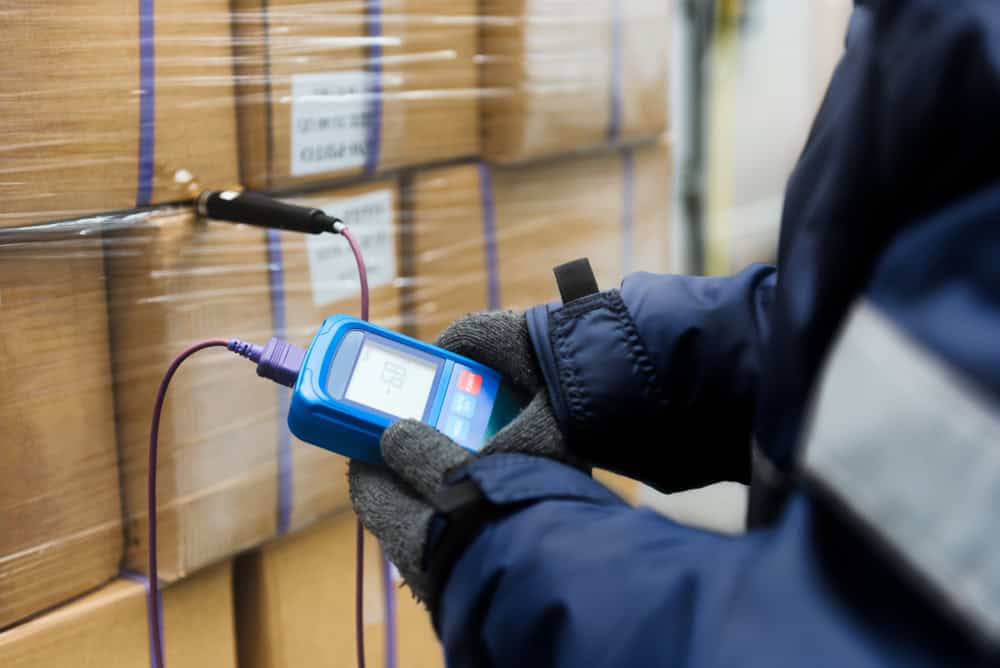
Keeping the cold chain intact during sea freight requires consistent monitoring and management. Refrigerated containers (reefers) equipped with advanced cooling systems are the standard, yet they need to be operated correctly. For example, loading pallets to equal height helps air circulate properly, avoiding hotspots.
Table: Overview of Key Requirements for Sea Transport of Perishable Foods
| Aspect | Exigence | Exemple |
|---|---|---|
| Type de transport | Bulk for fluids/grains, Containerized for frozen, palletized goods | Vegetable oil in bulk, frozen shrimp in reefer container |
| Temperature | Stable, specific to product needs | -18°C for frozen meat |
| Emballage | Protects against physical and biological damage; temperature supportive | Insulated cartons, breathable crates |
| Chargement | Even, no gaps, secure stacking | Proper pallet stacking inside a reefer |
| Gestion des risques | Monitoring of physical, climatic, biological, chemical hazards | Regular quality checks, pest control measures |
Insights on Logistics for Perishable Sea Freight
The entire process of shipping perishables is a fine balancing act between preserving freshness and managing costs. Losses can be dramatic if risks aren’t properly mitigated. For logistics providers and shippers, this means embracing advanced handling techniques, strict compliance with cold chain requirements, and constantly evolving safety standards.
GetTransport.com understands these hurdles and offers a global platform where you can find budget-friendly, tailored solutions for transporting perishable cargo, including bulky items like furniture or vehicles—yes, it’s versatile! Whether you’re relocating office supplies or arranging international freight delivery, efficiency and careful management form the heart of what stands between a smooth shipment and a cold chain catastrophe.
Why Personal Experience Trumps Everything
Reading up on guidelines and reviews, no matter how detailed, seldom matches the lessons learned from hands-on experience. That’s why platforms like GetTransport.com offer you the chance to arrange your own shipments worldwide at competitive prices, giving you firsthand insights into handling logistics like a pro—without blowing your budget or risking delays.
The transparency and convenience offered allow shippers to compare options, plan routes, and ensure their perishable goods enjoy a smooth passage to destination. So why wait? Obtenir les meilleures offres and keep your cargo chilled, fresh, and on time.
Conclusion: Keeping Perishables Safe at Sea Calls for Expertise and Reliable Logistics
Le transport de denrées périssables par voie maritime implique une interaction complexe de facteurs physiques, climatiques, biologiques et chimiques qui nécessitent une attention particulière à chaque étape – du conditionnement et du chargement au contrôle et à la surveillance de la température. Le bon choix entre le transport de marchandises en vrac et les conteneurs dépend de la nature du produit, avec un accent particulier sur le maintien d’une chaîne du froid ininterrompue afin de prévenir le gaspillage.
Dans le contexte logistique plus large, la maîtrise de ces processus complexes garantit une réduction des déchets, des clients satisfaits et des chaînes d'approvisionnement plus fluides. Des plateformes telles que GetTransport.com donnent aux expéditeurs la possibilité de bénéficier d'options de fret abordables, fiables et mondiales, adaptées à une variété de marchandises, des produits frais aux articles volumineux, contribuant ainsi à rationaliser les expéditions et à atténuer les risques.
Que ce soit pour déplacer une seule palette de fruits de mer surgelés ou pour coordonner un déménagement à grande échelle impliquant des produits périssables, l'intégration de ces bonnes pratiques avec une planification logistique intelligente fait toute la différence. Faites confiance à des solutions logistiques transparentes, pratiques et professionnelles pour maintenir les produits périssables frais et assurer le bon fonctionnement de votre entreprise.