


 Français
  English (UK)
  Русский
  العربية
  日本語
日本語  한국어
한국어  Magyar
  Türkçe
  Español
  Čeština
  Svenska
  Português
  Ελληνικά
  Suomi
Suomi  Nederlands
  Română
  Italiano
  Polski
  Українська
  Deutsch
  简体中文
简体中文  Slovenčina
 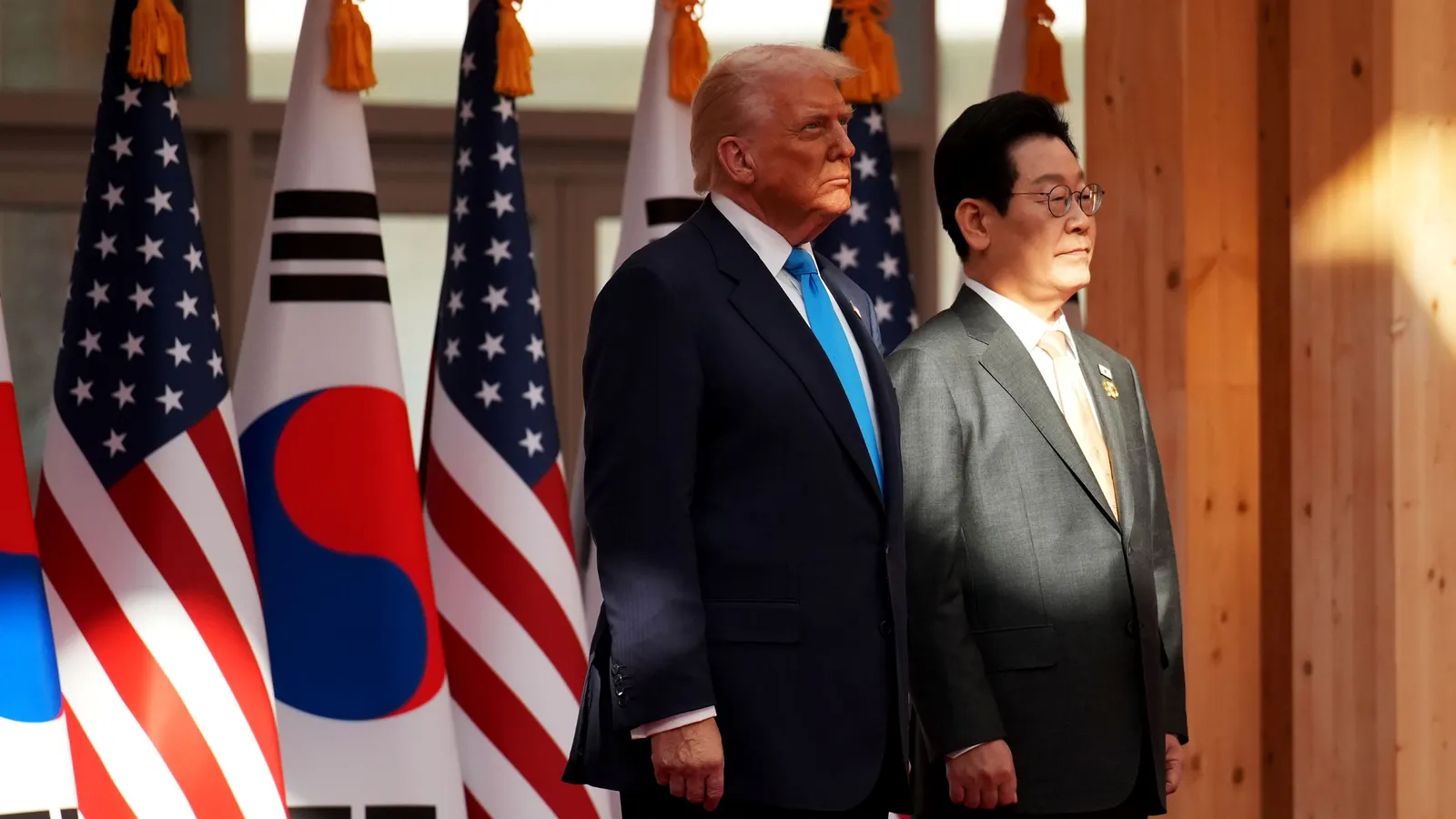 Nouvel accord commercial US-Corée du Sud qui fixe une limite tarifaire de 151 000 milliards de won sur les importations sud-coréennes, y compris les véhicules et les pièces détachées automobiles.">

Understanding the Latest US-South Korea Trade Agreement
The United States and South Korea have officially formalized the details of a trade pact agreed upon earlier this year, which sets a 15% tariff cap on imports from South Korea, especially focusing on cars, auto parts, and other goods affected by Section 232 levies. This move aims to balance trade duties while easing some of the restrictions previously in place, providing clearer predictability for businesses and logistics alike.
Key Tariff Provisions
At the heart of the agreement is the US’s commitment to limit tariffs on South Korean imports to a flat 15%. This cap applies across the board, including products that had faced additional levies under Section 232, such as automobiles, auto components, timber, lumber, and related wood products. Previously, these sectors had faced variable tariffs which complicated shipment costs and customs planning.
By freezing tariffs at 15%, importers from South Korea gain a stable framework to plan their logistics and freight operations with reduced risk of sudden cost spikes. This benefits freight forwarders, haulers, and distributors by promoting smoother, more predictable cargaison flows and reducing surprises in involuntary shipping costs.
Reciprocal Steps: South Korea’s Easing of Import Restrictions
In exchange, South Korea has agreed to ease restrictions on US car imports. Previously, a strict cap limited imports to 50,000 vehicles that met US safety standards but bypassed further inspection upon entry. This quota has now been lifted, opening new pathways for automotive shipments and distribution chains from the US to South Korea. More straightforward import processes allow for enhanced freight handling efficiency at ports and customs, reducing delays in the distribution of vehicles and related bulky shipments.
Additionally, South Korea will take measures to address non-tariff barriers impacting food and agricultural products, which are pivotal for trade diversification and smooth la logistique between these trading partners.
Looking Ahead: Potential Tariffs on Pharmaceuticals and Semiconductors
The agreement also outlines provisional terms for possible future tariffs on South Korean pharmaceuticals and semiconductors. The US is currently investigating these sectors under Section 232, which assesses national security risks associated with imports.
According to the deal, if tariffs are applied to pharmaceuticals, they will be capped at 15%. For semiconductors, any levies would follow the terms agreed with other countries whose semiconductor trade volumes with the US are comparable to South Korea’s.
Furthermore, the agreement signals plans for removal of tariffs on certain generic pharmaceuticals, ingredients, and non-domestic natural resources, aligning with existing executive orders to support fair trade and supply chain stability.
Strategic Investments on the Horizon
Beyond tariff concerns, the pact includes an impressive commitment by South Korea to invest $350 billion in the US market. Of this, $150 billion is designated for the US shipbuilding industry, signaling a potential boom for freight shipping capacity and associated transport sectors that support maritime logistics.
The remaining $200 billion will be funneled into strategic sectors, although the specifics remain under wraps. These investments will likely influence the broader logistics landscape by enhancing infrastructure, manufacturing capacities, and supply chain robustness in both countries.
Trade Agreement Impact on Logistics and Freight
This trade pact’s implications stretch far beyond just tariff figures—it impacts the entire spectrum of forwarding, shipping, parcel delivery, and container transport. For instance, consistent tariffs mean more predictable freight costs and smoother distribution schedules for international shipments. The easing of automotive import caps promotes better vehicle transport flow, benefitting movers, car carriers, and logistics companies specializing in bulky goods.
In a world where supply chains jigsaw to accommodate changing tariffs and import rules, this deal helps reduce the wobble for shipment planners and couriers alike, ensuring that goods move without the gridlock of unexpected costs.
| Aspect | Détails |
|---|---|
| Tariff on South Korean goods in US | 15% flat cap including cars, auto parts, wood products |
| South Korea’s car import restrictions | Removal of 50,000-unit limit for US vehicles meeting safety standards |
| Pharmaceutical & Semiconductor tariffs | Pharma capped at 15%, semiconductors aligned with similar trade partners |
| South Korean investments in US | $350 billion total: $150 billion shipbuilding, $200 billion other strategic sectors |
Why This Matters for Businesses and Logistics
For companies involved in global freight and shipping, this kind of agreement is like striking up a steady rhythm in an otherwise unpredictable dance. When tariff rates are capped and import rules clarified, shipping companies, freight forwarders, and distributors can better forecast costs and timelines. It’s easier to organize bulk shipments, plan container loads, and streamline customs clearance—a major ace up the sleeve for cross-border trade.
Moreover, investments in shipbuilding potentially herald more shipping vessels, which benefits ocean freight capacity and scheduling reliability. For anyone handling bulky, palletized, or vehicle cargo, these shifts bring the promise of smoother, more affordable international transport options.
Personal Experience vs. Reviews: The Real Deal
While third-party reviews and feedback provide useful insight, nothing compares to first-hand experience—especially in logistics, where timing and cost can make or break a shipment. Platforms like GetTransport.com simplify this process by offering access to a wide array of cargo transportation options worldwide at competitive prices, from office and home moves to moving large items like vehicles and bulky goods. This level of transparency and convenience empowers businesses and individuals to make well-informed choices without surprises.
With GetTransport.com, you tap into a global network built for versatility and affordability, making it a breeze to coordinate reliable shipments without the hassle or inflated costs. Book your ride and enjoy hassle-free freight solutions today at GetTransport.com.
Anticipations futures : ce que cela signifie pour la logistique mondiale
Bien que cet accord spécifique concerne principalement le commerce bilatéral entre les États-Unis et la Corée du Sud, ses effets de trainage touchent l'écosystème logistique mondial en établissant un précédent pour des droits de douane gérables et des relations commerciales soutenues par l'investissement. Il encourage une manutention de fret plus prévisible et plus efficace, ainsi qu'une planification de la chaîne d'approvisionnement, ce qui profite au mouvement de marchandises au-delà de ces deux pays.
À la fin de la journée, des droits de douane prévisibles et des contrôles d'importation allégés sont musicaux pour les oreilles des planificateurs logistiques jonglant avec des calendriers de fret complexes. L'accord suit le rythme des réalités commerciales mondiales en constante évolution, ce que GetTransport.com suit de près pour offrir les solutions d'expédition les plus récentes et les plus abordables adaptées aux besoins internationaux.
Commencez à planifier votre prochaine livraison et sécurisez votre cargaison avec GetTransport.com.
Résumé
L'accord commercial finalisé entre les États-Unis et la Corée du Sud plafonne les tarifs à 15% dans les principales catégories d'importation, y compris les voitures et les pièces détachées, tandis que la Corée du Sud supprime les limites sur les importations de véhicules américains et s'attaque aux obstacles non tarifaires. Le pacte évoque également de futures règles tarifaires pour les produits pharmaceutiques et les semi-conducteurs et apporte d'importants investissements sud-coréens dans la construction navale américaine et les secteurs stratégiques. Ces développements renforcent la prévisibilité et la stabilité, essentielles aux opérations de fret, d'expédition, de transit et de logistique à l'échelle mondiale.
Pour les transitaires, les entreprises de fret et les manutentionnaires de marchandises, la clarté de l'accord concernant les tarifs douaniers et les quotas d'importation réduit l'incertitude, facilitant un transport et une distribution internationaux plus fluides. GetTransport.com s'aligne parfaitement sur ces besoins en offrant des services de transport de marchandises fiables, abordables et polyvalents dans le monde entier, couvrant tout, des déménagements de bureaux et du transport de véhicules aux expéditions de marchandises volumineuses, garantissant aux clients de rester à l'avant-garde d'un environnement logistique mondial en évolution rapide.