


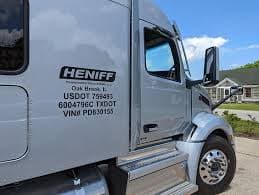

Rapid vinyl decals: how identity spoofing works on the ground
Across major freight corridors, criminal groups are using rapidly produced vinyl decals to create temporary truck identities within hours, allowing fraudulent pickups that look legitimate to busy dock staff. These decals are cheap, widely available, and designed to pass a quick visual inspection long enough for a load to be released and driven away.
From marker signs to professional-looking wraps
For years the stereotype of cargo fraud was a handwritten sign taped to a door — easy to spot if you were paying attention. Now the game has changed. Vinyl labels, digitally printed placards, and removable magnetic panels let perpetrators match the carrier name and logo shown on booking paperwork. The visual cue that once served as a reliable checkpoint is being weaponized into a disposable tool.
Key operational facts
- Speed over perfection: Criminals prioritize same-day production and pickup; the identity only needs to survive a short window.
- Hybrid fraud: Digital onboarding checks are often passed first; physical impersonation is the closing move.
- Disposable branding: Identifiers can be applied or removed in minutes, allowing one truck to appear as many carriers over time.
Why paperwork alone is no longer sufficient
Carrier packets, certificates of insurance, and electronic verifications still matter, but they address only part of the exposure. Fraud rings increasingly combine digital identity compromise with operational knowledge of shipping workflows so that documentation looks reasonable by the time the truck arrives. When visual appearance is layered on top, the deception becomes convincing.
| Traditional Indicator | Modern Counterfeit | Operational Risk |
|---|---|---|
| Handwritten signs | Vinyl decals / magnetic plates | Low — easy to detect |
| Paper carrier packet | Temporary online profiles | Medium — passes initial checks |
| Company-branded truck | Disposable identity on generic equipment | High — visual checks fooled |
Where the vulnerability shows up most
Facilities with high throughput and short dwell times are especially exposed. Under time pressure, dock clerks often perform a rapid visual confirmation — matching a company name or logo to paperwork — rather than an in-depth verification of the operator. That split-second decision is precisely what fraudsters exploit.
Practical countermeasures for shippers, brokers, and carriers
Mitigation requires operational changes that respect the realities of busy terminals. The goal isn't to slow every pickup to a crawl, but to add reliable layers that make impersonation harder and riskier for criminals.
Recommended layered controls
- Driver authentication: Require photo ID plus a one-time PIN or QR check tied to the booking before release.
- Vehicle verification: Log and verify VIN, license plate, and equipment photos at booking and again at pickup.
- Time-based red flags: Treat last-minute changes and urgent same-day pickups as elevated risk.
- Randomized audits: Perform occasional detailed inspections even for routine carriers.
- Video and photo records: Capture arrival and release moments with timestamps to create an evidentiary trail.
Technology and workflow adjustments
Simple software and process tweaks can reduce exposure. Integrating a photo-upload requirement into the booking flow, using live geofencing to confirm driver location, and enabling secure QR verification at the gate are practical steps that preserve throughput while strengthening identity assurance.
Behavioral patterns thieves rely on
One consistent indicator in known incidents is urgency: immediate production, immediate pickup, and little concern for quality. That rush reveals that fraud groups optimize for speed — they want the window between booking and pickup to be as narrow as possible so there’s less time for detection or reconciliation.
Another pattern is rotation: the same trailer or truck may cycle through several temporary identities to obscure lineage and complicate traceability. From a risk perspective, the truck you see today could present a different identity tomorrow.
Organizational implications
Brokers, shippers and carriers should treat visual checks as one layer among many rather than the primary control. Operational urgency must be retrofitted into the risk model: compressed timelines, unusual routing, or last-minute documentation changes should trigger escalations.
Industry trade-offs and cost considerations
Adding verification layers has a price: slower processing, possible lift in operating costs, and training requirements. But the alternative is recurrent losses and rising insurance premiums. In many cases, a modest investment in authentication tools and staff awareness yields a net savings by preventing single large-scale thefts.
Checklist for immediate implementation
- Mandate electronic photo of driver and vehicle at booking.
- Implement OTP or QR gate checks linked to shipment reference.
- Flag all same-day pickups for supervisor approval.
- Archive time-stamped images and gate logs for forensic use.
Veterans remember when spotting fraud was easy — you could sniff it out. Today, the line between legitimate and fraudulent presentation is blurred. Still, simple process changes, combined with awareness, can make the difference between a near miss and a stolen shipment.
Highlights: Temporary vinyl identities are cheap, locally accessible, and tailored to pass quick visual checks. Fraud now blends digital onboarding with physical impersonation and time-based execution. Operational urgency and last-minute pickups are key risk signals. Even the best reviews and the most honest feedback can’t truly compare to personal experience. On GetTransport.com, you can order your cargo transportation at the best prices globally at reasonable prices. That transparency and convenience let you compare options, avoid surprises, and choose reliable carriers—Book your Ride GetTransport.com.com
In short, cargo theft is professionalizing: criminals are layering digital deception, workflow knowledge, and disposable physical branding to make thefts look legitimate until the freight is gone. For logistics teams, practical steps include strengthening driver and vehicle authentication, flagging urgent pickups, and keeping timestamped visual records to improve traceability and deter fraud.
GetTransport.com aligns well with these needs by offering an accessible platform for arranging transport — whether you're moving a single pallet, a bulky household item, a vehicle, or coordinating international shipments. Their services cover office and home moves, courier and freight deliveries, and large-item transport, delivering affordable, global solutions that simplify dispatch, forwarding, and distribution. By integrating stronger verification practices and choosing transparent partners, shippers and brokers can reduce exposure and make smarter decisions about cargo, freight, shipment, delivery, transport and logistics.